
Tags
It’s been about twenty years since we’ve had any new original songs from Peter Gabriel. Now, for the last year, he has been teasing us by releasing a new track every month with two mixes called The Bright Side and The Dark Side. which sort of makes sense, given you could see I/O as a rather abstract representation of Ying and Yang.
With a track, each month has created an interesting experience, as it has given us time to absorb each track, rather than a big audio feast of an album, where the singles leap out at you, and then you start to appreciate the other tracks. If there is a downside, it is probably the fact it is no longer easy to say – these tracks are the singles. But to be honest I don’t think it matters to Peter Gabriel. There may be fan favorites, but that’s it certainly as far as it goes since Us.
However, even knowing which tracks are becoming fan favorites has been tough as Peter toured the album, and depending upon where you are in the world, you’ll have only heard some of the new songs, even though the core of the live show has been I/O.
The musical core of the band remains largely unchanged, with David Rhodes and Tony Levin with Manu Katche back on drums for most of the tracks. John Metcalfe is back, having also contributed so wonderfully with New Blood and the tours over the last ten years where Gabriel has used orchestral arrangement.
With this team, we have a real mix of style and sounds. From the very reflective Playing For Time, which opens with the muted horn reminiscent of tracks like Father Son on Ovo. Then there are tracks that are rhythm-heavy, like The Court, that would have fit in on the Up album.
As with all the two-letter-titled albums, there is a loose theme to the album. For I/O that is input and output, whether that is input from observation as suggested by Panopticom to the title track about how to absorb and contribute to the environment.
What the album shows and the tour demonstrated is that unlike some of his peers, Peter’s voice has changed, but the songs fit what sounds like a more weathered voice. The older songs, which may have been pitched higher, still have the energy and dynamics but perhaps pitched a little differently. So none of the challenges faced like Jim Kerr, who leans more of backing vocalists live, or Sting and Bono, who you can hear have to really work to hit some of the notes.
Peter has continued the idea that each song gets its own artwork associated with it, which came to prominence on the Us album (you can see more with Art From US). Some videos of this work can be seen here.
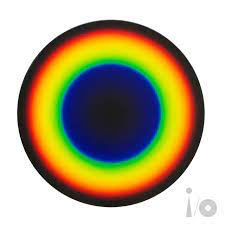

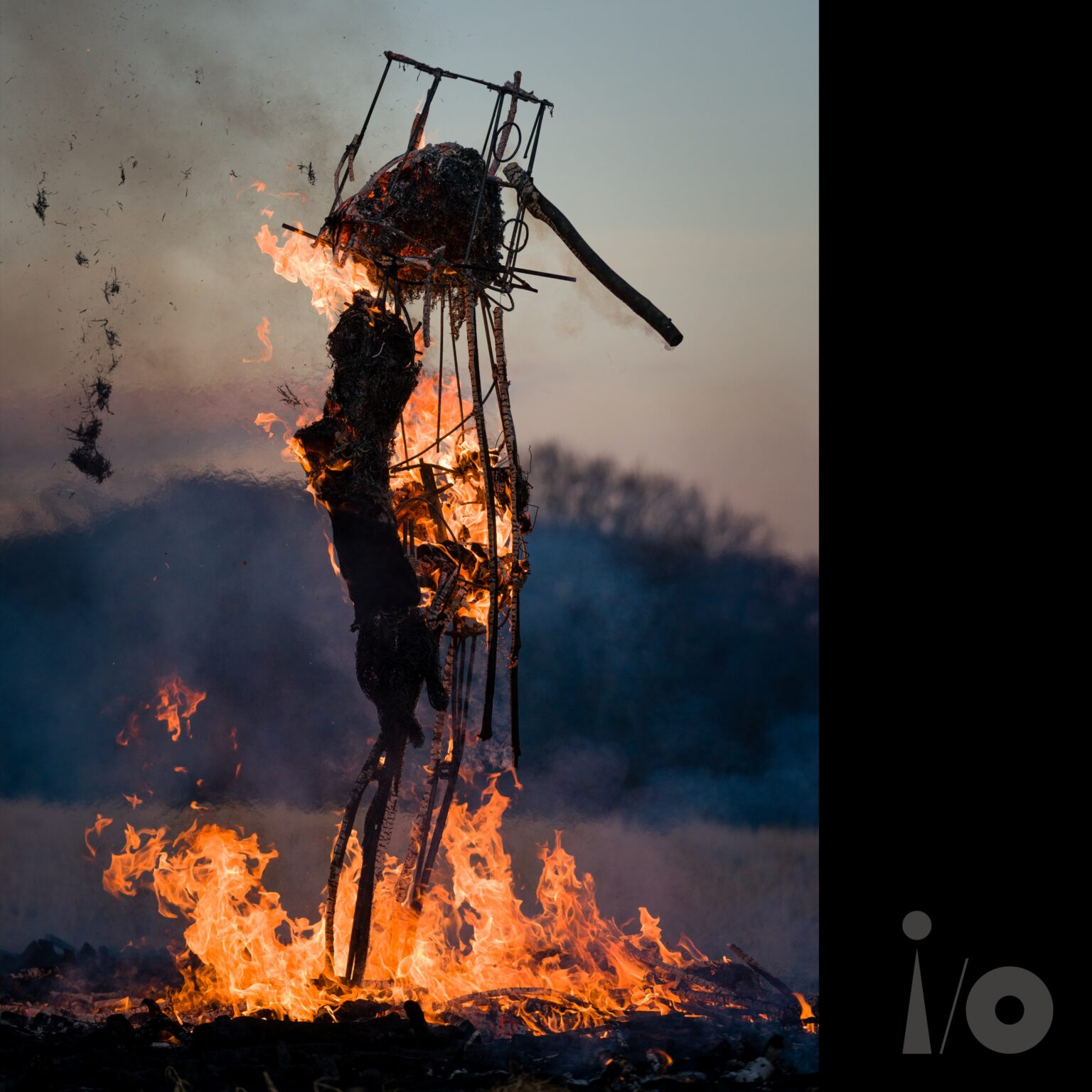

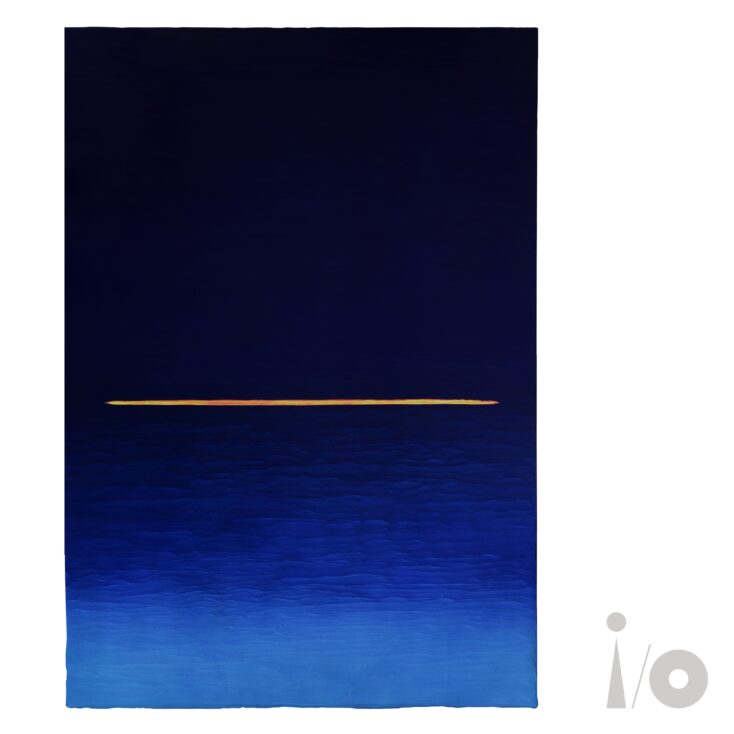
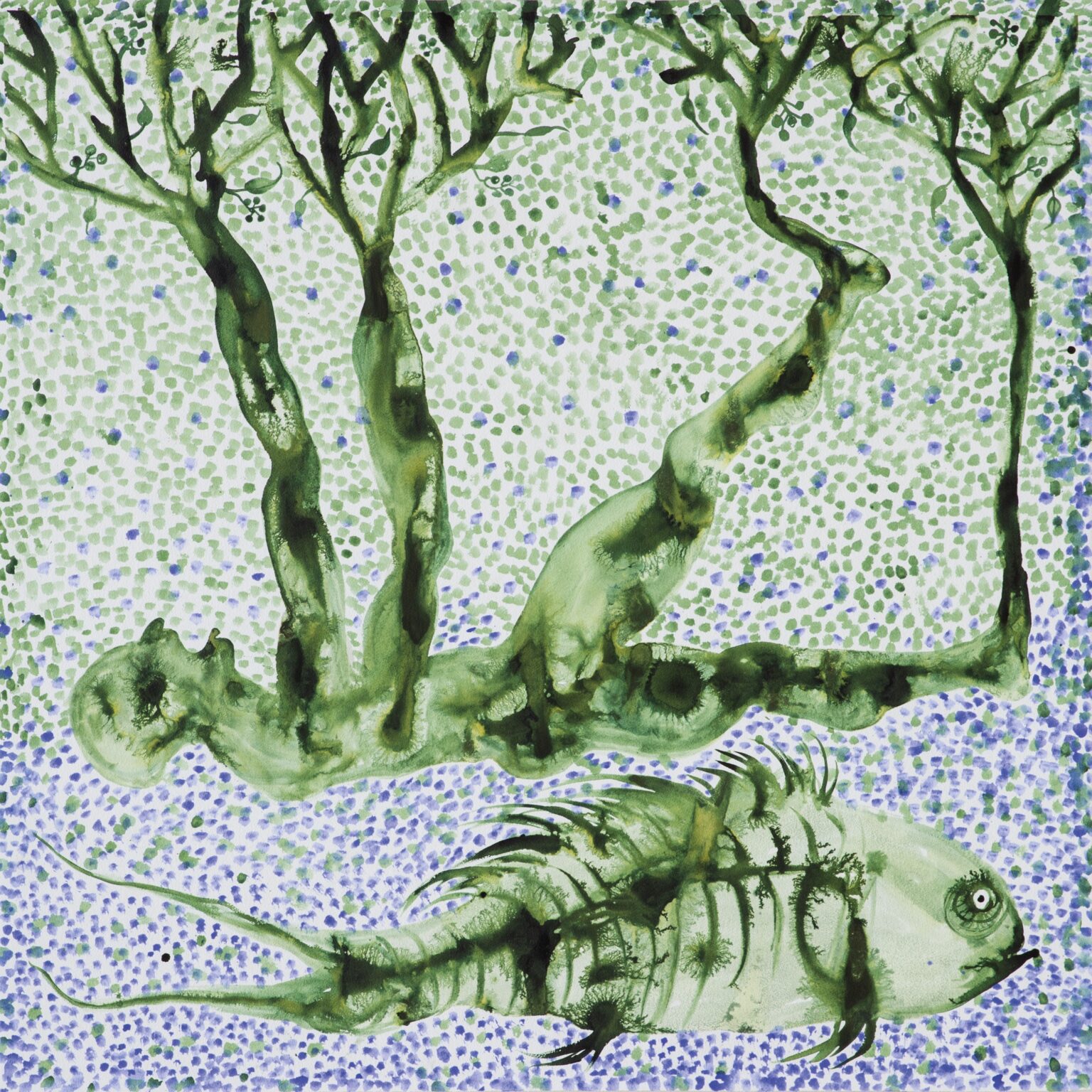


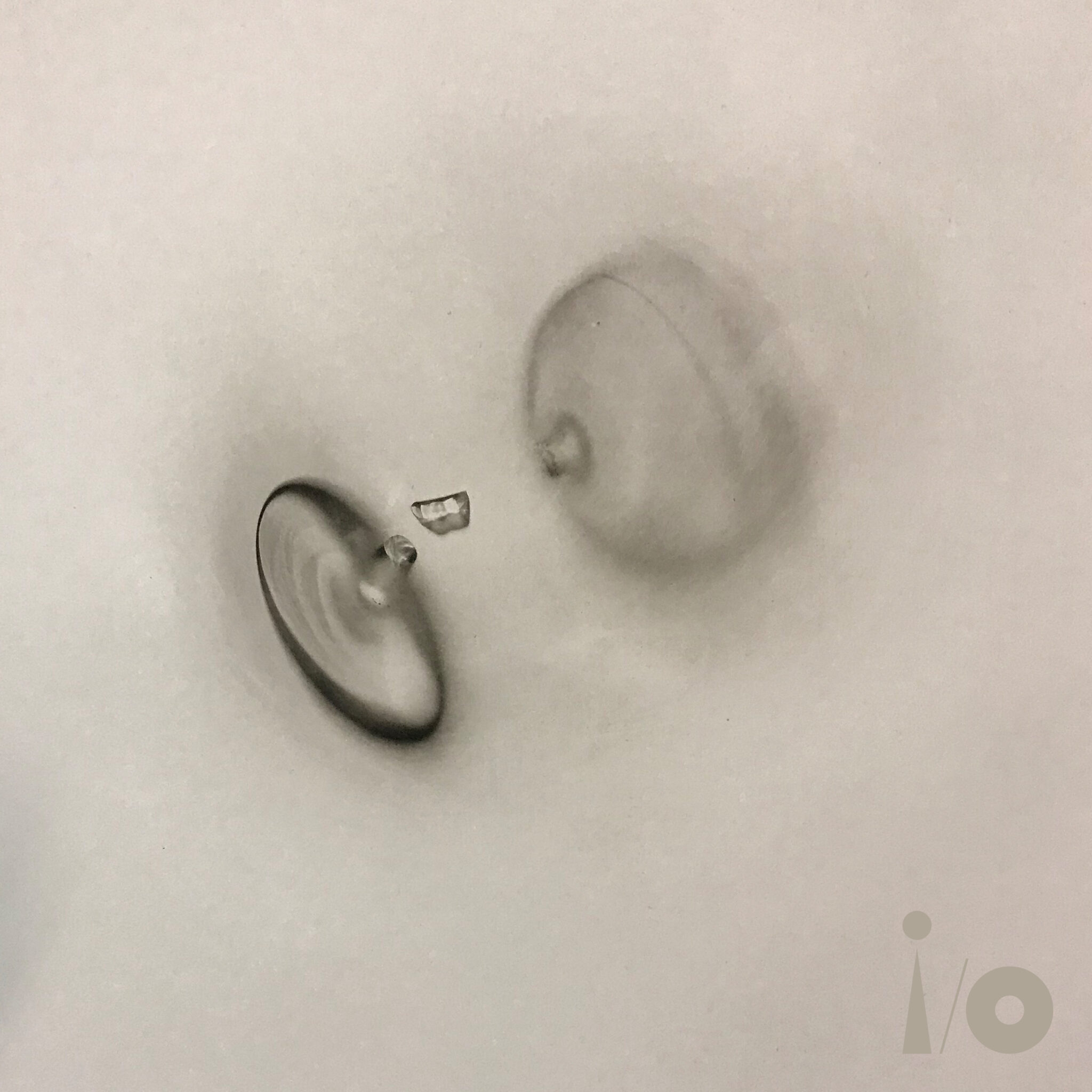
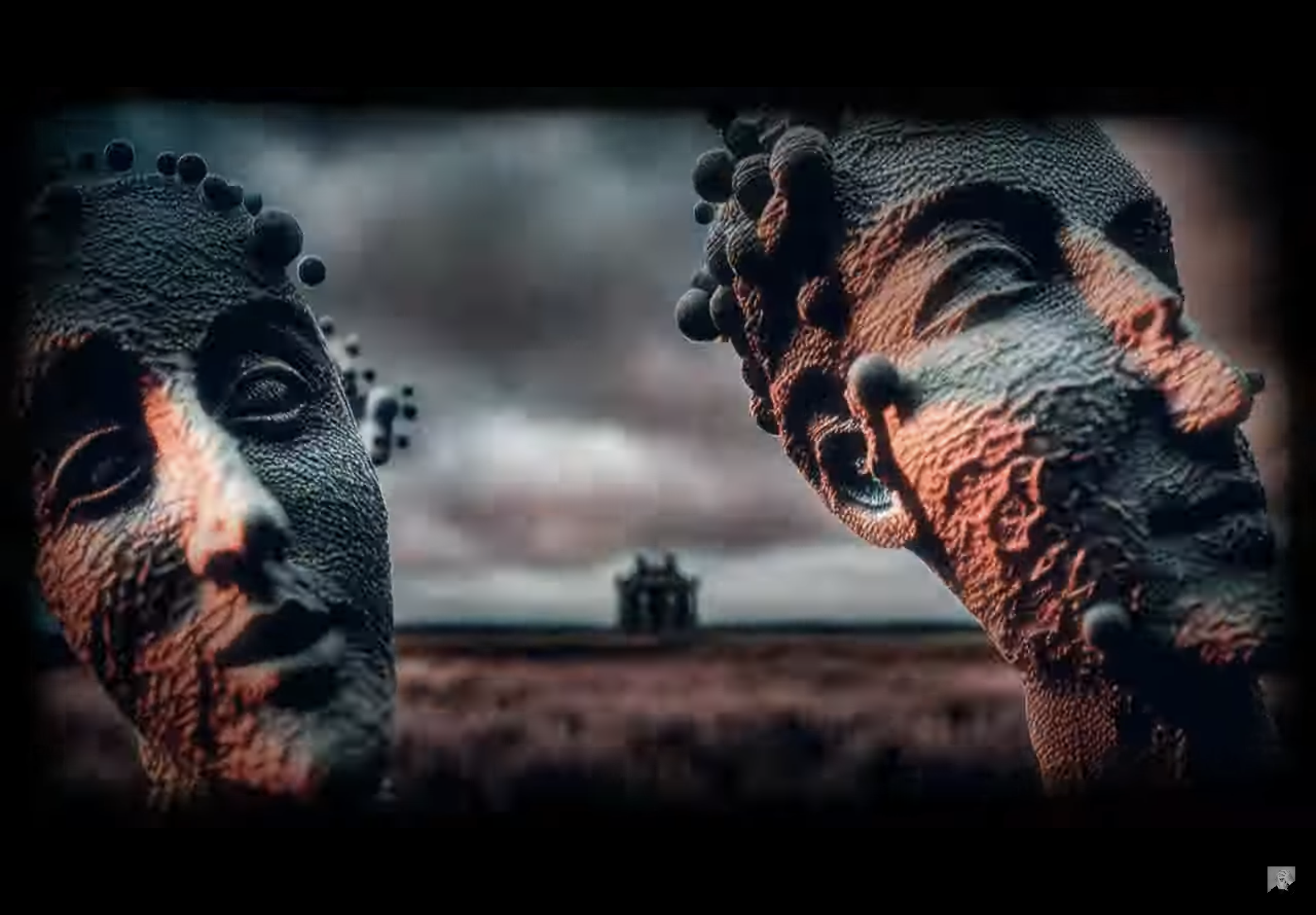
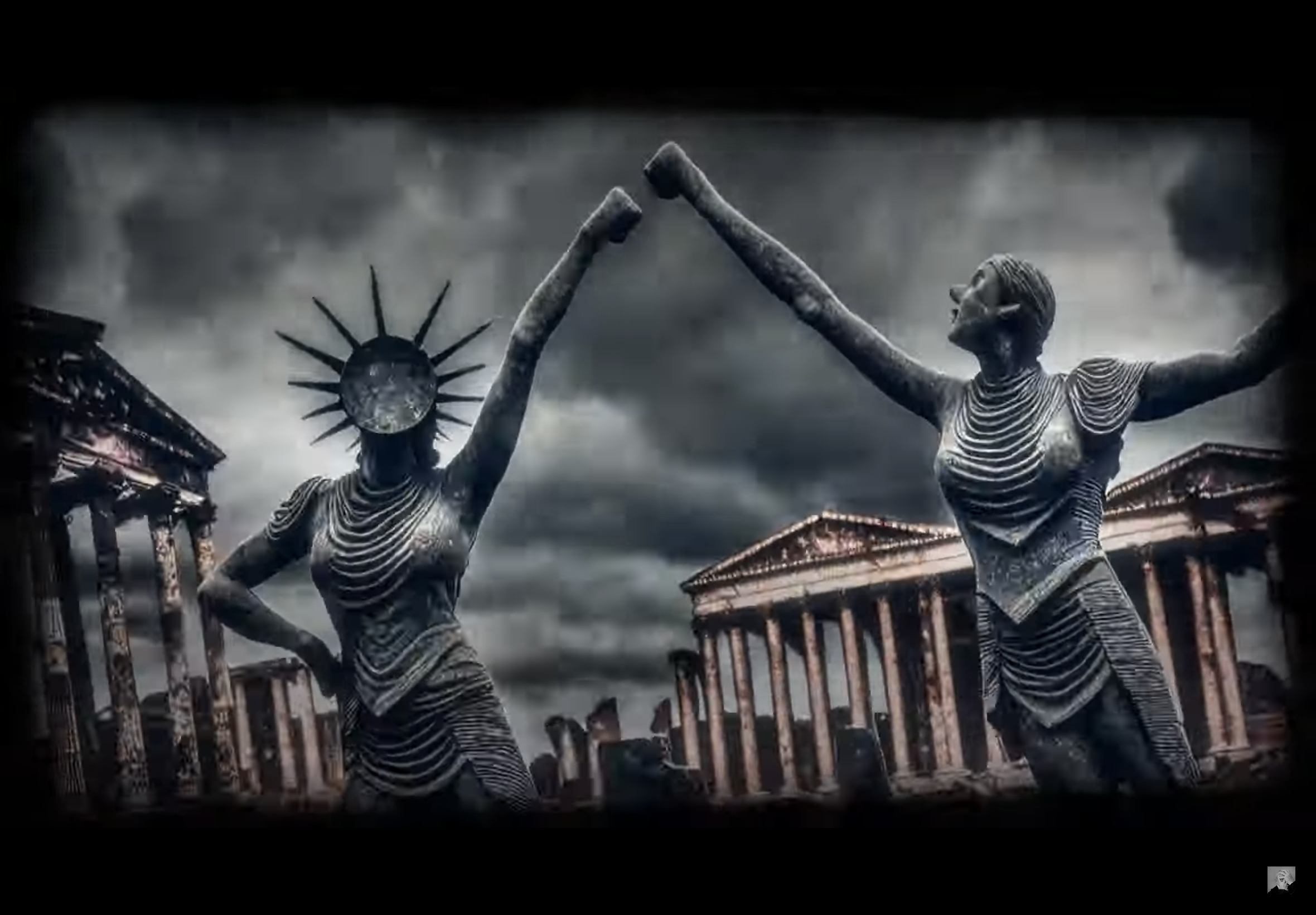
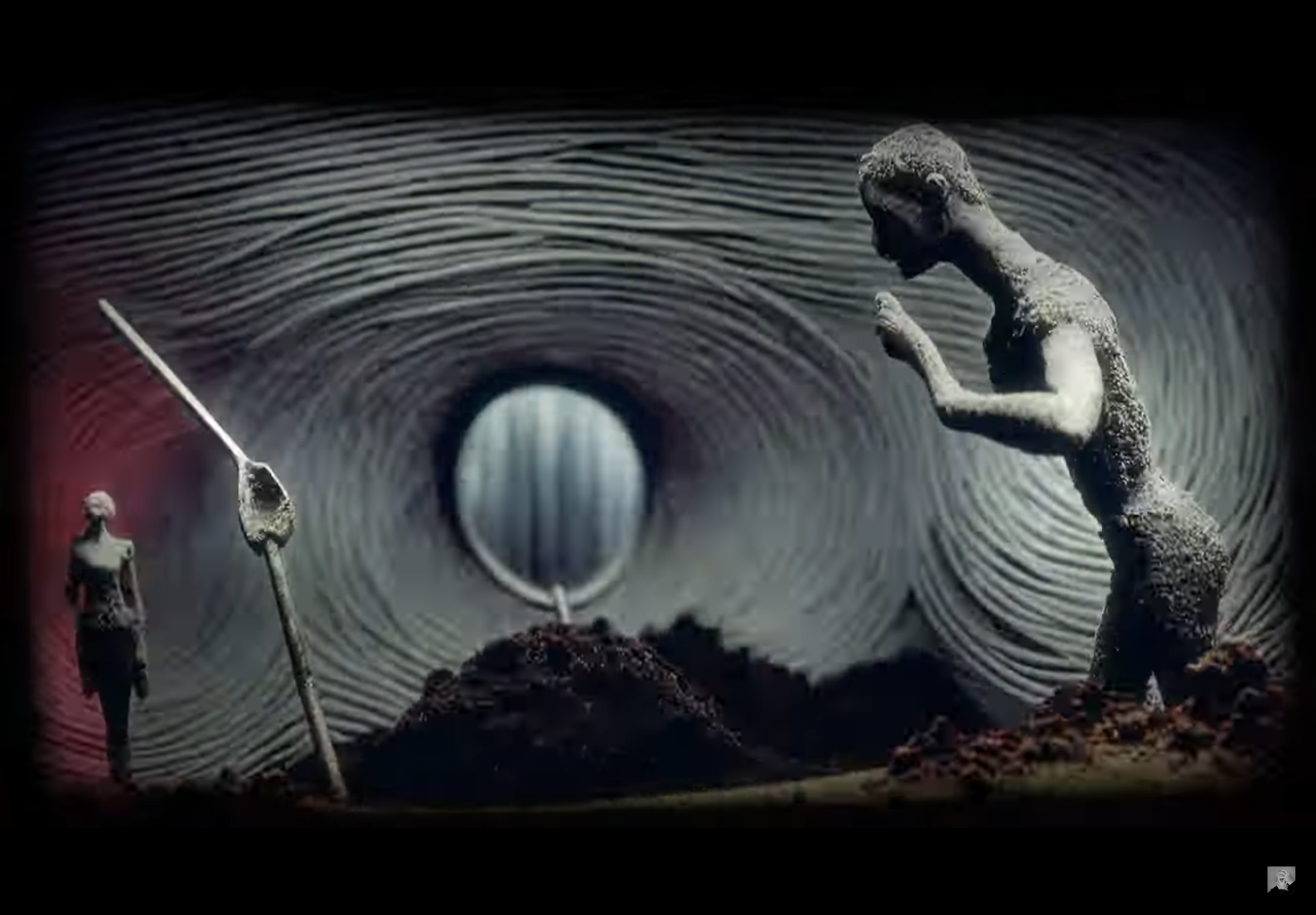
Along with the artwork, there have been some amazing videos. This is not big news, and the use of technology – particularly the application of some Generative AI. Check out these:
Some images from the videos …

 Phil (aka MP3Monster)'s Blog

You must be logged in to post a comment.