
Tags
album, cd, collecting, Music, records, rock, vinyl, vinyl-records
This may come across as maudlin or possibly depressing, but as the popular financial advisor Martin Lewis says, the grim reaper gets us all, and leaving your partner and family in the dark about how to pick up and manage the finances, etc., is pretty hard. But any half-committed music collector will want their collection treated with the consideration that personal effects like jewellery would have.
When I thought about this, initially I thought it just needed to be a document alongside my will, it occurred to me that the guidance would be specific to me, I’d largely apply it to many. Which is why this became a blog post.
My son is starting to make his way in the world of music and might find the courage to take on the collection. Failing that, let friends and family have a rummage before disposal is started.
My better half is not a die-hard music collector; she enjoys music, but it is more a transient pleasure. When in record stores and record fairs, it really seems like a couple of things, so the temptation to sell a collection wholesale will be there. There are people out there who will buy up entire collections or simply let a house clearing company take it away – you will get as the expression goes ‘only get pennies n the pound’ for the value. I don’t begrudge these people that act, after all, a living needs to be made, and the fun of crate digging comes from these people selling on, and sometimes they don’t recognize the value of the music they have acquired. If you want to really make someone turn in their grave, well then, the collection goes to the skip, but think of the environmental harm you’re inflicting.
Discogs is your friend
Discogs is a website that tracks the details of releases to great detail, distinguishing the releases down to specific pressing form a particular record plant. As Discogs pays for itself by also operating as an online market place, It tracks the highest and lowest prices people have paid for a release – this is the first clue as to the true value of any item in the collection. That said, rare items, which don’t change hands very often will have prices that might not be representative.
If the collection isn’t on Discogs, it might be worth adding. The process is easy enough with any device that has a camera and a browser. You start by simply scanning the barcode (best to use an app integrated with Discogs). Most of the time, the app will find one ore matching results. You might get more than 1 as the barcode can sometimes represent multiple different pressings (typically because a standard printed sleeve may be used, but the vinyl may be from different plants or issuing cycles). When this happens, you’ll need to choose the correct version. This can best be addressed by looking at any information included that relates to run out groove details on vinyl, or its equivalent for CDs. The Discogs guides will help you better understand this.
My Discog possible errors
For my collection, there are a few details worth keeping mind, firstly when I first cataloged the collection with Discogs we already had a lot, so when there lots of versions I selected the one, that had the ‘headline details’ that matched – sleeve type, colour, release date. But, during this phase there is a chance I choose the wrong one, so it’s worth checking before selling. Why check? Well, like books, first pressings usually fetch more value. In some cases certain pressing plants have been noted to produce higher quality pressings.
Everything released since the late 80s onwards in my collection will be likely be first issues/pressings. This can be verified since the addition date will be within days of the release date.
Grading
All media when sold, is sold with a condition score from mint, near mint down, and this is applied to both vinyl, CD etc. and a separate assessment for the sleeve. Here, Discogs can help as the scoring system I well described in their guide. For my personal collection, very nearly everything will score highly; there are a couple of exceptions where quality was compromised as an acceptance of lower quality when I’ve sourced through crate digging (virtual or real), which is fairly small.
So, how can I claim this, well …
- Media stored properly, never left out when not being played. vinyl is never stacked (a cause of warping) or even leaning.
- We’ve stored vinyl with antistatic sleeves, very nearly exclusively using Nagaoka Discfile 102s. These are considered by many as the Rolls-Royce of anti-static sleeves.
- Media has been well stored – record cases, replaced with custom flight cases, and now professional-grade outer sleeves in an IKEA Kallax setup (considered good for vinyl as it can handle the weight).
- With the advent of the Digipak (folding card sleeves) for CDs we’ve protected them with sleeves so they don’t scuff etc.
- Vinyl was never played to death. I used to copy everything to cassette for freedom and casual listening. CDs never got played in cars (a classic source of scratching and tarnishing) – they were copied to CDR or minidisc and later hard disks, to copy onto USB sticks for portability.
My music collection has been cared for in part as I’ve had to work to pay for nearly everything, from paper rounds to Saturday jobs and so on.
Understanding Valuation
Valuation isn’t just driven purely by the quality of the media or rarity (which can be from deliberately limiting numbers produced, to production errors).
The value of any album or single doesn’t often make sense, this because some artists seem to attract collectors. Depeche Mode for example is a mainstream artist that has this kind of community. But others, maybe pretty obscure but do well, these are often what can be described as an artist’s artist. In other words an artist that has been admired or influential for other artists, as a result you get a ‘cognoscenti’ culture.
There are also factors such as the record label involved, an original Chess records release will be highly prized, because of the import of the label.
Trying to identify what influences value without getting into the head of the collector community isn’t easy. But I’ve tried to distill some easy to spot influencers. These are certainly true for my collection.
The bottomline is the closer to the best possible price for any artefact, the more you’re going to need to understand that collector community. If you’re honoring wishes, of not letting a collection go for rock bottom prices, then we’d recommend checking prices on several web sites such as Discogs, EBay and others.
Of course if you’re dealing with a large collection, you need to filter down what is run of the mill vs potentially valuable. The following are general quick clues:
- Singles (they rarely get repressed, have tracks that don’t show up on other releases).
- Numbering on the sleeve, the smaller the batch the greater the possible value
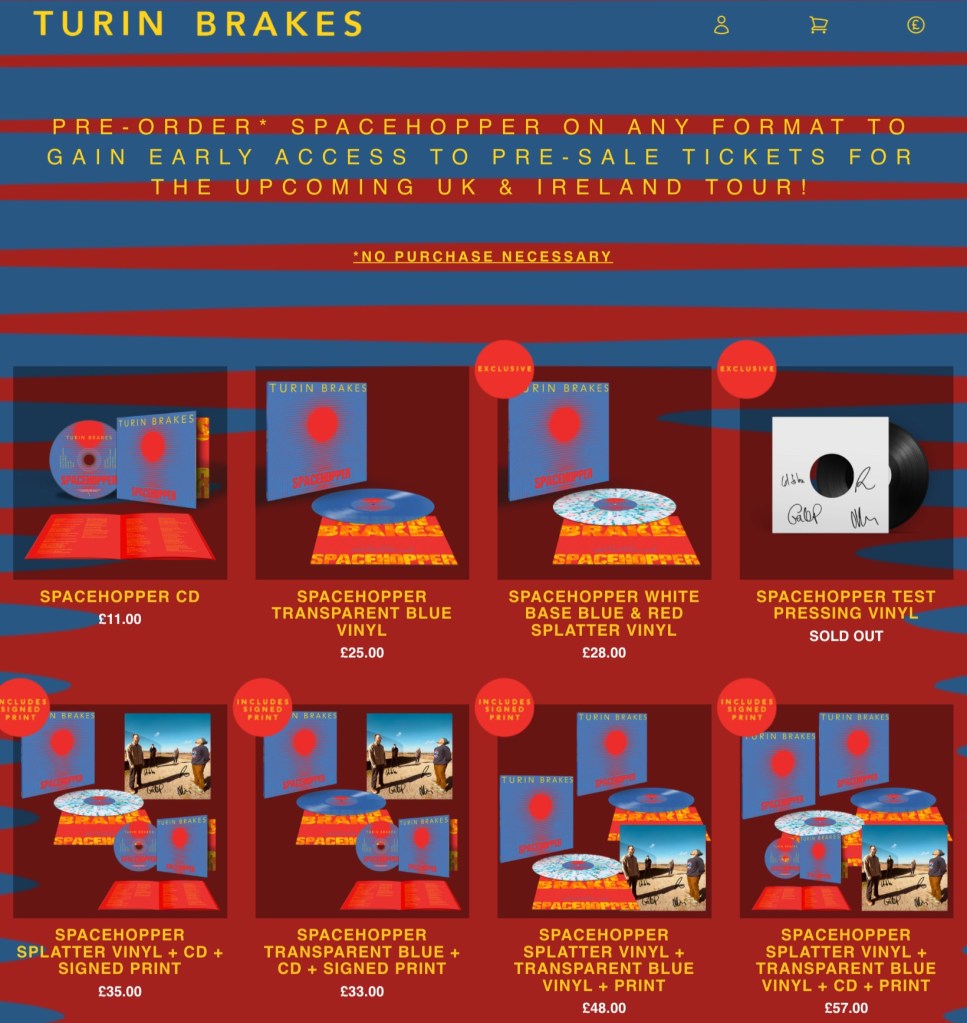
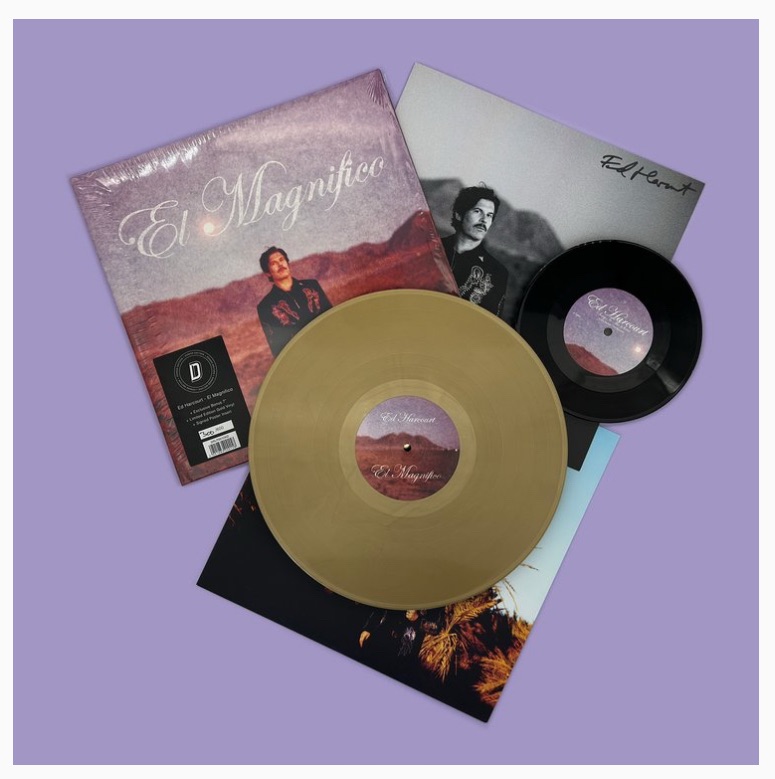
- Signed by the artist
- Die cut, lenticular covers
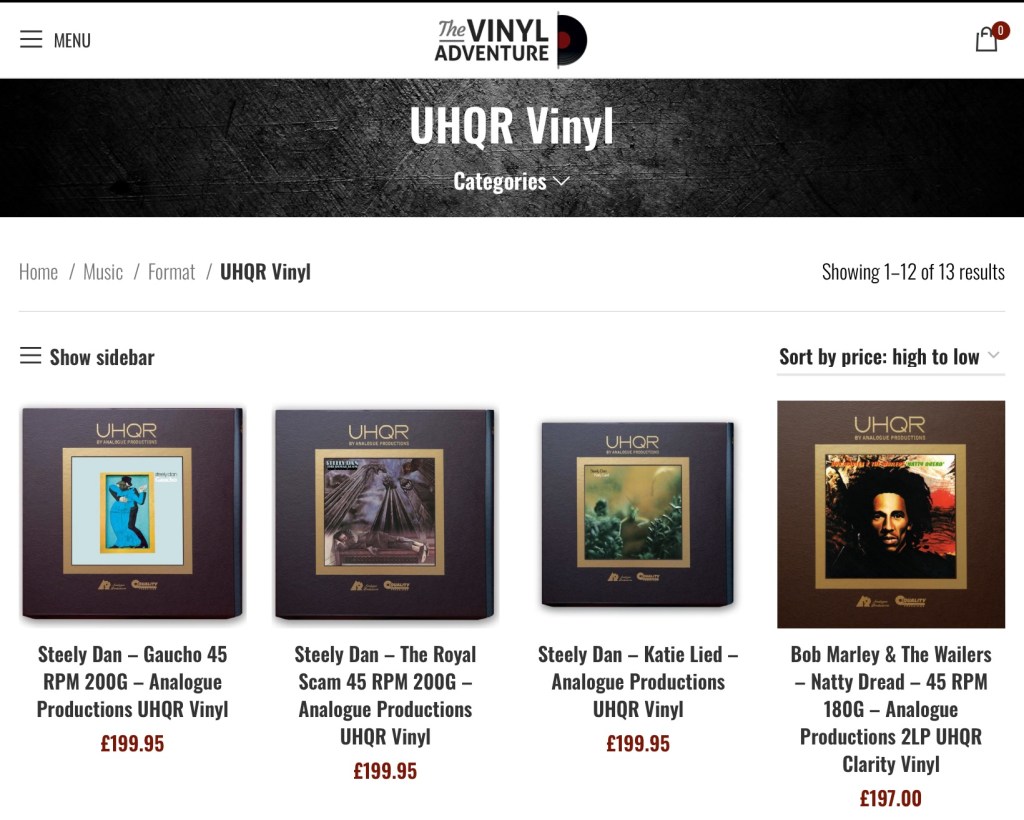
- Box sets often have extra content not available elsewhere and are produced in smaller numbers.
- Anything produced before the mid 1950s
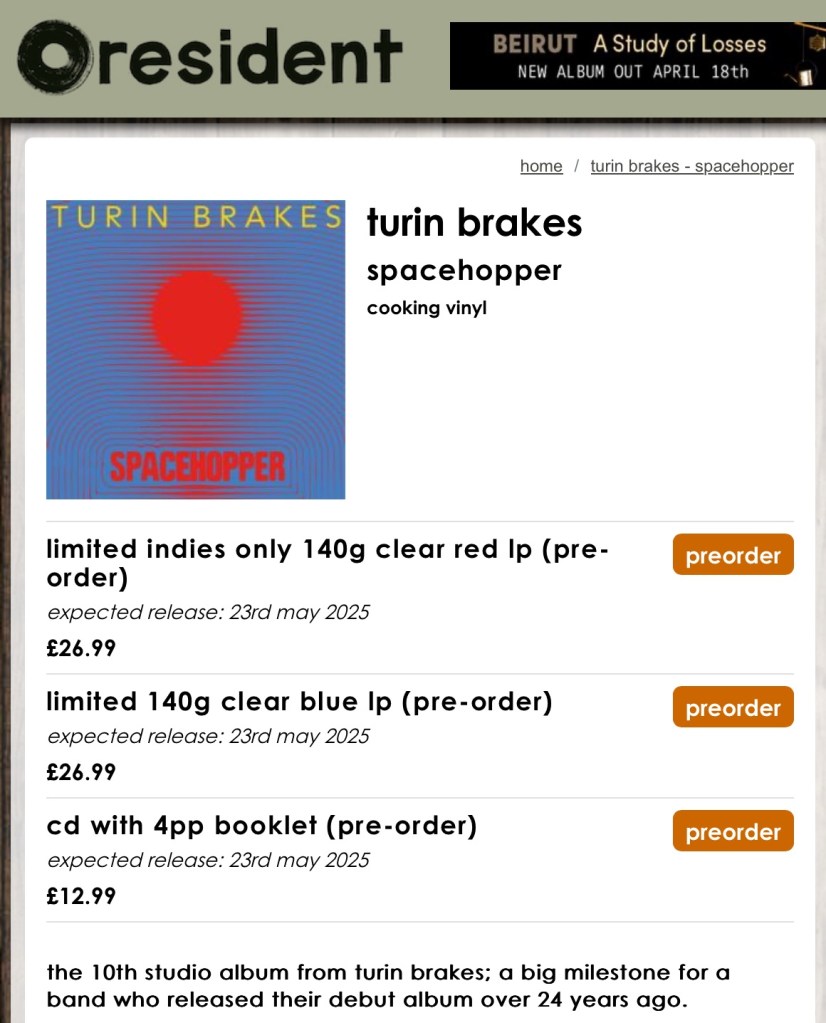
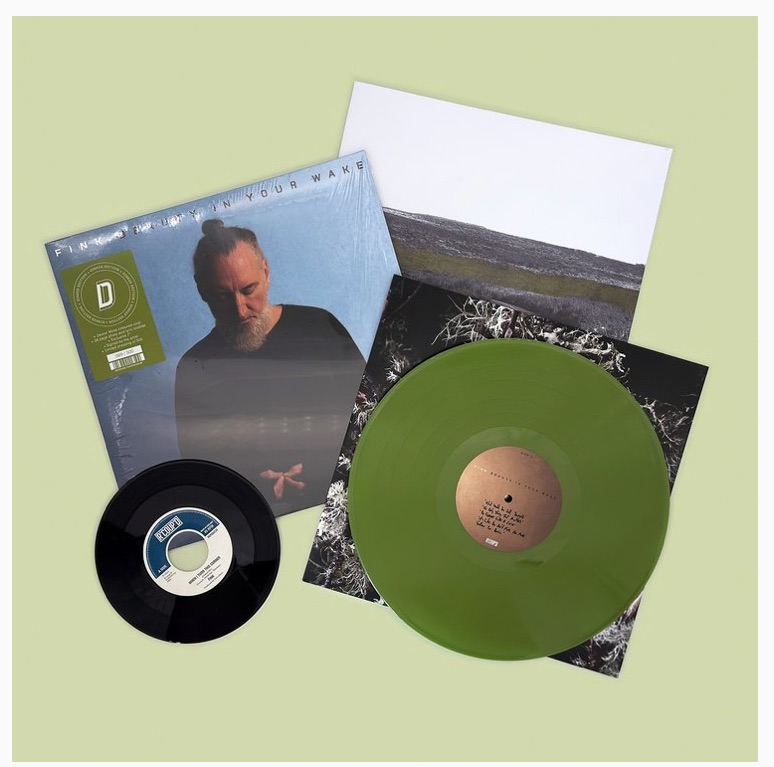
- coloured vinyl (picture discs can fall into this category)
- In North America and Europe, there is value in Japanese releases (usually with a mobile strip – paper strip wrapping the recording.
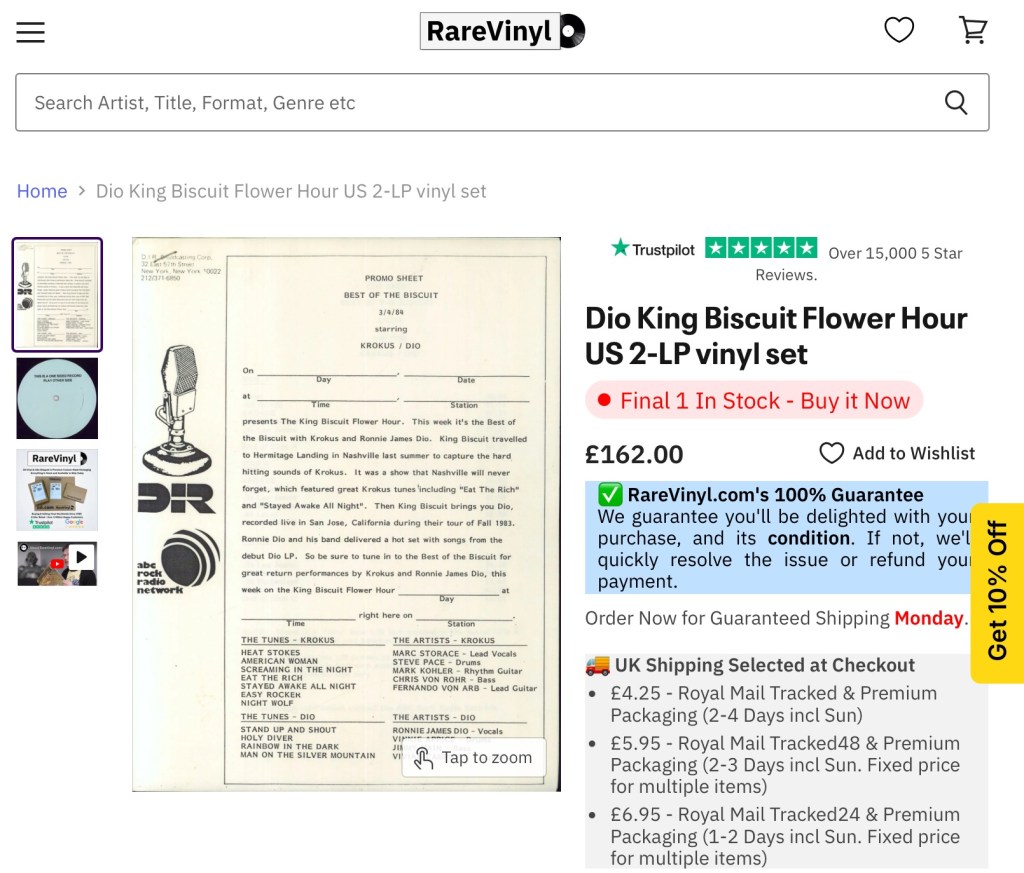
- Bootleg recordings – usually live recordings
- Vinyl releases with gatefold sleeves for albums with only one piece of vinyl or booklets (this costs money for no real gain other than possibly driving up early sales).
- Labelled as a Record Store Day release (indicates limited issue).
CD valuation
The pricing of CDs generally have cratered, this is a combination of vinyl gaining popularity again. Easier to create fakes, and volumes, and unlike Vinyl, generally don’t go out of print, as we’re able to produce pretty much on demand now.
But this isn’t true for everything. CD singles have definitely retained and even gained value, this can be attributed to:
- They have versions of tracks or even extra songs that haven’t made it to the streaming platforms.
- The singles have definitely gone out of print.
- Unusual sleeves, die cut, lenticular, different artwork.
- Singles by the 90s saw smaller production numbers.
Some record labels were prepared to do things, particularly with singles to drive up sales, which meant chart positions, which helped propel album sales.
For me, we collected a lot of CD singles because of all the extra tracks that didn’t make it to albums. It became common to also release multiple versions of singles, and yes with my favourite artists, or those with a reputation to invest in remixes or B sides I’d eat all the versions, which together could boost the value.
Some CDs experienced limited runs, with sleeves sometimes having numbering printed on them, or hand signed by the artist. A benefit of buying directly from artist websites, as soon as the album was announced.
Provenance
Provenance particularly for signed albums can be tricky at times. Sometimes the delivery note, may record that the release may be a special edition,, or signed etc. sometimes, the unique characteristic may be acknowledged on a delivery note, but usually it would mention the value on the website and web order, which I usually saved as a PDF in among the record of purchases kept electronically.
Pricing guides
Aside from Discogs, there are other places to try and ascertain value. There is the Rare Record Price Guide book, which picks up on the better-known collectables, but I’ve found its prices are often below potential. Then there is Record Collector magazine, which provides a way to list sales, and you can also see what people are selling for.
Selling
While Discogs is one option for selling, eBay is another, and there appears to be greater tolerance for price ranges (and lower fees than on Discogs). When it comes to editions with distinct uniqueness/value, another option to maximise value is to sell via fan websites (and Facebook pages), where people are more likely to recognise the release’s value, such as a complete set of CD singles, a first pressing, etc.
The watchword here is be patient, don’t skimp on the postal packing, we’ve hung onto some packaging, but selling online will need a lot more. Sourcing these from mainstream channels will make this expensive. Go to a specialist like Covers33 and buy in quantity.
Useful resources
- Discogs
- Record Collector magazine
- Covers33
- Popslike website – we’ve not used, but has been collecting auction price data.
- Rare Record Price Guide


 Phil (aka MP3Monster)'s Blog
You must be logged in to post a comment.