
Tags
agentic, AI, Glasswing, patching, Security, statistics, stats, vulnerabilities, zero day
In a couple of recent posts (CVE publication trend and how are known exploits are changing?, The time between CVE publication and exploit detection.) we’ve been digging into the data around vulnerabilities, patching and the velocity changes we’re seeing as AI has been turned to look at existing software.
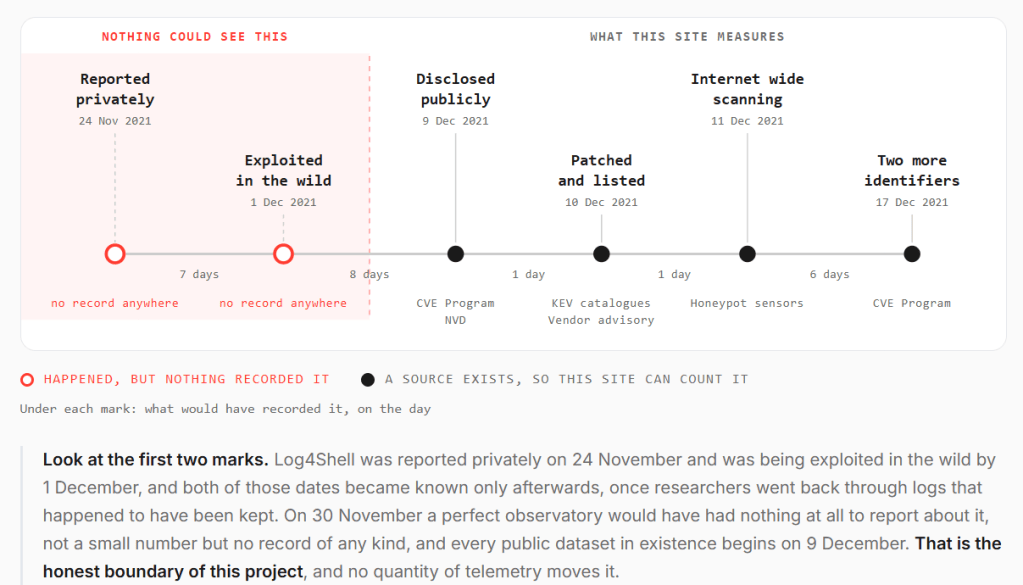
In discussing this, A colleague of mine introduced me to the Zero Day Clock website. The website provides incredibly deep and insightful analytics, particularly on trends. But it also explains what can and can’t be analyzed, why and the lifecycle of vulnerabilities:
The site isn’t just pulling data from CVE.org and related resources; it also pulls from other sources, such as sites where breaches must be reported for regulatory compliance. For example, this view:
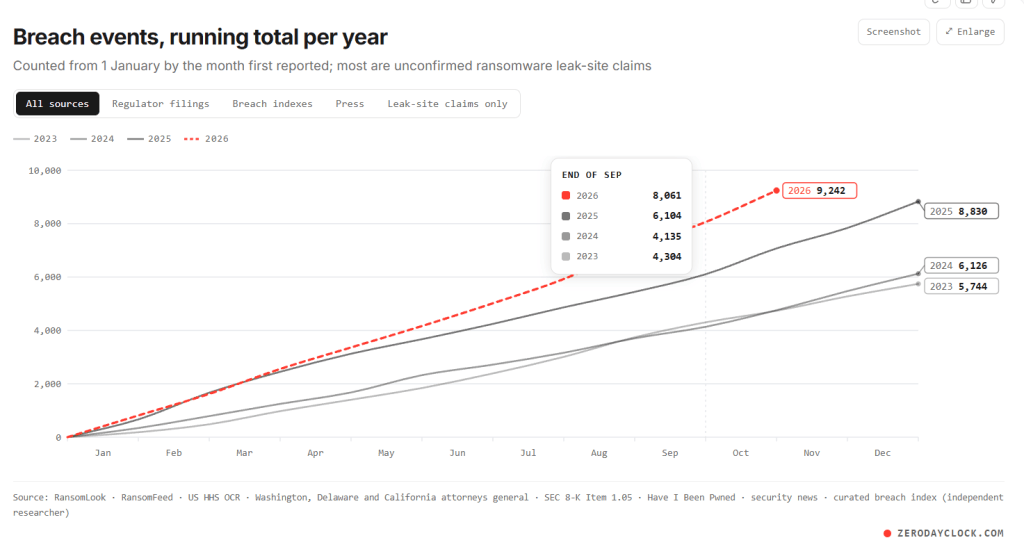
The numbers are sobering: the number of breaches by mid-September 2025 was the entirety of 2025, and 2025 was 25% higher than the preceding year. Remember this is only where a breach has reached the public domain.
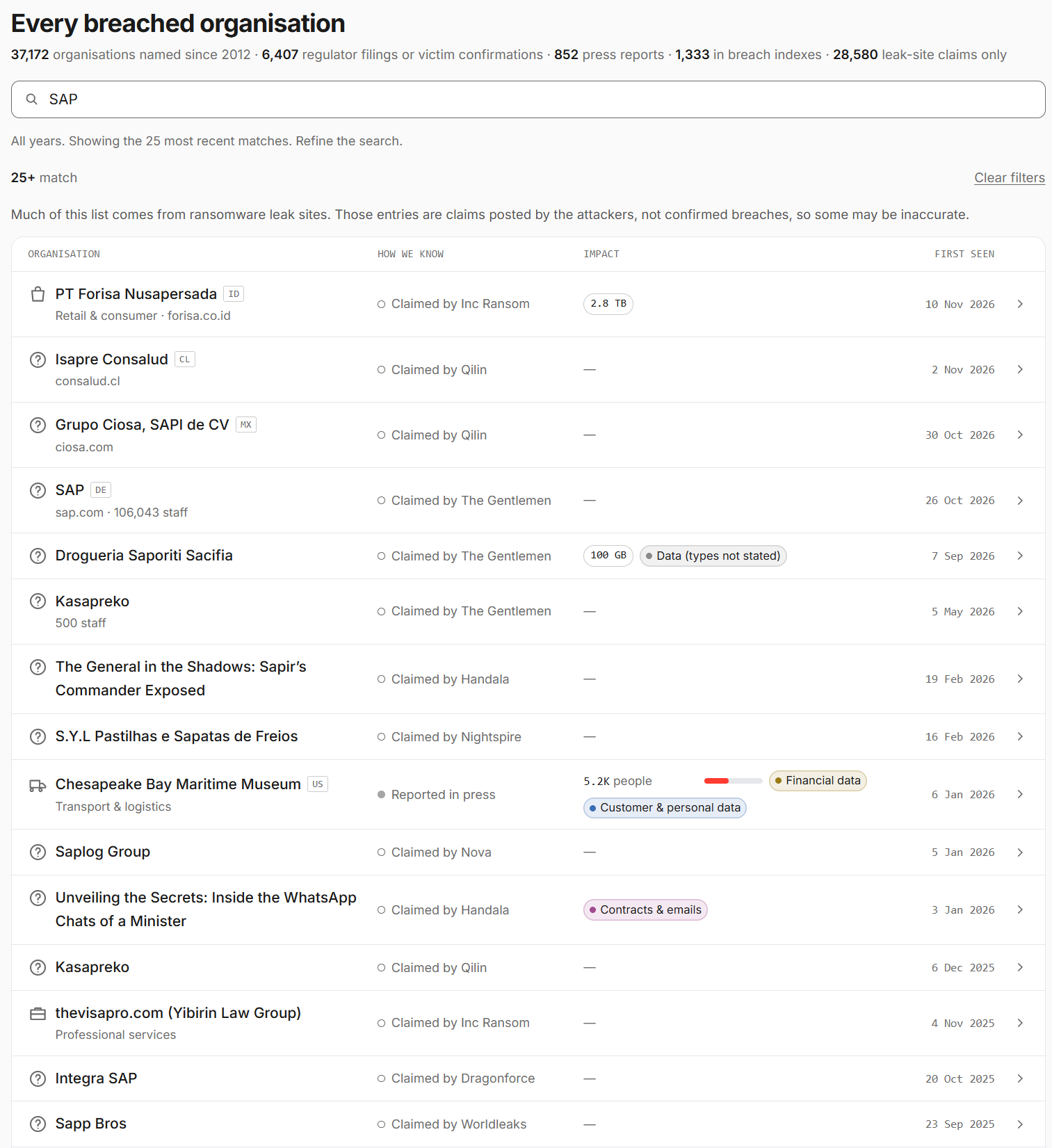
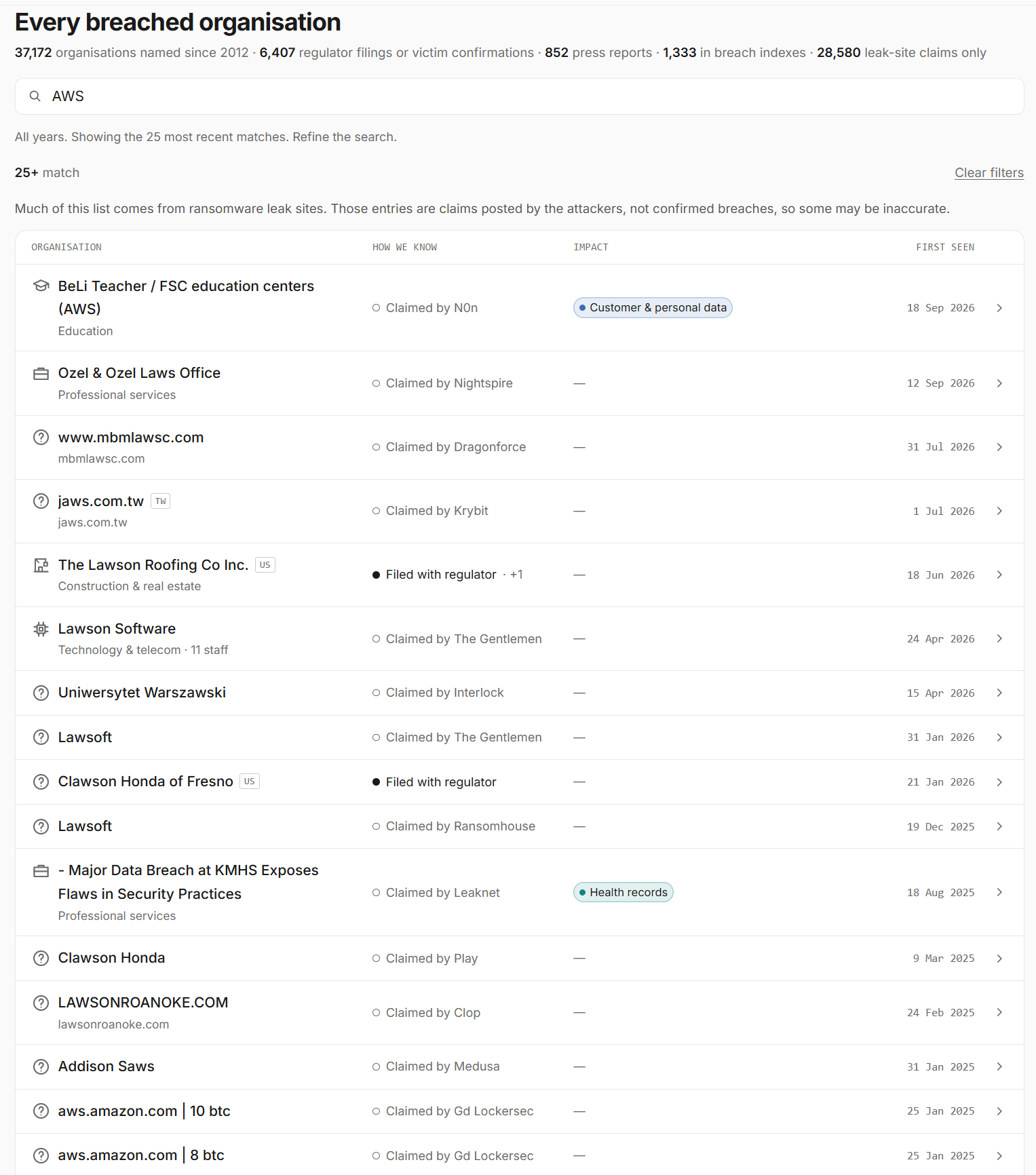
While some of the calls to arms are pretty radical, and for companies who don’t see themselves as IT companies likely unachievable, the underlying points are very much valid – such as patching alone can not be the answer. The biggest software vendors with the deepest pockets are vulnerable:
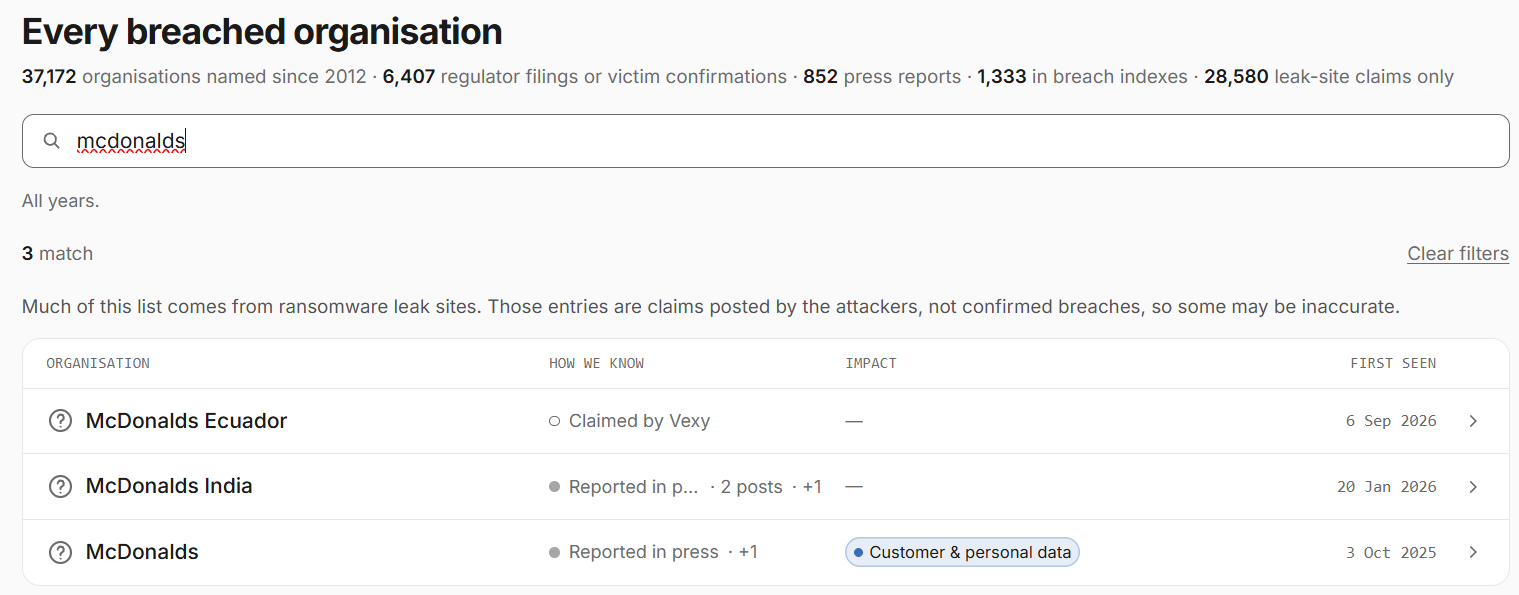
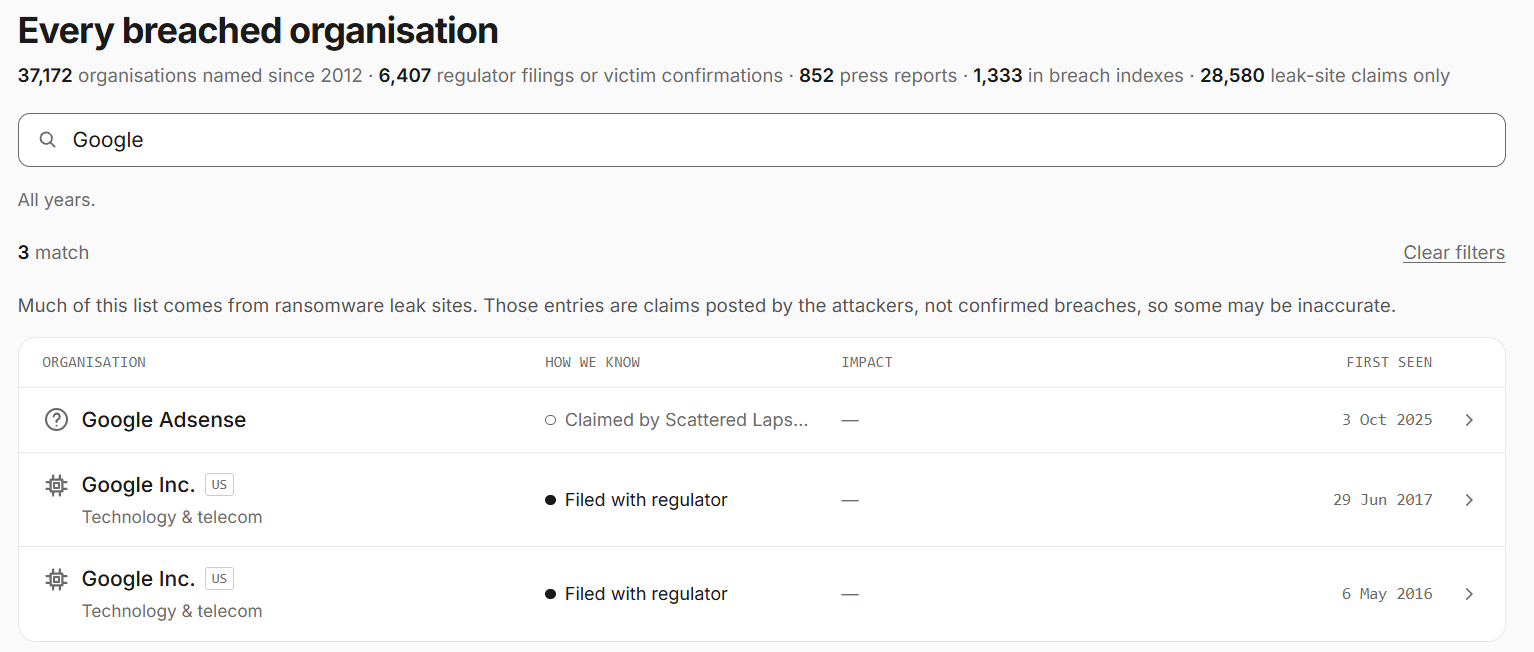
The big question …
Will these numbers start to fall back? The initial response I’ve heard a couple of times is probably: this is predicated on the fact that many issues being found have been long buried in existing code. It’s not an unreasonable extrapolation. But I think what we’ll see is the causes of issues mutating. The future drivers are, I think, going to be:
- AI is making it possible for more people to generate code, and more of it.
- AI coding is only as good as the code it was trained on, and its ability to make code robust and secure based on its ability to reason.
- AI will make it easier to find ways to exploit obscure bugs and build more compelling socially engineered attacks.
- There is a lot of legacy code not yet been subject to tools and projects such as Glasswing.
- As AI tooling continues to get better, even more obscure weaknesses will be discovered, and AI will make more complex attacks easier to achieve.
- The increasing adoption of Agentic AI means that there is a new paradigm of risk in how we exploits could be introduced. With AI being non-deterministic we can never be 100% assured of the correct outcome.
We also tend to focus on external actors, as we empower employees with AI, the greater the chances of such a capability being used to formulate internal attacks from a malcontent employee.
Conclusion
As I say, a site worth keeping an eye on, and I hope you’re able to achieve things that prevent your company from becoming another data point. We have to treat AI-based security as a Cold War arms race (and I don’t mean just the existence of state actors, but we should adopt a more paranoid mindset).


You must be logged in to post a comment.