• Home
  • About
    • Background
    • LinkedIn
    • Presenting Activities
    • Internet Profile
    • About
    • www.cloud-native.info
    • AI Disclosure
  • Observability, Fluent(d) Bit & OpAMP
    • OpAMP Product
    • OpAMP Overview
    • Log Generator
    • Fluent Bit Classic to YAML Format configurations
  • My Books
    • Logs and Telemetry using Fluent Bit
      • Fluent Bit book
      • Book Resources in GitHub
    • Logging in Action with Fluentd, Kubernetes and More
      • Logging in Action with Fluentd – Book
      • Fluentd Book Resources
      • Fluentd & Fluent Bit Additional stuff
    • API & API Platform
      • API Useful Resources
    • Oracle Integration
      • Book Website
      • Useful Reading Sources
    • Publication Contributions
  • Resources
    • GitHub
    • Oracle Integration Site
    • Oracle Resources
    • Mindmaps Index
    • Useful Tech Resources
      • Fluentd & Fluent Bit Additional stuff
      • Recommended Tech Podcasts
      • Official Sources for Product Logos
      • Java and Graal Useful Links
      • DevTips
  • Music
    • Monster On Music
    • Music Listening
    • Music Reading

Phil (aka MP3Monster)'s Blog

~ from Technology to Music

Phil (aka MP3Monster)'s Blog

Tag Archives: Glasswing

Vulnerability Analytics – Zero Day Clock

24 Tuesday Nov 2026

Posted by mp3monster in General, Security, Technology

≈ Leave a comment

Tags

agentic, AI, Glasswing, patching, Security, statistics, stats, vulnerabilities, zero day

In a couple of recent posts (CVE publication trend and how are known exploits are changing?, The time between CVE publication and exploit detection.) we’ve been digging into the data around vulnerabilities, patching and the velocity changes we’re seeing as AI has been turned to look at existing software.

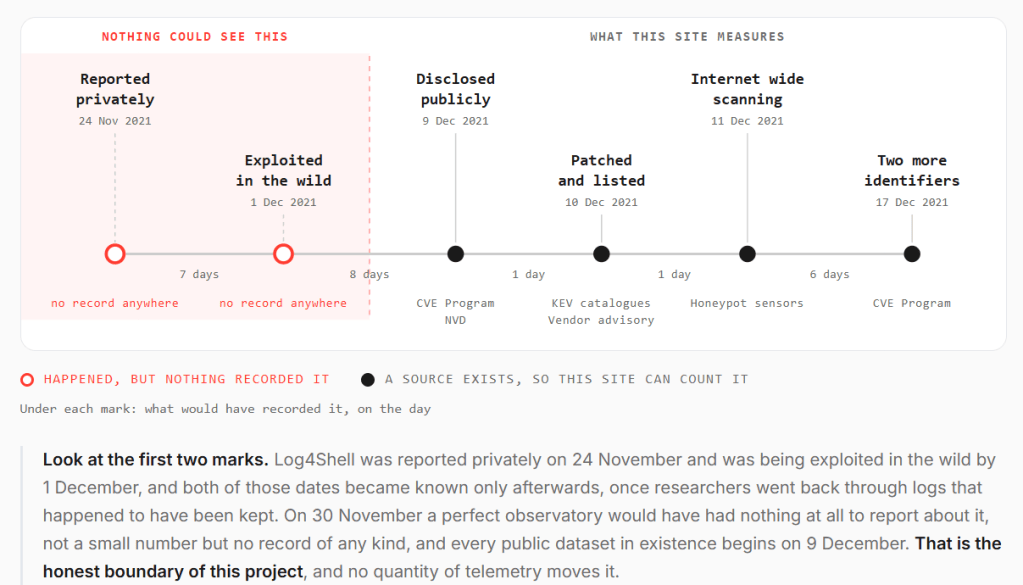
In discussing this, A colleague of mine introduced me to the Zero Day Clock website. The website provides incredibly deep and insightful analytics, particularly on trends. But it also explains what can and can’t be analyzed, why and the lifecycle of vulnerabilities:
The site isn’t just pulling data from CVE.org and related resources; it also pulls from other sources, such as sites where breaches must be reported for regulatory compliance. For example, this view:
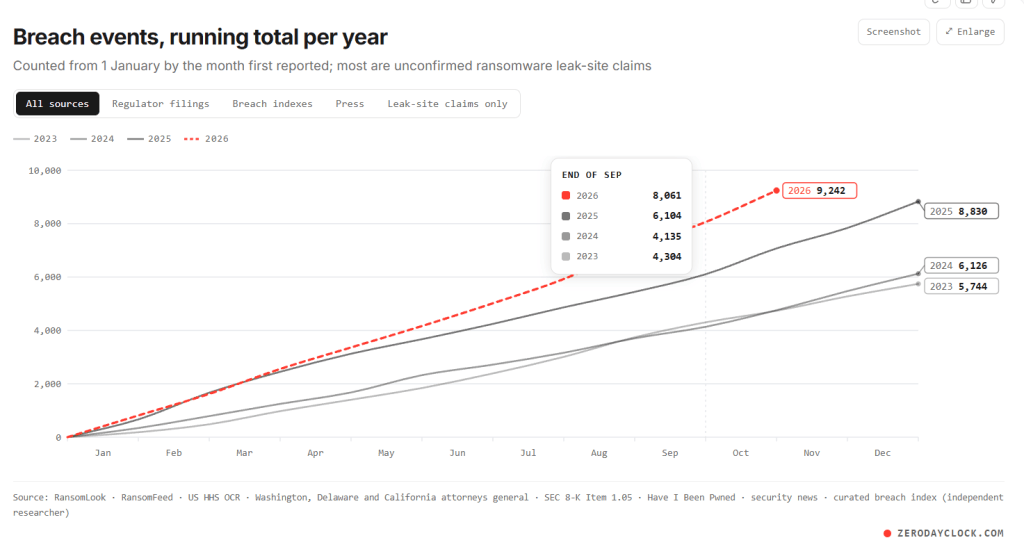
The numbers are sobering: the number of breaches by mid-September 2025 was the entirety of 2025, and 2025 was 25% higher than the preceding year. Remember this is only where a breach has reached the public domain.

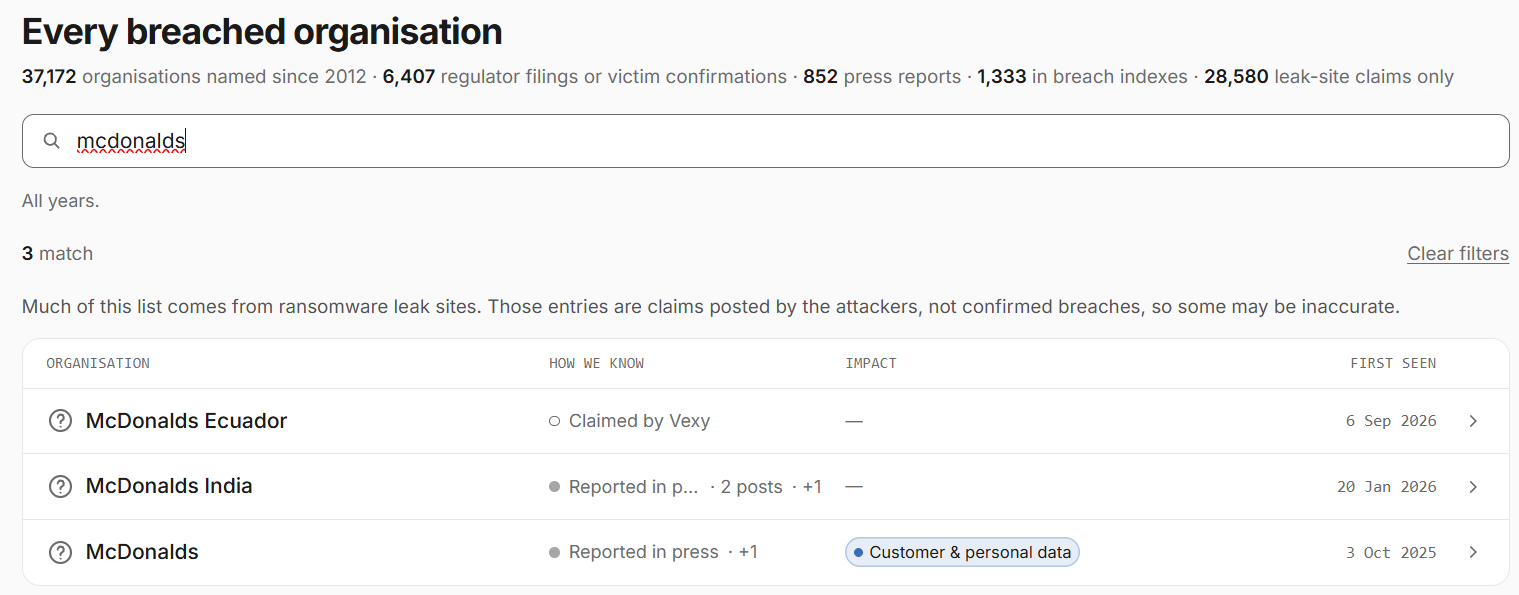
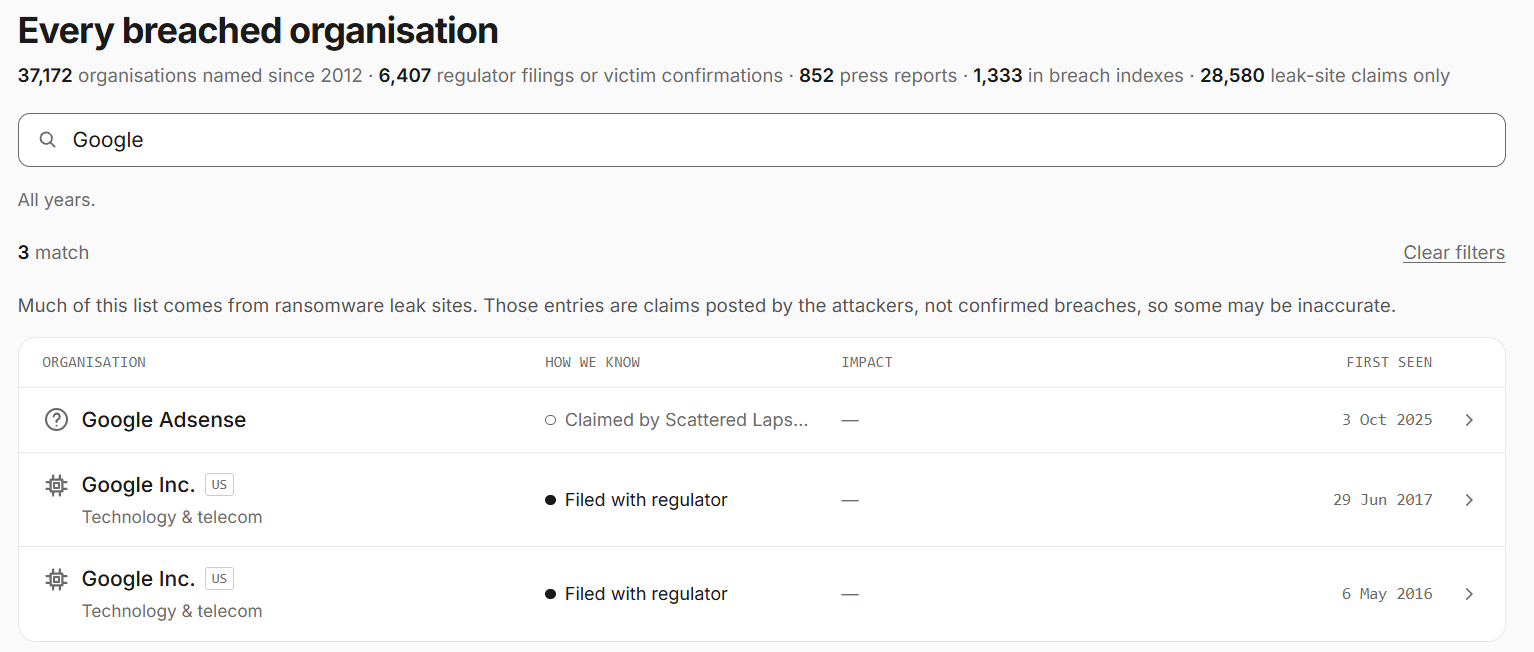
While some of the calls to arms are pretty radical, and for companies who don’t see themselves as IT companies likely unachievable, the underlying points are very much valid – such as patching alone can not be the answer. The biggest software vendors with the deepest pockets are vulnerable:
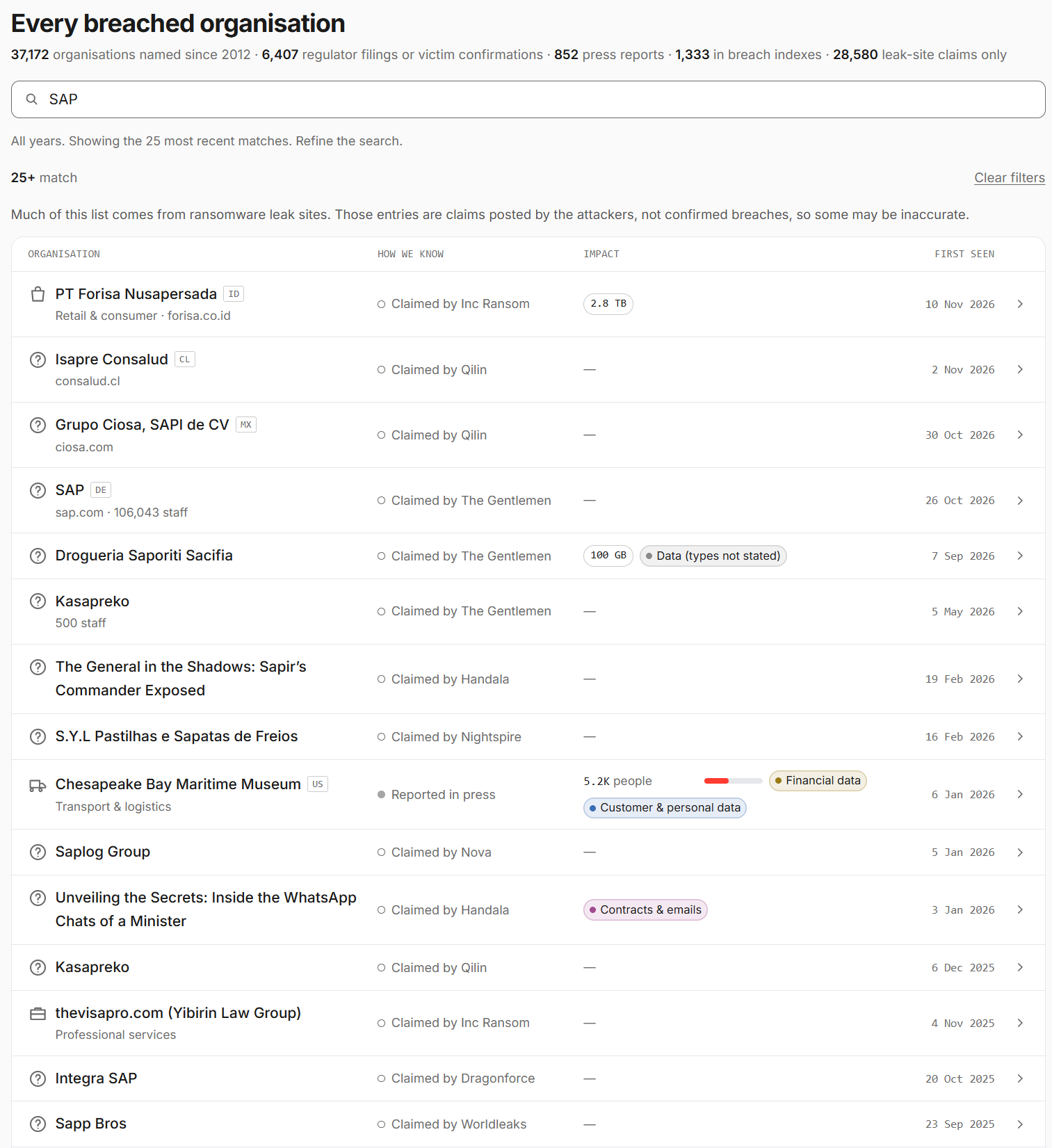
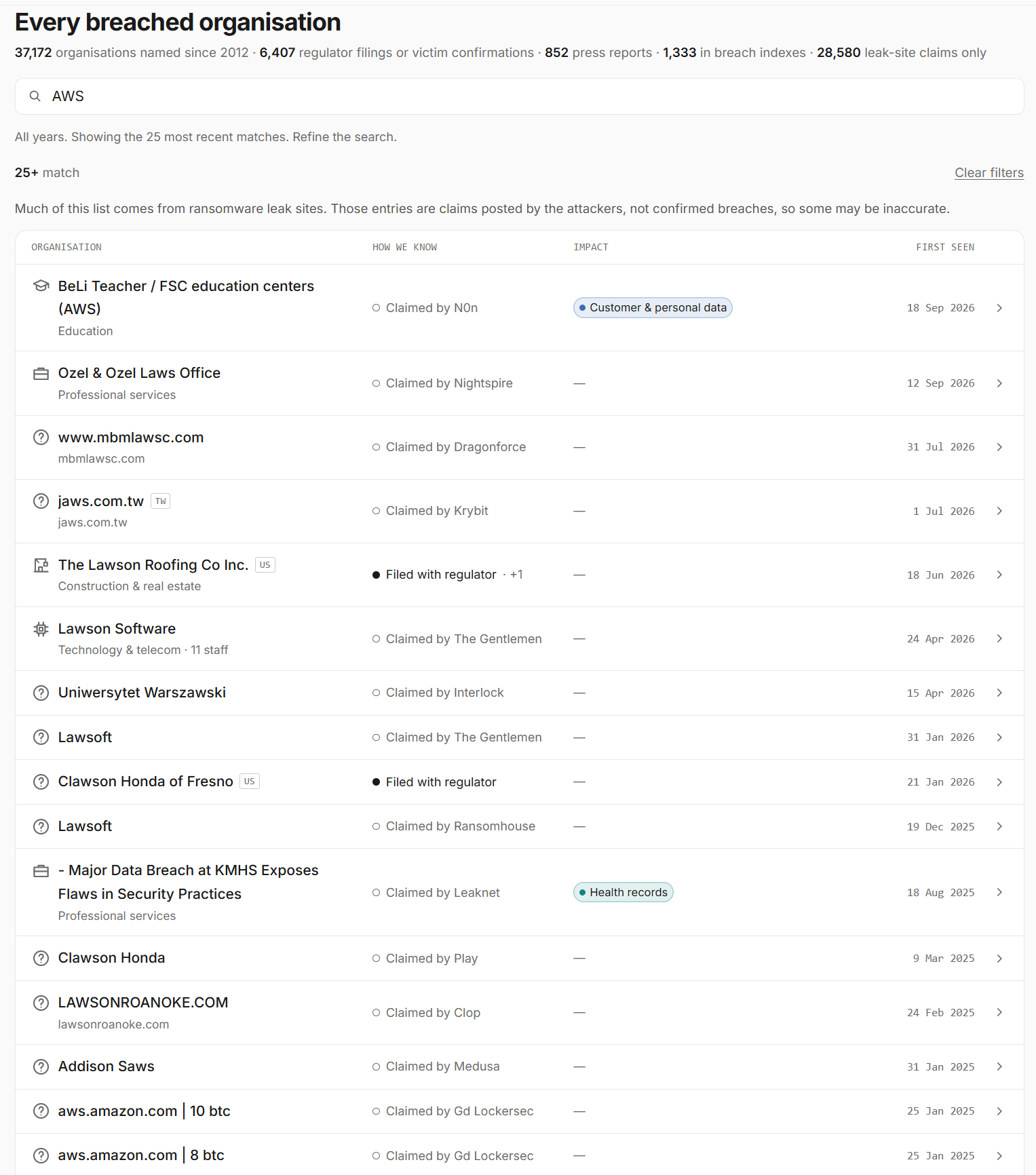
The big question …

Will these numbers start to fall back? The initial response I’ve heard a couple of times is probably: this is predicated on the fact that many issues being found have been long buried in existing code. It’s not an unreasonable extrapolation. But I think what we’ll see is the causes of issues mutating. The future drivers are, I think, going to be:

  • AI is making it possible for more people to generate code, and more of it.
  • AI coding is only as good as the code it was trained on, and its ability to make code robust and secure based on its ability to reason.
  • AI will make it easier to find ways to exploit obscure bugs and build more compelling socially engineered attacks.
  • There is a lot of legacy code not yet been subject to tools and projects such as Glasswing.
  • As AI tooling continues to get better, even more obscure weaknesses will be discovered, and AI will make more complex attacks easier to achieve.
  • The increasing adoption of Agentic AI means that there is a new paradigm of risk in how we exploits could be introduced. With AI being non-deterministic we can never be 100% assured of the correct outcome.

We also tend to focus on external actors, as we empower employees with AI, the greater the chances of such a capability being used to formulate internal attacks from a malcontent employee.

Conclusion

As I say, a site worth keeping an eye on, and I hope you’re able to achieve things that prevent your company from becoming another data point. We have to treat AI-based security as a Cold War arms race (and I don’t mean just the existence of state actors, but we should adopt a more paranoid mindset).

Share this:

  • Share on Facebook (Opens in new window) Facebook
  • Share on X (Opens in new window) X
  • Share on Reddit (Opens in new window) Reddit
  • Share on LinkedIn (Opens in new window) LinkedIn
  • Email a link to a friend (Opens in new window) Email
  • Share on WhatsApp (Opens in new window) WhatsApp
  • Print (Opens in new window) Print
  • Share on Tumblr (Opens in new window) Tumblr
  • Share on Mastodon (Opens in new window) Mastodon
  • Share on Pinterest (Opens in new window) Pinterest
  • Share on Bluesky (Opens in new window) Bluesky
Like Loading...
    • About
      • AI Disclosure
      • Internet Profile
      • Music Buying
      • Presenting Activities
    • Books & Publications
      • Logging in Action with Fluentd, Kubernetes and More
      • Logs and Telemetry using Fluent Bit
      • Oracle Integration
      • API & API Platform
        • API Useful Resources
        • Useful Reading Sources
    • Mindmaps Index
    • Monster On Music
      • Music Listening
      • Music Reading
    • OpAMP explained: the control plane for observability agents
    • Oracle Resources
    • Useful Tech Resources
      • Fluentd & Fluent Bit Additional stuff
        • Logging Frameworks and Fluent Bit and Fluentd connectivity
        • REGEX for BIC and IBAN processing
      • Formatting etc
      • Java and Graal Useful Links
      • Official Sources for Product Logos
      • Python Setup & related tips
      • Recommended Tech Podcasts

    TOGAF 9

    Logs and Telemetry using Fluent Bit


    Logging in Action — Fluentd

    Logging in Action with Fluentd


    Oracle Ace Director Alumni

    Oracle Cloud Integration Book


    API Platform Book


    Oracle Dev Meetup London

    Blog Categories

    • App Ideas
    • Books
    • Enterprise architecture
    • General
      • ExternalWebPublications
      • LinkedIn
      • Website
    • Music
      • Music Resources
      • Music Reviews
    • Photography
    • Podcasts
    • Security
    • Technology
      • AI
      • APIs & microservices
      • chatbots
      • Cloud
      • Cloud Native
      • Dev Meetup
      • development
        • languages
      • drone
      • Fluent Observability
        • Fluentbit
        • Fluentd
        • OpAMP
      • logsimulator
      • mindmap
      • OMESA
      • Oracle
        • API Platform CS
          • tools
        • ITSO & OEAF
        • OIC – ICS
        • Oracle Cloud Native
        • OUG
      • railroad diagrams
      • TOGAF

    Enter your email address to subscribe to this blog and receive notifications of new posts by email.

    Join 2,628 other subscribers

    RSS

    RSS Feed RSS - Posts

    RSS Feed RSS - Comments

    November 2026
    M T W T F S S
     1
    2345678
    9101112131415
    16171819202122
    23242526272829
    30  
    « Oct    

    Speaker Recognition

    Open Source Summit Speaker

    Twitter

    Tweets by mp3monster

    History

    Flickr Pics

    More Photos

    Social

    • View @mp3monster’s profile on Twitter
    • View philwilkins’s profile on LinkedIn
    • View mp3monster’s profile on GitHub
    • View mp3monster’s profile on Flickr
    • View mp3muncher’s profile on WordPress.org
    • View philmp3monster’s profile on Twitch
    Follow Phil (aka MP3Monster)'s Blog on WordPress.com

    Blog at WordPress.com.

    • Subscribe Subscribed
      Phil (aka MP3Monster)'s Blog
      Join 232 other subscribers

      Have a WordPress.com account? Log in now.

    • Phil (aka MP3Monster)'s Blog
      View site in Reader
      Manage subscriptionsSign upLog in
      Report this content
      Collapse this bar
    Loading Comments...

    You must be logged in to post a comment.

    Privacy & Cookies: This site uses cookies. By continuing to use this website, you agree to their use.
    To find out more, including how to control cookies, see here: Our Cookie Policy
    %d