Opening of the blog post on blogs.oracle.commy Author Profile on blogs.oracle.com
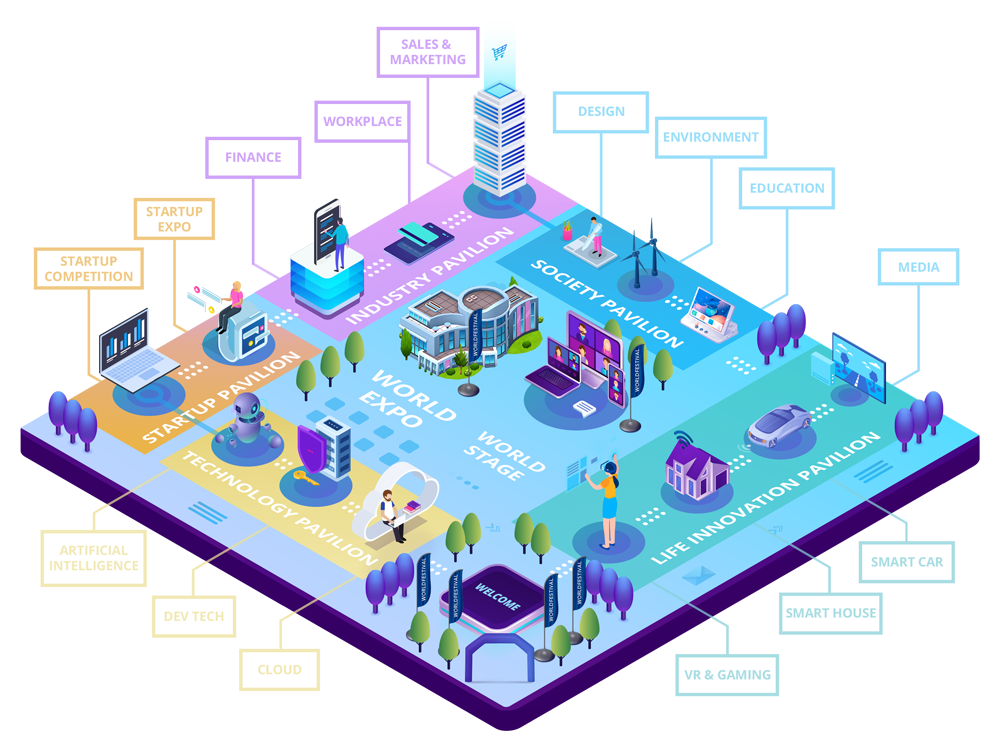
World Festival Conference
We’ve also scored another success, this time we’ve been invited to speak at WorldFestival in August, this is an online conference organized by the same team behind DeveloperWeek. This is the first time outside of an Oracle linked event where I’ve been amongst the first few named speakers, so proud of that. The conference looks really interesting as it looks beyond just core developer themes with conference tracks on Space & Transportation, Smart Cities, Robotics, Digital Health to name a few of the 12 streams. Worth checking out.
So this week the big Developer Week Europe conference is running online at the moment. I got to present today. It was a relatively short session, with an unfortunate brief interruption of a smoke alarm. My presentations is here …
The latest edition of OraWorld has become available to today. With its blend of insight into the Oracle community, and Oracle technologies from database to modern apps. I have to own up and say, I mention the magazine not only because of the beautifully crafted independent insights, but also it includes an article from myself. Taking a look at GraphQL what it is and how recent new Oracle product features could make a big difference to the GraphQL adoption opportunities.
The next edition should include a follow up article to this focussing on API security considerations.
We have had a requirement from a customer to be able define every package including dependencies within a Node solution (as it happens Apollo GraphQL), not only the complete download path but the version numbering as well. There are many ways to solve this problem. But here is an elegant(?) and portable answer. To ensure that we don’t get pollution from a global node space we created a project package in an empty folder using:
npm init --yes
This defaults all the package,json settings which for our requirements is fine. Then in the same location its npm install <product from the npm registry to pull> e.g. for Apollo GraphQL:
npm install apollo-server graphql
This will bring down to your npm project all the dependencies putting them in the node_modules child folder. We’re now in a position to retrieve all the details of the packages, their dependencies and version information. This can be done by using the command:
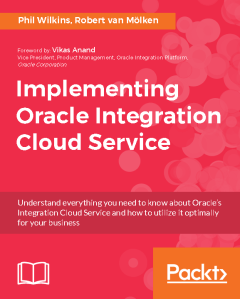
I wrote a blog after completing my first book with Robert van Mölken about what was involved. That post can be seen here. It focussed on the processes with Packt and how Robert and I worked to try to ensure the book felt consistent despite the two of us writing.
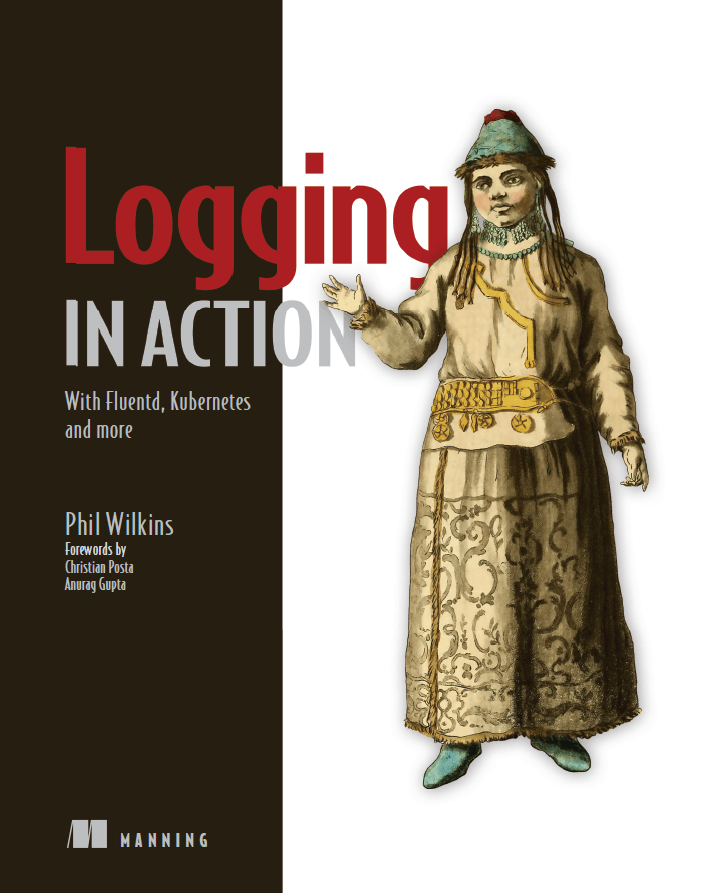
Writing Logging In Action was a solo project for a different publisher. It seems like an opportunity to share some fresh insights.
Time and Effort
Surprisingly the time between signing the contract and the manuscript being completed ready to go through the final production process didn’t vary hugely roughly 15-18 months. The final steps of preparing to go to print did take longer, in part down to the number of extra steps taken by Manning to ensure the book was polished. Upon reflection, I think that is at least partly down to the fact you need the chapters to need to flow, particularly when one chapter leads directly to the next. So you do get periods of respite until your co-author has got sufficiently far enough with their writing to enable you to start the next part. Writing solo, as soon as one chapter is completed you’re into the next, so no periods of respite.
When it comes to the amount of actual time involved. That is different, I didn’t keep track exactly. But knowing what I typically did each week and roughly how many quiet periods I had I think it works out to be 300 hours give or take 50 hours. That sounds a lot, but then if you look at it as 1 hour per page it doesn’t seem too significant.
Using Time and Self Discipline
The way time is used has been a little different, when co-authoring you have to allow time for coordinating and supporting each other, peer-reviewing writing pushing each other along in terms of keeping to plan. The Manning development team are pretty good at keeping you moving without it feeling like you’re being chased, and will provide constructive and supportive feedback. But your co-authors will know the subject matter very well and know what your best work is like, so are able to challenge you when peer-reviewing the work. When we wrote the API book, I remember one of my colleagues reviewing a chapter and coming back saying it was a solid chapter, but I know you have explained these ideas more clearly. When I went back over the chapter, I could see what they meant. As a result a better book.
The bottom line is it can be difficult to bring a critical eye to your own work, particularly soon after have written it. But you do need that self-discipline when working on your own. This is where the Manning editorial team really stood out.
The book is published, that’s the end?
It is easy to think that’s the end of things, and certainly in terms of solid writing it is. But after all the invested effort in writing it. You might as well help promote the book and take advantage of the reputation of being a published author. This means presenting on the subject of your book. The book will provide a level of credentials & credibility to the subject you’ve written about. Despite being an introvert (which is why I take pleasure in the writing process) getting through the pre-presentation nerves, feelings of imposter syndrome once on stage and talking about your subject can be a rush, particularly as you finish. The personal payoff from presenting can come after the event, when someone who has seen your presentation says to you afterwards, that really helped me, or they really enjoyed or found the presentation thought-provoking.
If presenting is too much then these days there are other paths available, such as writing articles for journals, participating in podcasts. Having participated in several podcasts if you have a good host, this can be good fun.
What do I get out of writing?
The benefit of royalties certainly won’t replace a typical developer’s salary, unless you’re really lucky. Even with mainstream publications, only a small proportion of authors are successful enough for it to become their day job. But, there are indirect benefits. If you want something to put your CV above many others – then a book will really help. This is often why a lot of freelancers write books – it helps provide credibility over others. There is no doubt that my writing has made a difference to a change in job. I suspect that joining Capgemini and my next move has been a lot easier because of it. Not to mention, I’ve known clients like the idea that within the team they’ve engaged are people with credibility beyond just the supplier. Depending upon your employer, the marketing value for them to employ you (or me) as an author (and by implication an SME) add differentiation as well.
Writing solo again?
I’ve heard technical book authors say, never again once they’ve been published. A few I know have written multiple books. Given the experience, I think co-authoring is easier. But the gratification of completing a solo effort is so much greater.
The technical book landscape is shifting, technology cycles seem to be accelerating (or is it that I’ve reached an age where time seems to go by so much quicker) which is impacting a book’s shelf life. The ability to provide, receive and expect more interactive engagement is evolving – LiveBooks, Katacoda etc. The need to consume smaller pieces across multiple sources is growing as we need to build new skills, but don’t want to start from scratch (as I described here for example).
There is no doubt I’ll get involved in another book project. But a solo writing project will probably be smaller so we can shorten that development cycle.
The book has had a title change as Manning found that links the book was clashing with other solutions using the term ‘Unified Logging’. With the name change it helps bring the book inline with the Manning naming with their In action series. This means the book website is now https://www.manning.com/books/logging-in-action.
With the name change we’ve agreed that there should an additional chapter added. As I’d written the book with a view that everything we cover applies to both modern solutions such as Microservices coming from the CNCF camp but equally relevant to more traditional IT landscapes. Within the book we have explianed how things are positioned and can be used in Kubernetes, but it was agreed with our editorial team that not tackling the configuration of Fluentd with Kubernetes and Docker was to an extent ignoring a key community that will be using Fluentd. So the new chapter will be introduced to address this aspect.
In terms of progress we’re into the 1’s – 1 Chapter to start (the new one), 1 Chapter back from the Technical Editor (Logging Best Practises) – some edits to be done, 1 Chapter now with the editor (How To Create Custom Plugins), 1 Chapter being finished (Logging Frameworks) and finally 1 peer review cycle to go.
Given the lovely review comments that have been quoted on the book’s page. I can only recommend if you have an interest in logging and monitoring then check it out through Manning Early Access Programme (MEAP).
I was fortunate enough to record a podcast with the team at Adventures In Dev Ops just before Christmas. The recording has been fine tuned and now available on their web site here. From my perspective, the discussion was really interesting and explored a wide range of areas around the challenges of monitoring.
As the podcast is linked to the book we’re writing for Manning (Unified Logging With Fluentd), there is a discount code currently running – poddevopsadv20.
Thanks to Charles Wood and Jeffrey Groman for having me on as a guest.
Other news …
I will be presenting at the online conference Blueprint LDN, check out the subjects being covered, looks very interesting.
I’ve not posted about the developer meetups for a little while, perhaps because with everything being virtual these days things blur together too much. But its time to put that right (at least a little). So over the last couple of month’s we’ve been fortunate enough to have a couple of Oracle’s guru’s from the A-Team covering some pretty interesting topics.
November saw Chris Peytier exploring the process management side of Integration Cloud and how process management and more traditional integration can come together to offer a very effective solution with example use cases such as the idea of when conditions are not valid for an integration to be executed Chris’ slides are here.
Then this week we had Angelo Santagata complete with Santa hat talking about Serverless as a means to enable SaaS extensions and integrations through the use of Oracle Functions (the cloud-deployed version of Project Fn). You can get the presentation here.
If the slides aren’t enough then you can catch the presentations as videos, Angelo’s is here and I’m sure we’ll see Chris’ made available as well.
2021
I’m excited to say that we have a coyuple of presentations lined up for 2021 already so keep an eye on the London Oracle Developer Meetup. So watch out for the updates in the new year.
My blogging is way down compared with only a post about OKit – OCI Design (on Windows). It largely comes down to lots of work on our Fluentd book. Chapter 6 is now available in the MEAP. As the promo info says …
Last chapter, we touched on the use of the Filter directive. But that was just the tip of the iceberg! In Chapter 6, we’ll plunge below the surface, exploring the when, why, and how of applying filters to give us more insight and precise control over events.
Promo Email from Manning
Earlier chapters have been tweaked, with some additional improvements which will make the live reading experience better.
Another chapter and an appendix should be finding their way to MEAP very soon as it was handed over by our project editor. That will make it seven chapters available, and all the appendices.
Whilst the peer review is taking place the chapter covering plugin development is progressing. The development work has got the basics of the output plugin with log events being stored in Redis and the input being worked on as well. If you want a peak, keep an eye on my GitHub repository (here).
But is isn’t all writing…
I presented on Twitch – you can catch that at https://m.twitch.tv/videos/809295979 I’ve been offered the opportunity to present again, so keep an eye out for something next year.
We recorded a podcast with the excellent guys over at Adventures In DevOps. We don’t have the exact date for the podcast to be released, but I imagine it will sometime during Jan 2021. I’d recommend checking out the podcasts. I’ve been dipping into their back catalogue of recordings and the team ask some really thought provoking questions.
If that wasn’t enough, we’ve been fortunate enough to have some time to talk with leading members of the Fluentd and Fluent Bit projects which was a real pleasure. Hopefully, as we leave this horrendous year behind we’ll get to talk and possibly collaborate some more.
OKit is a tremendous tool for the visual design and development for your Oracle Cloud environment. Visualizing your networks, positioning of service gateways and so on makes it a lot easier than filling in web forms or writing Terraform files as you can see the relationships between the different parts far more easily. For the same reason really that a lot of people use Visio and other tools for this work. The real beauty is that OKit can generate the Terraform and Ansible scripting that can then be used to deliver the implementation.
Okit for visual design of Oracle Cloud
The tool isn’t currently an official Oracle product, but something built by the Oracle A-Team (a small team of gurus who have a role blending developer advocacy, architect supporting customers for the special edge cases and providing thought leadership). But we can hope that someone brings it into the fold and perhaps even incorporates it securely into the cloud dashboard. In the mean time, the code in its entirety is available on GitHub.








 Phil (aka MP3Monster)'s Blog
You must be logged in to post a comment.