• Home
  • Site Aliases
    • www.cloud-native.info
  • About
    • Background
    • Presenting Activities
    • Internet Profile
      • LinkedIn
    • About
  • Books & Publications
    • Log Generator
    • Logs and Telemetry using Fluent Bit
      • Fluent Bit book
      • Book Resources in GitHub
      • Fluent Bit Classic to YAML Format configurations
    • Logging in Action with Fluentd, Kubernetes and More
      • Logging in Action with Fluentd – Book
      • Fluentd Book Resources
      • Fluentd & Fluent Bit Additional stuff
    • API & API Platform
      • API Useful Resources
    • Oracle Integration
      • Book Website
      • Useful Reading Sources
    • Publication Contributions
  • Resources
    • GitHub
    • Oracle Integration Site
    • Oracle Resources
    • Mindmaps Index
    • Useful Tech Resources
      • Fluentd & Fluent Bit Additional stuff
      • Recommended Tech Podcasts
      • Official Sources for Product Logos
      • Java and Graal Useful Links
      • Python Setup & related stuff
  • Music
    • Monster On Music
    • Music Listening
    • Music Reading

Phil (aka MP3Monster)'s Blog

~ from Technology to Music

Phil (aka MP3Monster)'s Blog

Category Archives: manning

More Posts at The New Stack

12 Friday Sep 2025

Posted by mp3monster in Books, Fluentbit, Fluentd, manning, Technology

≈ Leave a comment

Tags

blog, book, development, ebook, FLB, Fluent Bit, logging, TheNewStack, TNS

As The New Stack regularly posts new extracts, we’re updating this page; accordingly, the date below reflects the last update.

December 22, 2025

With the publication of Logging Best Practices (for background to this, go here), more articles have been published through The New Stack, extending the original list we blogged about here.

The latest articles:

  • Kubernetes Auditing and Events: Monitoring Cluster Activity (19th December 25) NEW
  • What To Know Before Building Fluent Bit Plugins With Go (21st November 25)
  • How Are OpenTelemetry and Fluent Bit Related? (29th October 25)
  • A Guide To Fluent Bit’s Health Check API Endpoints (17th September 25)
  • Understanding Log Events: Why Context Is Key (11th September 25)
  • How to Evaluate Logging Frameworks: 10 Questions (21st August 25)
  • Using Logging Frameworks for Application Development (7th August 25)
  • Logging Best Practices: Defining Error Codes (18th July 25)

The previous list:

  • What’s Driving Fluent Bit Adoption? (26th June 25)
  • What Is Fluent Bit? (10th June 25)
  • What Are the Differences Between OTel, Fluent Bit and Fluentd? (8th July 25)
  • Fluent Bit, a Specialized Event Capture and Distribution Tool (30th May 25)

Share this:

  • Click to share on Facebook (Opens in new window) Facebook
  • Click to share on X (Opens in new window) X
  • Click to share on Pocket (Opens in new window) Pocket
  • Click to share on Reddit (Opens in new window) Reddit
  • Click to email a link to a friend (Opens in new window) Email
  • Click to share on WhatsApp (Opens in new window) WhatsApp
  • Click to print (Opens in new window) Print
  • Click to share on Tumblr (Opens in new window) Tumblr
  • Click to share on Mastodon (Opens in new window) Mastodon
  • Click to share on Pinterest (Opens in new window) Pinterest
  • More
  • Click to share on Bluesky (Opens in new window) Bluesky
  • Click to share on LinkedIn (Opens in new window) LinkedIn
Like Loading...

Microservices Patterns 2nd edition in the works

24 Sunday Aug 2025

Posted by mp3monster in Book Reviews, Books, General, manning, Technology

≈ Leave a comment

Tags

book, ebook, Microservices, Patterns, review

Back in 2018, Manning published Chris Richardson‘s Microservices Patterns book. In many respects, this book is the microservices version of the famous Gang of Four patterns book. The exciting news is that Chris is working on a second edition.

One key difference between the GoF book and this is that engaging with patterns like Inversion of Control, Factories, and so on isn’t impacted by considerations around architecture, organization, and culture.

While the foundational ideas of microservices are established, the techniques for designing and deploying have continued to evolve and mature. If you follow Chris through social media, you’ll know he has, in the years since the book’s first edition, worked with numerous organisations, training and helping them engage effectively with microservices. As a result, a lot of processes and techniques that Chris has identified and developed with customers are grounded in real practical experience.

As the book is in its early access phase (MEAP), not all chapters are available yet, so plenty to look forward to.

So even if you have the 1st edition and work with microservice patterns, the updates will, I think, offer insights that could pay dividends.

If you’re starting your software career or considering the adoption of microservices (and Chris will tell you it isn’t always the right answer), I highly recommend getting a copy, as with the 1st edition, the 2nd will become a must-read book.

Share this:

  • Click to share on Facebook (Opens in new window) Facebook
  • Click to share on X (Opens in new window) X
  • Click to share on Pocket (Opens in new window) Pocket
  • Click to share on Reddit (Opens in new window) Reddit
  • Click to email a link to a friend (Opens in new window) Email
  • Click to share on WhatsApp (Opens in new window) WhatsApp
  • Click to print (Opens in new window) Print
  • Click to share on Tumblr (Opens in new window) Tumblr
  • Click to share on Mastodon (Opens in new window) Mastodon
  • Click to share on Pinterest (Opens in new window) Pinterest
  • More
  • Click to share on Bluesky (Opens in new window) Bluesky
  • Click to share on LinkedIn (Opens in new window) LinkedIn
Like Loading...

Fluent Bit Articles on TheNewStack – a Biproduct of a book sponsor?

12 Thursday Jun 2025

Posted by mp3monster in Books, Fluentbit, Fluentd, General, manning, Technology

≈ 1 Comment

Tags

author, book, books, Fluent Bit, manning, reading, The New Stack, TNS, writing

Like many developers and architects, I track the news feeds from websites such as The New Stack and InfoQ. I’ve even submitted articles to some of these sites and saw them published. However, in the last week, something rather odd occurred: articles in The New Stack (TNS) appeared, attributed to me, although I had no involvement in the publication process with TNS; yet, the content is definitely mine. So what appears to be happening?

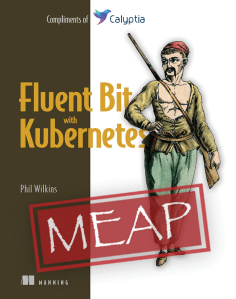
To help answer this, let me provide a little backstory. Back in October and November last year, we completed the publication of my book about Fluent Bit (called Logs and Telemetry with a working title of Fluent Bit with Kubernetes), a follow-up from Logging In Action (which covered Fluent Bit’s older sibling, Fluentd). During the process of writing these books, I have had the opportunity to get to know members of the team behind these CNCF projects and consider them as engineering friends. Through several changes, the core team has primarily come to work for Chronosphere. To cut a long story short, I connected the Fluent Bit team to Manning, and they sponsored my book (giving them the privilege of giving away a certain number of copies of the book, cover branding, and so on).

It appears that, as part of working with Manning’s marketing team, authors are invited to submit articles and agree to have them published on Manning’s website. Upon closer examination, the articles appear to have been sponsored by Chronosphere, with an apparent reference to Manning publications. So somewhere among the marketing and sales teams, an agreement has been made, and content has been reused. Sadly, no one thought to tell the author.

I don’t in principle have an issue with this, after all, I wrote the book, and blog on these subjects because I believe enabling an understanding of technologies like Fluent Bit is valuable and my way of contributing to the IT community (Yes, I do see a little bit of money from sales, but the money-to-time and effort ratio works out to be less than minimum wage).

The most frustrating bit of all of this is that one of the articles links to a book I’ve not been involved with, and the authors of Effective Platform Engineering aren’t being properly credited. It turns out that Chronosphere is sponsoring Effective Platform Engineering (Manning’s page for this is here).

26th June Update – another article

The New Stack published another sponsored article – What’s Driving Fluent Bit Adoption? This one does feel like it has been ‘tweaked’.

2nd July Update – and more …

Another bit of the book on New Stack – What Is Fluent Bit?

8th July Update – and more …

Another bit of the book on New Stack – What Are the Differences Between OTel, Fluent Bit and Fluentd?

Other Posts …

If you’d like to see the articles and my bio now on The New Stack:

  • Fluent Bit Core Concepts
  • Specialized Event Capture and Distribution Tool
  • The New Stack Bio

Share this:

  • Click to share on Facebook (Opens in new window) Facebook
  • Click to share on X (Opens in new window) X
  • Click to share on Pocket (Opens in new window) Pocket
  • Click to share on Reddit (Opens in new window) Reddit
  • Click to email a link to a friend (Opens in new window) Email
  • Click to share on WhatsApp (Opens in new window) WhatsApp
  • Click to print (Opens in new window) Print
  • Click to share on Tumblr (Opens in new window) Tumblr
  • Click to share on Mastodon (Opens in new window) Mastodon
  • Click to share on Pinterest (Opens in new window) Pinterest
  • More
  • Click to share on Bluesky (Opens in new window) Bluesky
  • Click to share on LinkedIn (Opens in new window) LinkedIn
Like Loading...

shhh – Fluent Bit book has gone to the printers, and …

13 Sunday Oct 2024

Posted by mp3monster in Books, Fluentbit, General, manning, Technology

≈ Leave a comment

Tags

book, ebook, FluentBit, manning, webinar

I thought you might like to know that last week, the production process on the book (Logs and Telemetry with Fluent Bit, written with the working title of Fluent Bit with Kubernetes) was completed, and the book should be on its way to the printers. In the coming weeks, you’ll see the MEAP branding disappear, and the book will appear in the usual places.

If you’ve been brilliant and already purchased the book – the finished version will be available to download soon, and for those who have ordered the ‘tree’ media version – a few more weeks and ink and paper will be on their way.

As part of the promotion, we will be doing a webinar with the book’s sponsor, To register for their webinar – go to https://go.chronosphere.io/fluent-bit-with-kubernetes-meet-the-author.html

Share this:

  • Click to share on Facebook (Opens in new window) Facebook
  • Click to share on X (Opens in new window) X
  • Click to share on Pocket (Opens in new window) Pocket
  • Click to share on Reddit (Opens in new window) Reddit
  • Click to email a link to a friend (Opens in new window) Email
  • Click to share on WhatsApp (Opens in new window) WhatsApp
  • Click to print (Opens in new window) Print
  • Click to share on Tumblr (Opens in new window) Tumblr
  • Click to share on Mastodon (Opens in new window) Mastodon
  • Click to share on Pinterest (Opens in new window) Pinterest
  • More
  • Click to share on Bluesky (Opens in new window) Bluesky
  • Click to share on LinkedIn (Opens in new window) LinkedIn
Like Loading...

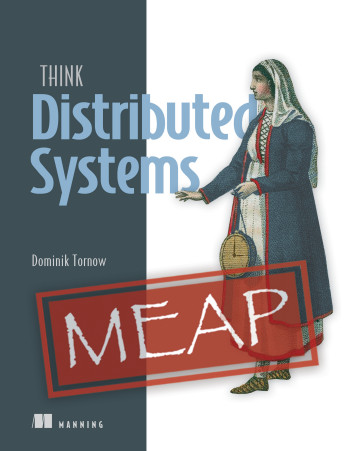
Think Distributed Systems

26 Monday Aug 2024

Posted by mp3monster in Book Reviews, development, General, manning, Technology

≈ Leave a comment

Tags

book, distributed, locking, locks, parrallelism, threading

One of the benefits of being an author with a publisher like Manning is being given early access to books in development and being invited to share my thoughts. Recently, I was asked if I’d have a look at Think Distributed Systems by Dominik Tornow.

Systems have become increasingly distributed for years, but the growth has been accelerating fast, enabled by technologies like CORBA, SOAP, REST frameworks, and microservices. However, some distribution challenges even manifest themselves when using multithreading applications. So, I was very interested in seeing what new perspectives could be offered that may help people, and Dominik has given us a valuable perspective.

I’ve been fortunate enough that my career started with working on large multi-server, multithreaded mission-critical systems. Using Ada and working with a mentor who challenged me to work through such issues. How does this relate to the book? This work and the mentor meant I built some good mental models of distributed development early in my career. Dominik calls out that having good mental models to understand distributed systems and the challenges they can bring is key to success. It’s this understanding that equips you to understand challenges such as resource locking, contending with mutual deadlock, transaction ordering, the pros and cons of optimistic locking, and so on.

As highlighted early on in this book, most technical books come from the perspective of explaining tools, languages, or patterns and to make the examples easy to follow, the examples tend to be fairly simplistic. This is completely understandable; these books aim to teach the features of the language. Not how to bring these things to bear in complex real-world use cases. As a result, we don’t necessarily get the fullest insight and understanding of the problems that can come with optimistic locking.

Given the constraints of explaining through the use of programming features, the book takes a language-agnostic approach to explaining the ideas, and complexities of distributed solutions. Instead, the book favors using examples, analogies, and mathematics to illustrate its points. The mathematics is great at showing the implications of different aspects of distributed systems. But, for readers like me who are more visual and less comfortable with numeric abstraction, this does mean some parts of the book require more effort – but it is worth it. You can’t deny hard numeric proofs can really land a message, and if you know what the variables are that can change a result, you’re well on your way.

For anyone starting to design and implement distributed and multi-threaded applications for the first time, I’d recommend looking at this book. From what I’ve seen so far, the lessons you’ll take away will help keep you from walking into some situations that can be very difficult to overcome later or, worse, only manifest themselves when your system starts to experience a lot of load.

Share this:

  • Click to share on Facebook (Opens in new window) Facebook
  • Click to share on X (Opens in new window) X
  • Click to share on Pocket (Opens in new window) Pocket
  • Click to share on Reddit (Opens in new window) Reddit
  • Click to email a link to a friend (Opens in new window) Email
  • Click to share on WhatsApp (Opens in new window) WhatsApp
  • Click to print (Opens in new window) Print
  • Click to share on Tumblr (Opens in new window) Tumblr
  • Click to share on Mastodon (Opens in new window) Mastodon
  • Click to share on Pinterest (Opens in new window) Pinterest
  • More
  • Click to share on Bluesky (Opens in new window) Bluesky
  • Click to share on LinkedIn (Opens in new window) LinkedIn
Like Loading...

Secure APIs (MEAP) book – Initial Impressions

24 Friday May 2024

Posted by mp3monster in Book Reviews, General, manning

≈ Leave a comment

Tags

API, book, manning, MEAP, secure, Security

My day job as a technical architect means I spend a lot of time working on and around technical non-functional needs, from observability to APIs. And APIs are everywhere (sometimes we don’t talk about things like the OpenTelemetry Protocol (OTLP) as APIs, but this is what it is). and I’ve written and blogged on the subject many times in the past.

One of the things I tend to do is read books on the subject – always on the lookout for new strategies, ideas, and techniques for handling an API’s number one challenge – security. With a new book on Secure APIs from José Haro Peralto being published by Manning (as a Manning author, I have the perks of looking at books published and in the Early Access Program).

The Early Access Program means that after the first couple of chapters have been written and go through initial review processes, they’re made available. However, the book is still in development and has not gone through a full copy edit process. However, the core ideas and messages are there in the book.

The book so far looks really good. It comes across as very practical and illustrative of the points it needs from the outset, with some nicely presented insights about why API Security is such an important consideration—54% of web traffic is API-driven, organizations see as many as 10 million attacks per day, and a breach typically costs $6.1 million. If you’re trying to make a case for investing in API security – there are some great references here.

The book doesn’t just look at implementing the code that powers the API contract but also the tools from firewalls to gateways. It engages in the process of figuring out what risks an API needs to mitigate and the consequences of failing to do so. While the first couple of chapters look at the broader landscape and ideas. We can expect a closer look at things like the OWASP Top 10 (a resource that should be mandatory learning for anyone going to implement APIs or web app development more generally) as the book progresses.

The first couple of chapters read well and are easy to absorb, and we’re looking forward to reading the coming chapters, which will discuss the nuts and bolts of securing APIs.

The only observation to be aware of at this point is that, while not explicitly stated, the illustrations suggest a strong bias to RESTful web services with the appearance of just the Open API Initiative logo. While REST is the most common API approach, gRPC, and GraphQL are continuing to make big inroads and are supported by the Asynchronous API Spec. I suspect this will be addressed given José’ background and expertise. I#m looking forward to the coming chapters.

Share this:

  • Click to share on Facebook (Opens in new window) Facebook
  • Click to share on X (Opens in new window) X
  • Click to share on Pocket (Opens in new window) Pocket
  • Click to share on Reddit (Opens in new window) Reddit
  • Click to email a link to a friend (Opens in new window) Email
  • Click to share on WhatsApp (Opens in new window) WhatsApp
  • Click to print (Opens in new window) Print
  • Click to share on Tumblr (Opens in new window) Tumblr
  • Click to share on Mastodon (Opens in new window) Mastodon
  • Click to share on Pinterest (Opens in new window) Pinterest
  • More
  • Click to share on Bluesky (Opens in new window) Bluesky
  • Click to share on LinkedIn (Opens in new window) LinkedIn
Like Loading...

Fluent Bit Book – Blogged Extracts

12 Sunday May 2024

Posted by mp3monster in Books, Fluentbit, manning

≈ Leave a comment

Tags

blog, book, Calyptia, FluentBit

The Calyptia team has been publishing some extracts from Fluent Bit with Kubernetes, you can check them out at:

  • Explaining the Fluent Bit processor
  • Fluent Bit and Fluentd – a child or a successor?

Keep an eye on the Calyptia blog for more to come.

The book isn’t too far away from reaching publication, we’re a couple of weeks away from starting the final copy edit process.

Share this:

  • Click to share on Facebook (Opens in new window) Facebook
  • Click to share on X (Opens in new window) X
  • Click to share on Pocket (Opens in new window) Pocket
  • Click to share on Reddit (Opens in new window) Reddit
  • Click to email a link to a friend (Opens in new window) Email
  • Click to share on WhatsApp (Opens in new window) WhatsApp
  • Click to print (Opens in new window) Print
  • Click to share on Tumblr (Opens in new window) Tumblr
  • Click to share on Mastodon (Opens in new window) Mastodon
  • Click to share on Pinterest (Opens in new window) Pinterest
  • More
  • Click to share on Bluesky (Opens in new window) Bluesky
  • Click to share on LinkedIn (Opens in new window) LinkedIn
Like Loading...

Fluent Bit with Kubernetes – more MEAP chapters

06 Saturday Apr 2024

Posted by mp3monster in Books, Fluentbit, manning, Technology

≈ Leave a comment

Tags

book, Calyptia, FluentBit, manning, MEAP

12th April Update – The last chapter, a use case Appendix, and a couple of chapter updates are heading to the MEAP release.

We’ve not been blogging too much as we’ve been very focused on the book. For the keen readers who have signed up for the MEAP (Manning Early Access Programme) of the book, another 2 chapters are in the process of being made available.

The last chapter has been submitted to our editor along with the appendix, which includes an enterprise use case that outlines a business scenario and illustrates how Fluent Bit can be applied.

We’ve received the feedback from the second peer review and have started to address it. I’m sure that every Manning author will testify as to how helpful the process is. While I recommended some of the reviewers to my editor, I didn’t know others. All the feedback comes back anomalously. So publicly, thank you to the reviewers. Constructive feedback is key to how we ensure that we are getting our points across, but also how details we may have overlooked or thought obvious get put right.

Unfortunately, authors can’t always address every comment. Sometimes, that is down to the fact that the layout has to work within the publisher’s guidelines. Sometimes, we simply can’t fit in suggested content, as we’re ultimately working to an agreed timeline, and people can be put off by 800-page books. For me, and I suspect other authors, those extras aren’t ignored; they’re fuel for blog ideas and content.

We’ve one more peer review cycle where the reviewers get pretty much the entire book, and once any edits for that are needed, we move into the copy editing, which is done by Manning, and I just need to confirm edits don’t accidentally change the meaning and emphasis. This will be a time when we can start blogging and sharing more.

Share this:

  • Click to share on Facebook (Opens in new window) Facebook
  • Click to share on X (Opens in new window) X
  • Click to share on Pocket (Opens in new window) Pocket
  • Click to share on Reddit (Opens in new window) Reddit
  • Click to email a link to a friend (Opens in new window) Email
  • Click to share on WhatsApp (Opens in new window) WhatsApp
  • Click to print (Opens in new window) Print
  • Click to share on Tumblr (Opens in new window) Tumblr
  • Click to share on Mastodon (Opens in new window) Mastodon
  • Click to share on Pinterest (Opens in new window) Pinterest
  • More
  • Click to share on Bluesky (Opens in new window) Bluesky
  • Click to share on LinkedIn (Opens in new window) LinkedIn
Like Loading...

Fluent Bit with Kubernetes book update

05 Tuesday Mar 2024

Posted by mp3monster in Books, Fluentbit, manning, Technology

≈ Leave a comment

Tags

book, development, FluentBit, review

A quick update on the book – very early this morning or late last night (depending on your perspective), we sent our development editor the final chapter of the Fluent Bit with Kubernetes book. There is still a way to go before we’re completed (with multiple reviews to happen, appropriate edits to be made, copy editing, etc. Still, it is an important milestone from an author’s perspective.

For the keen readers who have signed up for the MEAP (Manning Early Access Programme) of the book, I can confirm that the editorial team (preparation for eBook and website formatting, checking the edits to address the Technical Editor and Development Editor haven’t introduced any obvious issues) are working on the preparation of Chapter 7 – so that should be available soon. When this chapter is available, the content covering all the foundational aspects of Fluent Bit will be available. The remaining chapters reflect the advanced features.

Share this:

  • Click to share on Facebook (Opens in new window) Facebook
  • Click to share on X (Opens in new window) X
  • Click to share on Pocket (Opens in new window) Pocket
  • Click to share on Reddit (Opens in new window) Reddit
  • Click to email a link to a friend (Opens in new window) Email
  • Click to share on WhatsApp (Opens in new window) WhatsApp
  • Click to print (Opens in new window) Print
  • Click to share on Tumblr (Opens in new window) Tumblr
  • Click to share on Mastodon (Opens in new window) Mastodon
  • Click to share on Pinterest (Opens in new window) Pinterest
  • More
  • Click to share on Bluesky (Opens in new window) Bluesky
  • Click to share on LinkedIn (Opens in new window) LinkedIn
Like Loading...

Fluent Bit with Kubernetes – book update

23 Tuesday Jan 2024

Posted by mp3monster in Books, Fluentbit, General, manning

≈ Leave a comment

Tags

book, chatops, ebook, FluentBit, manning, MEAP, resources

The exciting news is that Manning have released several more chapters of our Fluent Bit with Kubernetes book into the MEAP (Manning Early Access Program) – which means about two-thirds of the book is now available in MEAP form.

We’ve also been beefing up the supporting and related information on this website – as we can’t get everything into the book – for the static pages, the most relevant are here and here, and the blog post content can be seen here.

The sample configurations are in our GitHub repo here, and additional demos can be found here. We’ve got a pretty cool demo being built, which takes Fluent Bit into the world of ChatOps (and it isn’t just sending notifications) – it will eventually become visible in the repo – but to see it sooner, keep an eye out for our conference presentations.

Share this:

  • Click to share on Facebook (Opens in new window) Facebook
  • Click to share on X (Opens in new window) X
  • Click to share on Pocket (Opens in new window) Pocket
  • Click to share on Reddit (Opens in new window) Reddit
  • Click to email a link to a friend (Opens in new window) Email
  • Click to share on WhatsApp (Opens in new window) WhatsApp
  • Click to print (Opens in new window) Print
  • Click to share on Tumblr (Opens in new window) Tumblr
  • Click to share on Mastodon (Opens in new window) Mastodon
  • Click to share on Pinterest (Opens in new window) Pinterest
  • More
  • Click to share on Bluesky (Opens in new window) Bluesky
  • Click to share on LinkedIn (Opens in new window) LinkedIn
Like Loading...
← Older posts

    I work for Oracle, all opinions here are my own & do not necessarily reflect the views of Oracle

    • About
      • Internet Profile
      • Music Buying
      • Presenting Activities
    • Books & Publications
      • Logging in Action with Fluentd, Kubernetes and More
      • Logs and Telemetry using Fluent Bit
      • Oracle Integration
      • API & API Platform
        • API Useful Resources
        • Useful Reading Sources
    • Mindmaps Index
    • Monster On Music
      • Music Listening
      • Music Reading
    • Oracle Resources
    • Useful Tech Resources
      • Fluentd & Fluent Bit Additional stuff
        • Logging Frameworks and Fluent Bit and Fluentd connectivity
        • REGEX for BIC and IBAN processing
      • Java and Graal Useful Links
      • Official Sources for Product Logos
      • Python Setup & related tips
      • Recommended Tech Podcasts

    Oracle Ace Director Alumni

    TOGAF 9

    Logs and Telemetry using Fluent Bit


    Logging in Action — Fluentd

    Logging in Action with Fluentd


    Oracle Cloud Integration Book


    API Platform Book


    Oracle Dev Meetup London

    Blog Categories

    • App Ideas
    • Books
      • Book Reviews
      • manning
      • Oracle Press
      • Packt
    • Enterprise architecture
    • General
      • economy
      • ExternalWebPublications
      • LinkedIn
      • Website
    • Music
      • Music Resources
      • Music Reviews
    • Photography
    • Podcasts
    • Technology
      • AI
      • APIs & microservices
      • chatbots
      • Cloud
      • Cloud Native
      • Dev Meetup
      • development
        • languages
          • java
          • node.js
      • drone
      • Fluentbit
      • Fluentd
      • logsimulator
      • mindmap
      • OMESA
      • Oracle
        • API Platform CS
          • tools
        • Helidon
        • ITSO & OEAF
        • Java Cloud
        • NodeJS Cloud
        • OIC – ICS
        • Oracle Cloud Native
        • OUG
      • railroad diagrams
      • TOGAF
    • xxRetired
    • AI
    • API Platform CS
    • APIs & microservices
    • App Ideas
    • Book Reviews
    • Books
    • chatbots
    • Cloud
    • Cloud Native
    • Dev Meetup
    • development
    • drone
    • economy
    • Enterprise architecture
    • ExternalWebPublications
    • Fluentbit
    • Fluentd
    • General
    • Helidon
    • ITSO & OEAF
    • java
    • Java Cloud
    • languages
    • LinkedIn
    • logsimulator
    • manning
    • mindmap
    • Music
    • Music Resources
    • Music Reviews
    • node.js
    • NodeJS Cloud
    • OIC – ICS
    • OMESA
    • Oracle
    • Oracle Cloud Native
    • Oracle Press
    • OUG
    • Packt
    • Photography
    • Podcasts
    • railroad diagrams
    • Technology
    • TOGAF
    • tools
    • Website
    • xxRetired

    Enter your email address to subscribe to this blog and receive notifications of new posts by email.

    Join 2,555 other subscribers

    RSS

    RSS Feed RSS - Posts

    RSS Feed RSS - Comments

    January 2026
    M T W T F S S
     1234
    567891011
    12131415161718
    19202122232425
    262728293031  
    « Nov    

    Twitter

    Tweets by mp3monster

    History

    Speaker Recognition

    Open Source Summit Speaker

    Flickr Pics

    Gogo Penguin at the BarbicanGogo Penguin at the BarbicanGogo Penguin at the BarbicanGogo Penguin at the Barbican
    More Photos

    Social

    • View @mp3monster’s profile on Twitter
    • View philwilkins’s profile on LinkedIn
    • View mp3monster’s profile on GitHub
    • View mp3monster’s profile on Flickr
    • View mp3muncher’s profile on WordPress.org
    • View philmp3monster’s profile on Twitch
    Follow Phil (aka MP3Monster)'s Blog on WordPress.com

    Blog at WordPress.com.

    • Subscribe Subscribed
      • Phil (aka MP3Monster)'s Blog
      • Join 233 other subscribers
      • Already have a WordPress.com account? Log in now.
      • Phil (aka MP3Monster)'s Blog
      • Subscribe Subscribed
      • Sign up
      • Log in
      • Report this content
      • View site in Reader
      • Manage subscriptions
      • Collapse this bar
     

    Loading Comments...
     

    You must be logged in to post a comment.

      Privacy & Cookies: This site uses cookies. By continuing to use this website, you agree to their use.
      To find out more, including how to control cookies, see here: Our Cookie Policy
      %d