• Home
  • Site Aliases
    • www.cloud-native.info
  • About
    • Background
    • Presenting Activities
    • Internet Profile
      • LinkedIn
    • About
  • Books & Publications
    • Log Generator
    • Logs and Telemetry using Fluent Bit
      • Fluent Bit book
      • Book Resources in GitHub
      • Fluent Bit Classic to YAML Format configurations
    • Logging in Action with Fluentd, Kubernetes and More
      • Logging in Action with Fluentd – Book
      • Fluentd Book Resources
      • Fluentd & Fluent Bit Additional stuff
    • API & API Platform
      • API Useful Resources
    • Oracle Integration
      • Book Website
      • Useful Reading Sources
    • Publication Contributions
  • Resources
    • GitHub
    • Oracle Integration Site
    • Oracle Resources
    • Mindmaps Index
    • Useful Tech Resources
      • Fluentd & Fluent Bit Additional stuff
      • Recommended Tech Podcasts
      • Official Sources for Product Logos
      • Java and Graal Useful Links
      • Python Setup & related stuff
  • Music
    • Monster On Music
    • Music Listening
    • Music Reading

Phil (aka MP3Monster)'s Blog

~ from Technology to Music

Phil (aka MP3Monster)'s Blog

Category Archives: development

Helping ‘mini me’ learn and practice Python coding

21 Thursday Apr 2022

Posted by mp3monster in development, General, Technology

≈ Leave a comment

Tags

children, coding, education, Flask, learning, Music, OrangeCD Catalog, programming, python, STEM

My eldest son is studying computer science at school. As part of that course, like most educational settings they’re using Python to teach programming skills. Having sat with my son to help him get to grips with the coding the different ways of looping, implementing conditions, variable scopes and so on it has been interesting to see that school student level programming books take developers through very very simple steps with the rewards of success immediate but of limited value.

The challenge and concern, with this, is the step from this to delivering something meaningful, that continues to provide a sense of reward, while also something that is closer to real-world work.

This is where a small project I had comes into play. I have for many years been using an app called Orange CD catalog to record all the details of my music collection. The only problem is that it is a thick desktop app and the web solution called Racks and Tags hasn’t seen much development from what I can see for a long time and by current user experience looks archaic. As you may have guessed our pet project is to provide a web interface for the exported data from the Orange CD catalog. You can see the code in my GitHub repo here). I’ve carefully structured the code so the logic of processing the data (i.e. loops and conditions using data structures – using Python’s XMLTree library, which behaves a lot like lists – helping with basic learning). The web serving tier is implemented with Flask using simple annotations. This provides a nice opportunity to talk about the use of HTTP. The Jinja templates are also kept separate, so we don’t get bogged down with HTML, which can be a bit messy (IMHO).
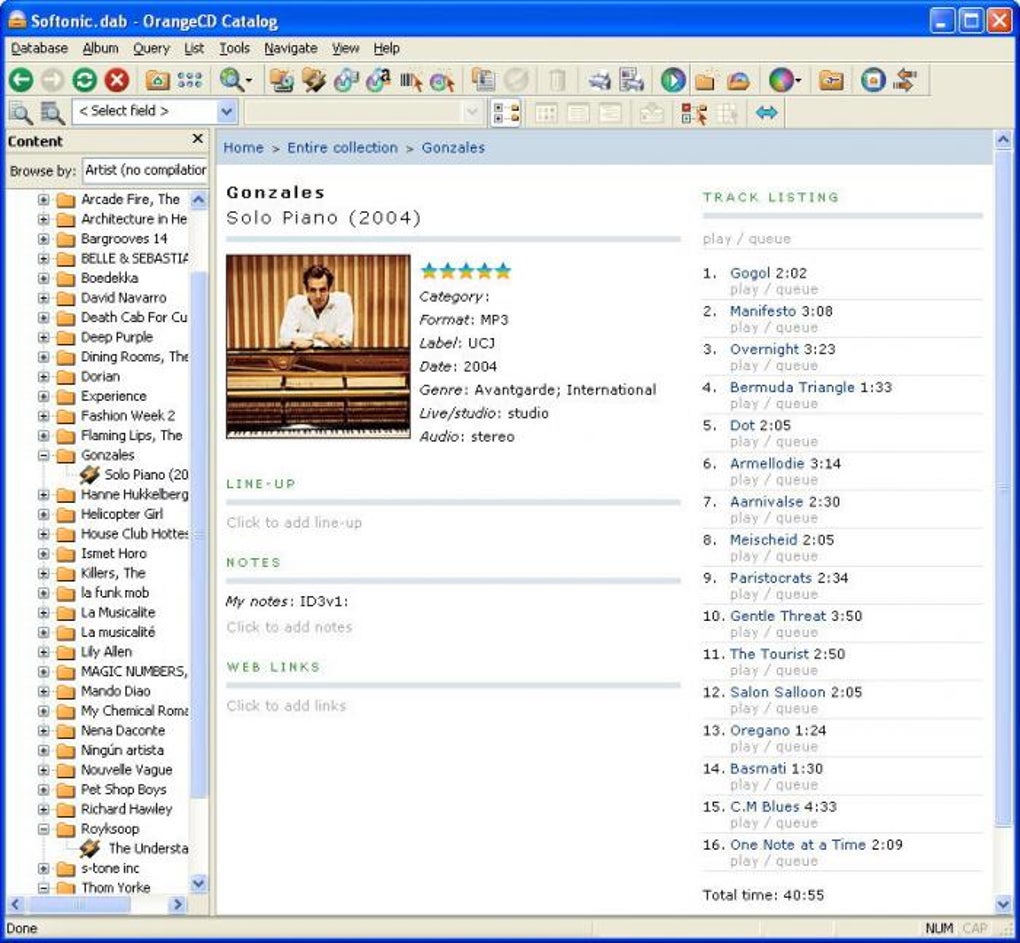
Orange CD Catalogue

We’ll deploy the solution to our little Raspberry Pi, so it can be used anywhere in our network. Ultimately we could use it to stream the albums I’ve ripped to MP3. If my son wants/needs to learn a little bit about databases – then migrating the data into something like SQLLite becomes a simple development opportunity.

This does mean some prep work and including part of the solution, so something works very quickly. For me that’s fine, my Python web skills could benefit from some work and Jinja2 is new to me. But I could take the project embed suitable security and deploy it to my free Oracle cloud instance as a container into K8s. Those bits I won’t be sharing (minimize the risk of someone wanting to test how well I patch code etc).

Feel free to take the code and use it for yourself, extend, etc. But you don’t have to use my idea. The important thing is the idea is going to interest your child. But keep it simple. for example, if your child is a gamer, then perhaps you generate a simple data extract from the gaming servers to capture player performance, then your app does simple things like searching the content, sorting it, and providing a vanilla UI. The secret I think is each bit of the project is simple steps and not over well with heaps of code. Provide results quickly for example just search for an album by its title, and get the results into a webpage quickly.

Share this:

  • Click to share on Facebook (Opens in new window) Facebook
  • Click to share on X (Opens in new window) X
  • Click to share on Pocket (Opens in new window) Pocket
  • Click to share on Reddit (Opens in new window) Reddit
  • Click to email a link to a friend (Opens in new window) Email
  • Click to share on WhatsApp (Opens in new window) WhatsApp
  • Click to print (Opens in new window) Print
  • Click to share on Tumblr (Opens in new window) Tumblr
  • Click to share on Mastodon (Opens in new window) Mastodon
  • Click to share on Pinterest (Opens in new window) Pinterest
  • More
  • Click to share on Bluesky (Opens in new window) Bluesky
  • Click to share on LinkedIn (Opens in new window) LinkedIn
Like Loading...

Kubernetes Best Practises – Review & Mindmaps

13 Thursday Jan 2022

Posted by mp3monster in APIs & microservices, Book Reviews, Books, Cloud, Cloud Native, development, General, Technology

≈ 2 Comments

Tags

"best practise", book, Istio, Kubernetes, mindmap, review

I’ve had some time to catch up on books I’d like to read, including Kubernetes Best Practises in the last few weeks. While I think I have a fair handle on Kubernetes, the development of my understanding has been a bit ad-hoc as I’ve dug into different areas as I’ve needed to know more. This meant reading a Dummies/Introduction to entry style guide would, to an extent, likely prove to be a frustrating read. Given this, I went for the best practises book because if I don’t understand the practises, then there are gaps in my understanding still, and I can look at more foundation resources.

As it goes, this book was perfect. It quickly covered the basics of the different aspects of Kubernetes helping to give context to the more advanced aspects, and the best practices become almost a formulated summary in each section. The depth of coverage and detail is certainly very comprehensive, explaining the background of CNI (Container Network Interface) to network-level security within Kubernetes.

The book touched upon Service Meshes such as Istio and Linkerd2 but didn’t go into great depth, but again this is probably down to the fact that Service Mesh ideas are still maturing, and you have initiatives like SMI (Service Mesh Interface still in the CNCF’s sandbox).

In terms of best practices, that really stood out for me:

  • Use of Taints and Tolerations for refined control of pod deployment (Allowing affinity to be controlled to optimise resilience, or direct types of pod deployment to nodes with specialist capabilities such as GPU).
  • There are a lot more differences and options then you might realize in terms of ingress controller capabilities, so take time to identify what you may need from an ingress controller.
  • Don’t forget pods can be scaled vertically with the VPA (Vertical Pod Autoscaler)as well as horizontally through the HPA.
  • While using a managed persistence service will make statement storage a lot easier, stateful sets will give you a very portable solution.

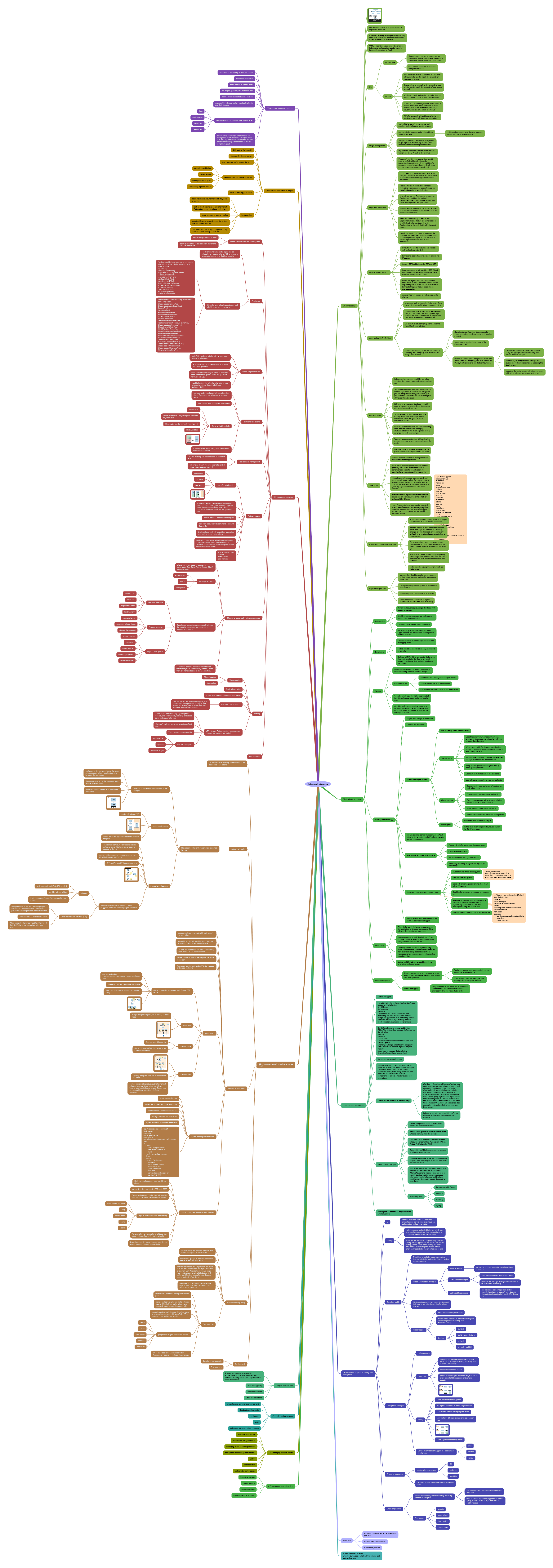
As with a lot of technical books I read. As I go through the book I build up a mind map of what I think are the key points. Doing so leaves me with a resource I can use as a quick reference, but creating the mind map helps reinforce the learning. So here is the mind map …


  • mindmap in iThoughts format
  • mindmap in FreeMind format
  • mindmap as an expanded png

Share this:

  • Click to share on Facebook (Opens in new window) Facebook
  • Click to share on X (Opens in new window) X
  • Click to share on Pocket (Opens in new window) Pocket
  • Click to share on Reddit (Opens in new window) Reddit
  • Click to email a link to a friend (Opens in new window) Email
  • Click to share on WhatsApp (Opens in new window) WhatsApp
  • Click to print (Opens in new window) Print
  • Click to share on Tumblr (Opens in new window) Tumblr
  • Click to share on Mastodon (Opens in new window) Mastodon
  • Click to share on Pinterest (Opens in new window) Pinterest
  • More
  • Click to share on Bluesky (Opens in new window) Bluesky
  • Click to share on LinkedIn (Opens in new window) LinkedIn
Like Loading...

Detailed (Low Level) documentation

10 Friday Dec 2021

Posted by mp3monster in development, General, Technology

≈ Leave a comment

Tags

code, development, documentation

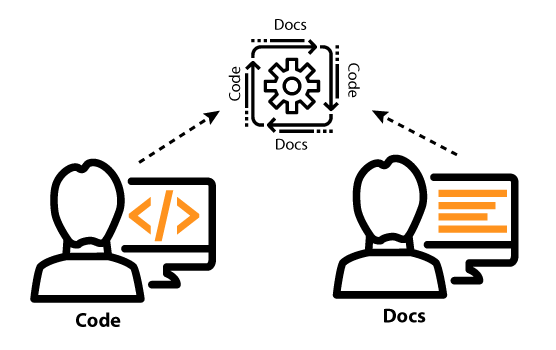
Low level aka detailed design documentation has been an interesting point of debate. We range from the agile manifesto which states focus should be on working code over documentation and people using this as an argument for not producing documentation. On the other end of the spectrum as someone working for a large SI, documentation is more often than not contractually binding and accurate docs are key when taking work from a different supplier organization.

It is clear that documentation is an essential element. But I do agree with the agile manifesto, a business operates on its software, not documents, although the docs help us keep the software maintained and running.

How do we balance the age-old conflicts of …

  • Documents get out of date because they are kept separate from the implementation
  • Documents, particularly when rushed don’t provide the information necessary
  • Document templates having sections used a tickboxes rather than guide rails
  • Making sure we’re working with the most upto date document

Possibilities

One of the key issues for documents getting out of date is a compound issue of accessibility, visibility and ease of maintenance. These compound to separate the documentation from the reality of code and configuration.

This can be eased by bringing documentation to being ‘physically’ closer to the code as we often see with readme markdown files on GitHub for example. But we can get closer with quality code commenting, particularly for each package and module. Just about every code or notation format had its own document generator from well-proven Javadoc to Terradoc for Terraform. To illustrate my point here are a couple of examples:

  • https://docs.oracle.com/javase/8/docs/api/java/io/BufferedReader.html
  • https://ruby-doc.org/stdlib-3.0.3/libdoc/observer/rdoc/Observable.html

If done well the documentation can be generated and deliver the right information. It would mean in structured change management the change task for the code includes the documentation. The ideas behind combining code and documentation can be seen with good API Blueprints.

When you still need to produce publishable documents, you have the opportunity to stitch multiple class and package generated docs together using tools such as pandoc. Arguably it would be the developer’s job to establish the pandoc configuration file (Documentation as Code).

You can add to this if done carefully, by adding diagrams such as UML representations. Importantly this process can generate representations that include lots of detail that would be noise to the key representation (time for tools like Sparx to support annotations that can give hints as to what to show in a generated model).

Pitfalls

The biggest risks of this approach are:

  • People paying lip service to documenting code, or using the argument that agile means no documentation (an age old misrepresentation).
  • Comments reflect the code correctly
  • Assuming the documentation will be clear because it is writte6x n

These pitfalls could be in theory be addressed through some smarts such as comparing the volume documentation generated against the number of lines of code and code complexity metrics.

But like many things, good culture and good application of principles are essential.

Exploring further

There are growing dedicated resources in this space, check out:

  • https://idratherbewriting.com/
  • https://swimm.io/

Share this:

  • Click to share on Facebook (Opens in new window) Facebook
  • Click to share on X (Opens in new window) X
  • Click to share on Pocket (Opens in new window) Pocket
  • Click to share on Reddit (Opens in new window) Reddit
  • Click to email a link to a friend (Opens in new window) Email
  • Click to share on WhatsApp (Opens in new window) WhatsApp
  • Click to print (Opens in new window) Print
  • Click to share on Tumblr (Opens in new window) Tumblr
  • Click to share on Mastodon (Opens in new window) Mastodon
  • Click to share on Pinterest (Opens in new window) Pinterest
  • More
  • Click to share on Bluesky (Opens in new window) Bluesky
  • Click to share on LinkedIn (Opens in new window) LinkedIn
Like Loading...

GitHub Actions on OCI

29 Monday Nov 2021

Posted by mp3monster in development, General, Oracle, Technology

≈ Leave a comment

Tags

actions, Cloud, free, GitHub, OCI, Presentation, runners, slide

Today was the first run of some new presentation material looking at the use of GitHub Actions using Runners deployed on OCI Free Tier. The presentation was actually physical rather than virtual which was after 2 years of virtual presenting, rather refreshing. Not to mention the UKOUG hosted the event at the Oval Cricket ground, which made for an interesting venue. The example configuration is included in our GitHub OCI Utilities repository (as we use this solution to help validate and test our development work).

The presentation itself (which includes screenshots of the setup of a simple Action and runner) is here, note I have disconnected my Runners, but you will be able to see the Action configuration but if you try to trigger activity through my repository then nothing will happen.

GitHub Actions – using Free Oracle Cloud Infrastructure (OCI) from Phil Wilkins
Implementing GitHub Action Handlers (aka Runners) on OCI
Continue reading →

Share this:

  • Click to share on Facebook (Opens in new window) Facebook
  • Click to share on X (Opens in new window) X
  • Click to share on Pocket (Opens in new window) Pocket
  • Click to share on Reddit (Opens in new window) Reddit
  • Click to email a link to a friend (Opens in new window) Email
  • Click to share on WhatsApp (Opens in new window) WhatsApp
  • Click to print (Opens in new window) Print
  • Click to share on Tumblr (Opens in new window) Tumblr
  • Click to share on Mastodon (Opens in new window) Mastodon
  • Click to share on Pinterest (Opens in new window) Pinterest
  • More
  • Click to share on Bluesky (Opens in new window) Bluesky
  • Click to share on LinkedIn (Opens in new window) LinkedIn
Like Loading...

DevOps with Flexagon

14 Thursday Oct 2021

Posted by mp3monster in Books, development, General, Technology

≈ Leave a comment

Tags

devops, external, external publications, Flexagon, Flexdeploy, Paper

Through my day job at Capgemini UK I have regular dealings with Flexagon as we use their FlexDeploy product with a number of customers (as we do recommend the product). Recently I was invited to contribute to a paper being developed by the Flexagon team. The fruits of the collaboration are now available at https://info.flexagon.com/ebook/devops-for-developers. The Flexagon team have done a nice job with it, and we’d recommend taking a look if you’re wanting to know more about DevOps and CI/CD.

The paper is completely free of sales pitch – completely devoid of product references which makes for a good read.

https://info.flexagon.com/ebook/devops-for-developers

Share this:

  • Click to share on Facebook (Opens in new window) Facebook
  • Click to share on X (Opens in new window) X
  • Click to share on Pocket (Opens in new window) Pocket
  • Click to share on Reddit (Opens in new window) Reddit
  • Click to email a link to a friend (Opens in new window) Email
  • Click to share on WhatsApp (Opens in new window) WhatsApp
  • Click to print (Opens in new window) Print
  • Click to share on Tumblr (Opens in new window) Tumblr
  • Click to share on Mastodon (Opens in new window) Mastodon
  • Click to share on Pinterest (Opens in new window) Pinterest
  • More
  • Click to share on Bluesky (Opens in new window) Bluesky
  • Click to share on LinkedIn (Opens in new window) LinkedIn
Like Loading...

Automating OCI Tasks with OCI Python SDK #JoelKallmanDay

11 Monday Oct 2021

Posted by mp3monster in Cloud, development, General, Oracle, Oracle Cloud Native, Technology

≈ Leave a comment

Tags

#JoelKallmanDay, community, Joel Kallman, OCI, Oracle, python, SDK, Tim Hall

This isn’t the first time I’ve written about the Oracle Cloud SDK (check here), but it seems rather fitting, as some of the utilities I’ve been working on are open to the community, and #JoelKallmanDay is all about community. If you’d like to know more about #JoelKallmanDay then checkout Tim Hall’s blog here.

Oracle have provided a very rich API and then overlaid it with a number of SDKs in Python, Java etc. The SDKs immediately remove the work of creating connections and correct payloads. Taking the Python SDK for example, all I need to do is create a standard configuration file with all the necessary connection properties to my OCI instance. Then it’s simply a case of creating the correct Python object for the correct group of services wanted. Then it’s down to populating the object attributes. This is the illustration of exactly what a good SDK does. I can lean on my IDE to use the correct set and get operators. The code for establishing a connection is done for me.

What I’ve found most striking is the level of consistency in the methods provided by the SDK regardless of the service. This makes it very easy to develop functionality without needing to check every API before I can write any code. it would be easy to say, so what. But when you look at the breadth of the OCI services it becomes more impressive.

The convenience doesn’t end there. Rather than having to run your utilities from a local command line (Python means we’re pretty much OS agnostic), the Oracle Cloud shell is preconfigured with Python, OCI SDK, GitHub and FTP server and basic Linux text editors. The all amounts to the fact that you can use your scripts/tools from within the web UI of OCI. Edit your credentials file locally, push and pull any changes to the scripts from the shell and any Git repo such as GitHub.

With this insight, we just need to build that catalogue of accelerator tools to make those repetitive processes just a little easier. For example ensuring that when you tear down your manually created services all interlinked entities are deleted first (which can be troublesome with policies, groups, compartments and so on).

Share this:

  • Click to share on Facebook (Opens in new window) Facebook
  • Click to share on X (Opens in new window) X
  • Click to share on Pocket (Opens in new window) Pocket
  • Click to share on Reddit (Opens in new window) Reddit
  • Click to email a link to a friend (Opens in new window) Email
  • Click to share on WhatsApp (Opens in new window) WhatsApp
  • Click to print (Opens in new window) Print
  • Click to share on Tumblr (Opens in new window) Tumblr
  • Click to share on Mastodon (Opens in new window) Mastodon
  • Click to share on Pinterest (Opens in new window) Pinterest
  • More
  • Click to share on Bluesky (Opens in new window) Bluesky
  • Click to share on LinkedIn (Opens in new window) LinkedIn
Like Loading...

LogSimulator new features

03 Friday Sep 2021

Posted by mp3monster in development, Fluentd, General, logsimulator, Technology

≈ Leave a comment

Tags

Log, logging, tool, utility

The log simulator we’ve built and written about in the past has had a release made that lines up with the Logging In Action book (v0.1). I am now continuing to add improvements on the main line. Not best Git branching practice, but as I’m working on this solo it doesn’t represent a problem.

If you expect multi line events all you need to do, is add to the properties file a name value pair, with the name FIRSTOFMULTILINEREGEX and the value is a Java/Groovy regular expression which can be used to determine if a line in a log entry is the 1st line in a new log. Then all subsequent log lines are appended to the previous line until a line identifies as a new log entry. The log entry will be written with newline characters in the same place as the read.

In addition to this if the synthetic log events need to be set to be new line then using the ALLOWNL property to be set to true will result in any new line escape sequences (\n) to be made into proper new lines in the output.

The details are all included in the documentation in GitHub.

Continue reading →

Share this:

  • Click to share on Facebook (Opens in new window) Facebook
  • Click to share on X (Opens in new window) X
  • Click to share on Pocket (Opens in new window) Pocket
  • Click to share on Reddit (Opens in new window) Reddit
  • Click to email a link to a friend (Opens in new window) Email
  • Click to share on WhatsApp (Opens in new window) WhatsApp
  • Click to print (Opens in new window) Print
  • Click to share on Tumblr (Opens in new window) Tumblr
  • Click to share on Mastodon (Opens in new window) Mastodon
  • Click to share on Pinterest (Opens in new window) Pinterest
  • More
  • Click to share on Bluesky (Opens in new window) Bluesky
  • Click to share on LinkedIn (Opens in new window) LinkedIn
Like Loading...

Oracle Cloud + GitHub Actions

05 Monday Jul 2021

Posted by mp3monster in Cloud, development, General, Oracle, Technology

≈ Leave a comment

Tags

@oracledevs, @soacommunity, actions, always free, arm, CICD, Cloud, flake8, free, GitHub, OCI, Oracle, pytest, python, unit test

While there is a deserved amount of publicity around the introduction of ARM compute onto OCI with the ARM Ampere CPU offering, and the amazing level of always free compute being provided (24GB of memory and 4 cores which can be used in any combination of servers). There have been some interesting announcements that perhaps haven’t drawn as much attention that they deserve. This includes OCI support for GitHub Actions, plus several new DevOps services and an Artifact Registry. We’ll comeback to the new services in another post. Today, let’s look at GitHub Actions.

Continue reading →

Share this:

  • Click to share on Facebook (Opens in new window) Facebook
  • Click to share on X (Opens in new window) X
  • Click to share on Pocket (Opens in new window) Pocket
  • Click to share on Reddit (Opens in new window) Reddit
  • Click to email a link to a friend (Opens in new window) Email
  • Click to share on WhatsApp (Opens in new window) WhatsApp
  • Click to print (Opens in new window) Print
  • Click to share on Tumblr (Opens in new window) Tumblr
  • Click to share on Mastodon (Opens in new window) Mastodon
  • Click to share on Pinterest (Opens in new window) Pinterest
  • More
  • Click to share on Bluesky (Opens in new window) Bluesky
  • Click to share on LinkedIn (Opens in new window) LinkedIn
Like Loading...

Extracting Dependencies and Versions for a Node Solution

15 Monday Feb 2021

Posted by mp3monster in development, NodeJS Cloud, Technology

≈ Leave a comment

Tags

jason, JQ, node.js, npm, parser

We have had a requirement from a customer to be able define every package including dependencies within a Node solution (as it happens Apollo GraphQL), not only the complete download path but the version numbering as well. There are many ways to solve this problem. But here is an elegant(?) and portable answer. To ensure that we don’t get pollution from a global node space we created a project package in an empty folder using:

 npm init --yes

This defaults all the package,json settings which for our requirements is fine. Then in the same location its npm install <product from the npm registry to pull> e.g. for Apollo GraphQL:

npm install apollo-server graphql

This will bring down to your npm project all the dependencies putting them in the node_modules child folder. We’re now in a position to retrieve all the details of the packages, their dependencies and version information. This can be done by using the command:

npm list --json
Continue reading →

Share this:

  • Click to share on Facebook (Opens in new window) Facebook
  • Click to share on X (Opens in new window) X
  • Click to share on Pocket (Opens in new window) Pocket
  • Click to share on Reddit (Opens in new window) Reddit
  • Click to email a link to a friend (Opens in new window) Email
  • Click to share on WhatsApp (Opens in new window) WhatsApp
  • Click to print (Opens in new window) Print
  • Click to share on Tumblr (Opens in new window) Tumblr
  • Click to share on Mastodon (Opens in new window) Mastodon
  • Click to share on Pinterest (Opens in new window) Pinterest
  • More
  • Click to share on Bluesky (Opens in new window) Bluesky
  • Click to share on LinkedIn (Opens in new window) LinkedIn
Like Loading...

Virtual Developer Meetups

15 Monday Jun 2020

Posted by mp3monster in Cloud, Dev Meetup, development, General, Oracle, Technology

≈ Leave a comment

Tags

charity, development, hackerthon, meetup, Oracle

With the impact of Covid19 on the Meetup community really hitting, the Oracle Developer Meetups across Europe have got together and gone on-line. We’re several events in now, whilst Lucas Jellema (AMIS) and Rolando Carrasco (SPS) are leading the charge with a great series of sessions focusing Oracle Cloud Native services complete with practical labs.

Today was one of my sessions, whilst I only co-hosted, we got to hear a great presentation with a heart warming story which in this challenging times seems all the more appropriate. Christian McCabe (Steltix) and Filip Huysmans (Contribute) presented on how a multinational hackerthon spanning South Africa to Belgium was put together to only help children of Christel House (a charity who work to provide education to those who would not normally get access to it). Not only was the hackerthon engineered to given the students a chance to learn and experience software development in a pretty realistic context, it also provided the school with some software to help their everyday activities, in this case managing books in their library.

The hackerthon yielded a lot of successful outcomes (Steltix wrote about it here), but, what was really interesting is that whilst working with the school, children and interns (from both Steltix and Contribute) took a lot lessons away as well.

The Meetup recording can be found here.

Finally we should thank Geertjan Wielenga who facilitated and supported the development of the hackerthon.

If you want to know more about the virtual meetups then check our meetup page (https://www.meetup.com/Oracle-Developer-Meetup-London) for both virtual events, and when things change so we can all be a lot closer and be sharing pizza again.

Share this:

  • Click to share on Facebook (Opens in new window) Facebook
  • Click to share on X (Opens in new window) X
  • Click to share on Pocket (Opens in new window) Pocket
  • Click to share on Reddit (Opens in new window) Reddit
  • Click to email a link to a friend (Opens in new window) Email
  • Click to share on WhatsApp (Opens in new window) WhatsApp
  • Click to print (Opens in new window) Print
  • Click to share on Tumblr (Opens in new window) Tumblr
  • Click to share on Mastodon (Opens in new window) Mastodon
  • Click to share on Pinterest (Opens in new window) Pinterest
  • More
  • Click to share on Bluesky (Opens in new window) Bluesky
  • Click to share on LinkedIn (Opens in new window) LinkedIn
Like Loading...
← Older posts
Newer posts →

    I work for Oracle, all opinions here are my own & do not necessarily reflect the views of Oracle

    • About
      • Internet Profile
      • Music Buying
      • Presenting Activities
    • Books & Publications
      • Logging in Action with Fluentd, Kubernetes and More
      • Logs and Telemetry using Fluent Bit
      • Oracle Integration
      • API & API Platform
        • API Useful Resources
        • Useful Reading Sources
    • Mindmaps Index
    • Monster On Music
      • Music Listening
      • Music Reading
    • Oracle Resources
    • Useful Tech Resources
      • Fluentd & Fluent Bit Additional stuff
        • Logging Frameworks and Fluent Bit and Fluentd connectivity
        • REGEX for BIC and IBAN processing
      • Java and Graal Useful Links
      • Official Sources for Product Logos
      • Python Setup & related tips
      • Recommended Tech Podcasts

    Oracle Ace Director Alumni

    TOGAF 9

    Logs and Telemetry using Fluent Bit


    Logging in Action — Fluentd

    Logging in Action with Fluentd


    Oracle Cloud Integration Book


    API Platform Book


    Oracle Dev Meetup London

    Blog Categories

    • App Ideas
    • Books
      • Book Reviews
      • manning
      • Oracle Press
      • Packt
    • Enterprise architecture
    • General
      • economy
      • ExternalWebPublications
      • LinkedIn
      • Website
    • Music
      • Music Resources
      • Music Reviews
    • Photography
    • Podcasts
    • Technology
      • AI
      • APIs & microservices
      • chatbots
      • Cloud
      • Cloud Native
      • Dev Meetup
      • development
        • languages
          • java
          • node.js
      • drone
      • Fluentbit
      • Fluentd
      • logsimulator
      • mindmap
      • OMESA
      • Oracle
        • API Platform CS
          • tools
        • Helidon
        • ITSO & OEAF
        • Java Cloud
        • NodeJS Cloud
        • OIC – ICS
        • Oracle Cloud Native
        • OUG
      • railroad diagrams
      • TOGAF
    • xxRetired
    • AI
    • API Platform CS
    • APIs & microservices
    • App Ideas
    • Book Reviews
    • Books
    • chatbots
    • Cloud
    • Cloud Native
    • Dev Meetup
    • development
    • drone
    • economy
    • Enterprise architecture
    • ExternalWebPublications
    • Fluentbit
    • Fluentd
    • General
    • Helidon
    • ITSO & OEAF
    • java
    • Java Cloud
    • languages
    • LinkedIn
    • logsimulator
    • manning
    • mindmap
    • Music
    • Music Resources
    • Music Reviews
    • node.js
    • NodeJS Cloud
    • OIC – ICS
    • OMESA
    • Oracle
    • Oracle Cloud Native
    • Oracle Press
    • OUG
    • Packt
    • Photography
    • Podcasts
    • railroad diagrams
    • Technology
    • TOGAF
    • tools
    • Website
    • xxRetired

    Enter your email address to subscribe to this blog and receive notifications of new posts by email.

    Join 2,555 other subscribers

    RSS

    RSS Feed RSS - Posts

    RSS Feed RSS - Comments

    January 2026
    M T W T F S S
     1234
    567891011
    12131415161718
    19202122232425
    262728293031  
    « Nov    

    Twitter

    Tweets by mp3monster

    History

    Speaker Recognition

    Open Source Summit Speaker

    Flickr Pics

    Gogo Penguin at the BarbicanGogo Penguin at the BarbicanGogo Penguin at the BarbicanGogo Penguin at the Barbican
    More Photos

    Social

    • View @mp3monster’s profile on Twitter
    • View philwilkins’s profile on LinkedIn
    • View mp3monster’s profile on GitHub
    • View mp3monster’s profile on Flickr
    • View mp3muncher’s profile on WordPress.org
    • View philmp3monster’s profile on Twitch
    Follow Phil (aka MP3Monster)'s Blog on WordPress.com

    Blog at WordPress.com.

    • Subscribe Subscribed
      • Phil (aka MP3Monster)'s Blog
      • Join 233 other subscribers
      • Already have a WordPress.com account? Log in now.
      • Phil (aka MP3Monster)'s Blog
      • Subscribe Subscribed
      • Sign up
      • Log in
      • Report this content
      • View site in Reader
      • Manage subscriptions
      • Collapse this bar
     

    Loading Comments...
     

    You must be logged in to post a comment.

      Privacy & Cookies: This site uses cookies. By continuing to use this website, you agree to their use.
      To find out more, including how to control cookies, see here: Our Cookie Policy
      %d