• Home
  • Site Aliases
    • www.cloud-native.info
  • About
    • Background
    • Presenting Activities
    • Internet Profile
      • LinkedIn
    • About
  • Books & Publications
    • Log Generator
    • Logs and Telemetry using Fluent Bit
      • Fluent Bit book
      • Book Resources in GitHub
      • Fluent Bit Classic to YAML Format configurations
    • Logging in Action with Fluentd, Kubernetes and More
      • Logging in Action with Fluentd – Book
      • Fluentd Book Resources
      • Fluentd & Fluent Bit Additional stuff
    • API & API Platform
      • API Useful Resources
    • Oracle Integration
      • Book Website
      • Useful Reading Sources
    • Publication Contributions
  • Resources
    • GitHub
    • Oracle Integration Site
    • Oracle Resources
    • Mindmaps Index
    • Useful Tech Resources
      • Fluentd & Fluent Bit Additional stuff
      • Recommended Tech Podcasts
      • Official Sources for Product Logos
      • Java and Graal Useful Links
      • Python Setup & related stuff
  • Music
    • Monster On Music
    • Music Listening
    • Music Reading

Phil (aka MP3Monster)'s Blog

~ from Technology to Music

Phil (aka MP3Monster)'s Blog

Tag Archives: Oracle

Automating OCI Tasks with OCI Python SDK #JoelKallmanDay

11 Monday Oct 2021

Posted by mp3monster in Cloud, development, General, Oracle, Oracle Cloud Native, Technology

≈ Leave a comment

Tags

#JoelKallmanDay, community, Joel Kallman, OCI, Oracle, python, SDK, Tim Hall

This isn’t the first time I’ve written about the Oracle Cloud SDK (check here), but it seems rather fitting, as some of the utilities I’ve been working on are open to the community, and #JoelKallmanDay is all about community. If you’d like to know more about #JoelKallmanDay then checkout Tim Hall’s blog here.

Oracle have provided a very rich API and then overlaid it with a number of SDKs in Python, Java etc. The SDKs immediately remove the work of creating connections and correct payloads. Taking the Python SDK for example, all I need to do is create a standard configuration file with all the necessary connection properties to my OCI instance. Then it’s simply a case of creating the correct Python object for the correct group of services wanted. Then it’s down to populating the object attributes. This is the illustration of exactly what a good SDK does. I can lean on my IDE to use the correct set and get operators. The code for establishing a connection is done for me.

What I’ve found most striking is the level of consistency in the methods provided by the SDK regardless of the service. This makes it very easy to develop functionality without needing to check every API before I can write any code. it would be easy to say, so what. But when you look at the breadth of the OCI services it becomes more impressive.

The convenience doesn’t end there. Rather than having to run your utilities from a local command line (Python means we’re pretty much OS agnostic), the Oracle Cloud shell is preconfigured with Python, OCI SDK, GitHub and FTP server and basic Linux text editors. The all amounts to the fact that you can use your scripts/tools from within the web UI of OCI. Edit your credentials file locally, push and pull any changes to the scripts from the shell and any Git repo such as GitHub.

With this insight, we just need to build that catalogue of accelerator tools to make those repetitive processes just a little easier. For example ensuring that when you tear down your manually created services all interlinked entities are deleted first (which can be troublesome with policies, groups, compartments and so on).

Share this:

  • Click to share on Facebook (Opens in new window) Facebook
  • Click to share on X (Opens in new window) X
  • Click to share on Pocket (Opens in new window) Pocket
  • Click to share on Reddit (Opens in new window) Reddit
  • Click to email a link to a friend (Opens in new window) Email
  • Click to share on WhatsApp (Opens in new window) WhatsApp
  • Click to print (Opens in new window) Print
  • Click to share on Tumblr (Opens in new window) Tumblr
  • Click to share on Mastodon (Opens in new window) Mastodon
  • Click to share on Pinterest (Opens in new window) Pinterest
  • More
  • Click to share on Bluesky (Opens in new window) Bluesky
  • Click to share on LinkedIn (Opens in new window) LinkedIn
Like Loading...

Integration Cloud or SOA Suite?

02 Thursday Sep 2021

Posted by mp3monster in Cloud, General, OIC - ICS, Oracle, Technology

≈ 2 Comments

Tags

ICS, integration, OIC, Oracle, SOA, SOA Suite

A periodic conversation I get involved is the the relationship between Oracle’s SOA Suite and Integration Cloud. We’ve long held a view based on our conversations with Oracle product management.

There is a formal statement of direction for SOA Suite available ….

Click to access fusion-middleware-statement-of-direction.pdf

The bottom line as we read it:

  • SOA Suite isn’t going to be scrapped and customers will not be forced onto Integration Cloud.
  • Future changes are going to be on making transitions easier to the cloud, and a customer decision to adopt OIC.
  • Releases will focus on keeping things up to date and aligned with the underlying technologies from Java 8 to Java 11 as a long term release of Java. WebLogic version updates.
  • We’ll see mechanisms to cloud deliver integrations as the primary focus.
Continue reading →

Share this:

  • Click to share on Facebook (Opens in new window) Facebook
  • Click to share on X (Opens in new window) X
  • Click to share on Pocket (Opens in new window) Pocket
  • Click to share on Reddit (Opens in new window) Reddit
  • Click to email a link to a friend (Opens in new window) Email
  • Click to share on WhatsApp (Opens in new window) WhatsApp
  • Click to print (Opens in new window) Print
  • Click to share on Tumblr (Opens in new window) Tumblr
  • Click to share on Mastodon (Opens in new window) Mastodon
  • Click to share on Pinterest (Opens in new window) Pinterest
  • More
  • Click to share on Bluesky (Opens in new window) Bluesky
  • Click to share on LinkedIn (Opens in new window) LinkedIn
Like Loading...

Another post on blogs.oracle.com

19 Monday Jul 2021

Posted by mp3monster in Cloud, General, Oracle, Technology

≈ Leave a comment

Tags

blog, OCI, Oracle

Just a quick post to say that I’ve had another post published over on Oracle’s blog site about Automating developer setup in Oracle Cloud Infrastructure. You can read it at: https://blogs.oracle.com/cloud-infrastructure/post/automating-developer-setup-in-oci

Share this:

  • Click to share on Facebook (Opens in new window) Facebook
  • Click to share on X (Opens in new window) X
  • Click to share on Pocket (Opens in new window) Pocket
  • Click to share on Reddit (Opens in new window) Reddit
  • Click to email a link to a friend (Opens in new window) Email
  • Click to share on WhatsApp (Opens in new window) WhatsApp
  • Click to print (Opens in new window) Print
  • Click to share on Tumblr (Opens in new window) Tumblr
  • Click to share on Mastodon (Opens in new window) Mastodon
  • Click to share on Pinterest (Opens in new window) Pinterest
  • More
  • Click to share on Bluesky (Opens in new window) Bluesky
  • Click to share on LinkedIn (Opens in new window) LinkedIn
Like Loading...

Oracle Cloud + GitHub Actions

05 Monday Jul 2021

Posted by mp3monster in Cloud, development, General, Oracle, Technology

≈ Leave a comment

Tags

@oracledevs, @soacommunity, actions, always free, arm, CICD, Cloud, flake8, free, GitHub, OCI, Oracle, pytest, python, unit test

While there is a deserved amount of publicity around the introduction of ARM compute onto OCI with the ARM Ampere CPU offering, and the amazing level of always free compute being provided (24GB of memory and 4 cores which can be used in any combination of servers). There have been some interesting announcements that perhaps haven’t drawn as much attention that they deserve. This includes OCI support for GitHub Actions, plus several new DevOps services and an Artifact Registry. We’ll comeback to the new services in another post. Today, let’s look at GitHub Actions.

Continue reading →

Share this:

  • Click to share on Facebook (Opens in new window) Facebook
  • Click to share on X (Opens in new window) X
  • Click to share on Pocket (Opens in new window) Pocket
  • Click to share on Reddit (Opens in new window) Reddit
  • Click to email a link to a friend (Opens in new window) Email
  • Click to share on WhatsApp (Opens in new window) WhatsApp
  • Click to print (Opens in new window) Print
  • Click to share on Tumblr (Opens in new window) Tumblr
  • Click to share on Mastodon (Opens in new window) Mastodon
  • Click to share on Pinterest (Opens in new window) Pinterest
  • More
  • Click to share on Bluesky (Opens in new window) Bluesky
  • Click to share on LinkedIn (Opens in new window) LinkedIn
Like Loading...

New and coming to a screen near you soon

31 Monday May 2021

Posted by mp3monster in Books, Fluentd, General, manning, Oracle, Technology

≈ Leave a comment

Tags

API, Fluentd, logging, Logging in Action, OCI, Oracle, OraWorld

Last night saw the final chapter of Logging in Action with Fluentd go back to my editor. The next step is that Chapter (and others I hope) will go to MEAP, so early readers not only get the final chapter, but also the raft of improvements we’ve made. Along with that, the manuscript goes for a full peers review. Once that’s back, its time for a round of edits as I address the feedback then into copy editing and Manning sign off review.

As you might have guessed, we’ve kept busy with an article in the 25th edition of OraWorld. This follows Part 1 talking about GraphQL with a look at considerations for API Security.

In addition to that we’re working on a piece around automation of OCI management activities such as setting up developers, allowing them a level of freedom to experiment without accidentally burning through all your credits by spinning up Exadata servers or 500 node Kubernetes clusters.

We might even have some time to write more about APIs and integration.

Share this:

  • Click to share on Facebook (Opens in new window) Facebook
  • Click to share on X (Opens in new window) X
  • Click to share on Pocket (Opens in new window) Pocket
  • Click to share on Reddit (Opens in new window) Reddit
  • Click to email a link to a friend (Opens in new window) Email
  • Click to share on WhatsApp (Opens in new window) WhatsApp
  • Click to print (Opens in new window) Print
  • Click to share on Tumblr (Opens in new window) Tumblr
  • Click to share on Mastodon (Opens in new window) Mastodon
  • Click to share on Pinterest (Opens in new window) Pinterest
  • More
  • Click to share on Bluesky (Opens in new window) Bluesky
  • Click to share on LinkedIn (Opens in new window) LinkedIn
Like Loading...

Blog Post on Oracle.com and more

19 Wednesday May 2021

Posted by mp3monster in General, Oracle, Technology

≈ Leave a comment

Tags

blog, book, Capgemini, conference, Fluentd, IaaS, manning, monitoring, OCI, Oracle, WorldFestival

We recently received an invite to write a guest blog post for Oracle. We’re please to say it has gone live, and can be found at https://blogs.oracle.com/cloud-infrastructure/oracle-cloud-infrastructure-logging-and-alert-rapid-smoke-testing-of-config-and-alerts. A little different to my typical posts. Hope you find it interesting.

Opening of the blog post on blogs.oracle.com
my Author Profile on blogs.oracle.com

World Festival Conference

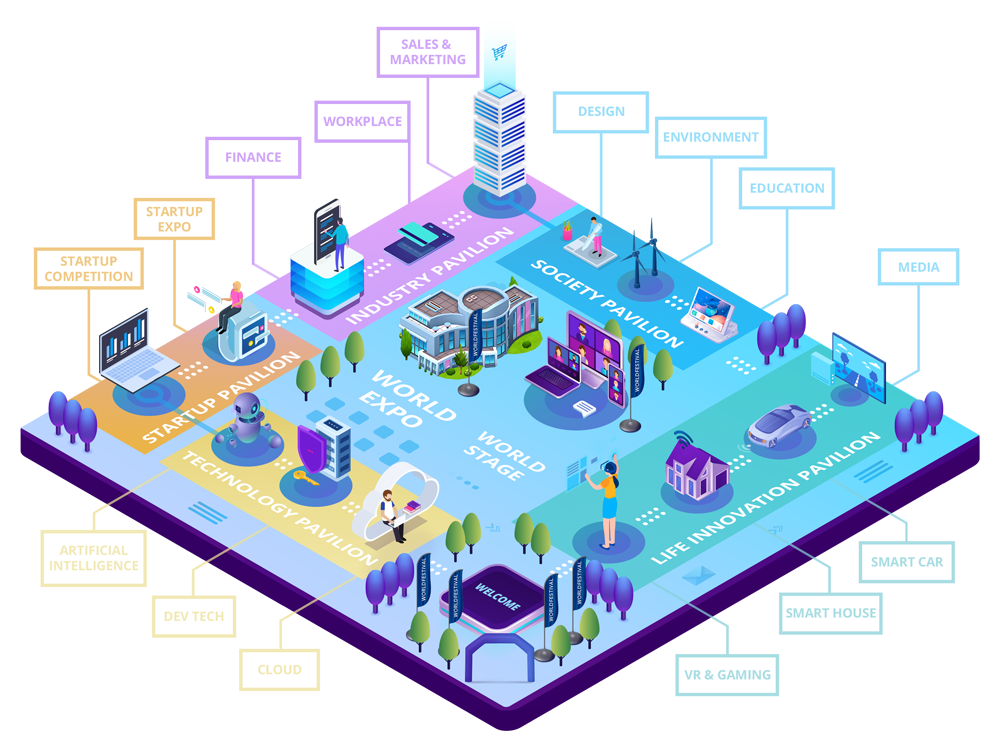
We’ve also scored another success, this time we’ve been invited to speak at WorldFestival in August, this is an online conference organized by the same team behind DeveloperWeek. This is the first time outside of an Oracle linked event where I’ve been amongst the first few named speakers, so proud of that. The conference looks really interesting as it looks beyond just core developer themes with conference tracks on Space & Transportation, Smart Cities, Robotics, Digital Health to name a few of the 12 streams. Worth checking out.

WorldFestival Conference
World Festival Conference Themes

Share this:

  • Click to share on Facebook (Opens in new window) Facebook
  • Click to share on X (Opens in new window) X
  • Click to share on Pocket (Opens in new window) Pocket
  • Click to share on Reddit (Opens in new window) Reddit
  • Click to email a link to a friend (Opens in new window) Email
  • Click to share on WhatsApp (Opens in new window) WhatsApp
  • Click to print (Opens in new window) Print
  • Click to share on Tumblr (Opens in new window) Tumblr
  • Click to share on Mastodon (Opens in new window) Mastodon
  • Click to share on Pinterest (Opens in new window) Pinterest
  • More
  • Click to share on Bluesky (Opens in new window) Bluesky
  • Click to share on LinkedIn (Opens in new window) LinkedIn
Like Loading...

Oracle Developer Meetups – Gone Virtual

21 Monday Dec 2020

Posted by mp3monster in Dev Meetup, General, Technology

≈ 1 Comment

Tags

2021, @GeertjanW, @jurgenkress, Angelo Santagata, Chris Petyier, Christian McCabe, developer, Filip Huysmans, Grant Ronald, Lucas Jellema, Martien van den Akker, meetup, Niall Commiskey, Oracle, Rolando Carrasco, virtual

I’ve not posted about the developer meetups for a little while, perhaps because with everything being virtual these days things blur together too much. But its time to put that right (at least a little). So over the last couple of month’s we’ve been fortunate enough to have a couple of Oracle’s guru’s from the A-Team covering some pretty interesting topics.

November saw Chris Peytier exploring the process management side of Integration Cloud and how process management and more traditional integration can come together to offer a very effective solution with example use cases such as the idea of when conditions are not valid for an integration to be executed Chris’ slides are here.

Then this week we had Angelo Santagata complete with Santa hat talking about Serverless as a means to enable SaaS extensions and integrations through the use of Oracle Functions (the cloud-deployed version of Project Fn). You can get the presentation here.

If the slides aren’t enough then you can catch the presentations as videos, Angelo’s is here and I’m sure we’ll see Chris’ made available as well.

2021

I’m excited to say that we have a coyuple of presentations lined up for 2021 already so keep an eye on the London Oracle Developer Meetup. So watch out for the updates in the new year.

Continue reading →

Share this:

  • Click to share on Facebook (Opens in new window) Facebook
  • Click to share on X (Opens in new window) X
  • Click to share on Pocket (Opens in new window) Pocket
  • Click to share on Reddit (Opens in new window) Reddit
  • Click to email a link to a friend (Opens in new window) Email
  • Click to share on WhatsApp (Opens in new window) WhatsApp
  • Click to print (Opens in new window) Print
  • Click to share on Tumblr (Opens in new window) Tumblr
  • Click to share on Mastodon (Opens in new window) Mastodon
  • Click to share on Pinterest (Opens in new window) Pinterest
  • More
  • Click to share on Bluesky (Opens in new window) Bluesky
  • Click to share on LinkedIn (Opens in new window) LinkedIn
Like Loading...

OKit – OCI Design (on Windows)

08 Tuesday Dec 2020

Posted by mp3monster in Cloud, General, Oracle, Technology

≈ 1 Comment

Tags

Ansible, Docker, Linux, OCI, OKit, Oracle, python, Terraform, Windows

OKit is a tremendous tool for the visual design and development for your Oracle Cloud environment. Visualizing your networks, positioning of service gateways and so on makes it a lot easier than filling in web forms or writing Terraform files as you can see the relationships between the different parts far more easily. For the same reason really that a lot of people use Visio and other tools for this work. The real beauty is that OKit can generate the Terraform and Ansible scripting that can then be used to deliver the implementation.

Okit for visual design of Oracle Cloud

The tool isn’t currently an official Oracle product, but something built by the Oracle A-Team (a small team of gurus who have a role blending developer advocacy, architect supporting customers for the special edge cases and providing thought leadership). But we can hope that someone brings it into the fold and perhaps even incorporates it securely into the cloud dashboard. In the mean time, the code in its entirety is available on GitHub.

Continue reading →

Share this:

  • Click to share on Facebook (Opens in new window) Facebook
  • Click to share on X (Opens in new window) X
  • Click to share on Pocket (Opens in new window) Pocket
  • Click to share on Reddit (Opens in new window) Reddit
  • Click to email a link to a friend (Opens in new window) Email
  • Click to share on WhatsApp (Opens in new window) WhatsApp
  • Click to print (Opens in new window) Print
  • Click to share on Tumblr (Opens in new window) Tumblr
  • Click to share on Mastodon (Opens in new window) Mastodon
  • Click to share on Pinterest (Opens in new window) Pinterest
  • More
  • Click to share on Bluesky (Opens in new window) Bluesky
  • Click to share on LinkedIn (Opens in new window) LinkedIn
Like Loading...

Data Integration with Oracle

15 Tuesday Sep 2020

Posted by mp3monster in Cloud, General, Oracle, Technology

≈ Leave a comment

Tags

Cloud, data, DIPC, integration, marketplace, OCI, ODI, ODI CS, Oracle, Spark

Oracle’s data integration product landscape outside of GoldenGate has with the arrival of Oracle Cloud been confusing at times. This has meant finding the right product documentation can be challenging, and knowing which product to use in your own technology road-map can be harder to formulate. I believe the landscape is starting to settle now. But to understand the position, let’s look at the causes of disturbance and the changes that have occurred.

Why the complexity?

This has come from I think a couple of key factors. The organizational challenges triggered by Thomas Kurian’s departure which has resulted in rather than the product organization being essentially in three parts aligning roughly to Infrastructure, Platform and Applications to being two Infrastructure and Apps. Add to this Oracle’s cloud has gone through two revolutions. Generation 1 now called Classic was essentially a recognition that they needed an answer to Microsoft, Google and AWS quickly (Oracle are now migrating customers off classic). Then came Generation 2, which is a more considered strategy which is leveraging not just the lowest level stack of virtualization (network and compute), but driving changes all the way through the internals of applications by having them leverage common technologies such as microservices along with a raft of software services such as monitoring, logging, metering, events, notifications, FaaS and so on. Essentially all the services they offer are also integral to their own offerings. The nice thing about Gen2 is you can see a strong alignment to CNCF (Cloud Native Compute Foundation) along with other open public standards (formal or de-facto such as Microprofile with Helidon and Apache). As a result despite the perceptions of Oracle, modern apps are standard a better chance of portability.

Impact on ODI

Oracle’s Data Integration capabilities, cloud or otherwise have been best known as Oracle Data Integrator or ODI. The original ODI was the data equivelent of SOA Suite implementing Extract Load Transform (ELT) rather than ETL as it meant the Oracle DB was fully leveraged. This was built on the WebLogic server.

Along Came Cloud

Oracle cloud came along, and there is a natural need for ODI capabilities. Like SOA Suite, the first evolution was to provide ODI Cloud Service just like SOA Suite had SOA Cloud Service. Both are essentially the same on-premises product with UIs to manage deployment and configuration.

ODI’s cloud transformation for the cloud lead ODI CS evolving into DIPC (Data Integration Platform Cloud). Very much an evolution, but with a more web centered experience for designing the integrations. However, DIPC is no longer available (except possible to customers already using it).

Whilst DIPC had been evolving the requirement to continue with on-premises ODI capabilities is needed. Whilst we don’t know for sure, we can speculate that there was divergent development happening creating overhead as ODI as an on-prem solution remained. We then saw the arrival of ODI Marketplace, this provides an easier transition, including taking into account licensing considerations. DIPC has been superseded by ODI Marketplace.

Marketplace

Oracle has developed a Marketplace just like the other major players so that 3rd party vendors could offer their technologies on the Oracle cloud, just as you can with Azure and AWS. But Oracle have also exploited it to offer their traditional products normally associated with on-premise deployments in the cloud. As a result we saw ODI Marketplace. A smart move as it offers the possibility of exploiting on-prem licensing into the cloud along with portability.

So far the ODI capabilities in its different forms continued to leverage its WebLogic foundations. But by this time the Gen2 Oracle Cloud and the organizational structures behind it has been well established, and working up the value stack. Those products in the middleware space have been impacted by both the technology strategies and organization. As a result API for example have been aligned to the OCI native space, but Integration Cloud has been moved towards the Apps space. in many respects this reflects a low code vs code native model.

OCI ODI

Earlier this year (2020) Oracle launched a brand new ODI product, to use its full name Oracle Cloud Infrastructure Data Integration. This is an OCI native (i.e. Gen2 solution leveraging microservices technologies).

This new product appears to be a very much ground up build as it exploits Apache Spark and Function as a Service (FaaS) as foundational elements. As a ground up build, it doesn’t inherit all the adapters the original ODI can offer. This does mean as a solution today it is very focused on some specific needs around supporting the data movement between the various Oracle Cloud storage and Database as a Service solutions rather than general ingestion and extraction processes.

Conclusion

Products are evolving, but the direction of travel appears to be resolving. But we are still in that period where there are capability gaps between the Gen2 native solution and the traditional ODI via Marketplace solution. As a result the question becomes less which product, but when and if I have to invest in using ODI Marketplace how to migrate when the native product catches up.

Share this:

  • Click to share on Facebook (Opens in new window) Facebook
  • Click to share on X (Opens in new window) X
  • Click to share on Pocket (Opens in new window) Pocket
  • Click to share on Reddit (Opens in new window) Reddit
  • Click to email a link to a friend (Opens in new window) Email
  • Click to share on WhatsApp (Opens in new window) WhatsApp
  • Click to print (Opens in new window) Print
  • Click to share on Tumblr (Opens in new window) Tumblr
  • Click to share on Mastodon (Opens in new window) Mastodon
  • Click to share on Pinterest (Opens in new window) Pinterest
  • More
  • Click to share on Bluesky (Opens in new window) Bluesky
  • Click to share on LinkedIn (Opens in new window) LinkedIn
Like Loading...

Meetup – magic of correlations in SOA, BPM and Oracle Integration Cloud

30 Thursday Jul 2020

Posted by mp3monster in Cloud, Dev Meetup, OIC - ICS, Oracle, Technology

≈ 1 Comment

Tags

BPM, correlation, Martien van den Akker, meetup, OIC, Oracle, Presentation, SOA

Earlier this month as part of the Virtual Oracle Developer Meetups, we were very fortunate to have Oracle Ace, Martien van den Akker present on the subject of the magic of correlations in SOA, BPM, and Oracle Integration Cloud. Martien not only presents to the Oracle community but also is very active on the Oracle community sites (community.oracle.com and Cloud Customer Connect) sharing his wealth of knowledge. When it comes to the tough questions about Oracle middleware tech on these platforms, you stand a good chance that Martien will be the one answering your question.

This insightful presentation not only addressed the traditional Oracle Integration approach using SOA and BPM but also contrasted the capabilities as provided by Oracle Cloud. Martien was generous enough to allow us to record the presentation and share it (below), along with the demo resources from:

  • https://github.com/makker-nl/blog/tree/master/CorrelationDemo
  • https://github.com/makker-nl/blog/tree/master/CorrelationDemoOIC

Martien also blogs at https://blog.darwin-it.nl/ which contains a wealth of insightful articles – recommended reading.

Share this:

  • Click to share on Facebook (Opens in new window) Facebook
  • Click to share on X (Opens in new window) X
  • Click to share on Pocket (Opens in new window) Pocket
  • Click to share on Reddit (Opens in new window) Reddit
  • Click to email a link to a friend (Opens in new window) Email
  • Click to share on WhatsApp (Opens in new window) WhatsApp
  • Click to print (Opens in new window) Print
  • Click to share on Tumblr (Opens in new window) Tumblr
  • Click to share on Mastodon (Opens in new window) Mastodon
  • Click to share on Pinterest (Opens in new window) Pinterest
  • More
  • Click to share on Bluesky (Opens in new window) Bluesky
  • Click to share on LinkedIn (Opens in new window) LinkedIn
Like Loading...
← Older posts
Newer posts →

    I work for Oracle, all opinions here are my own & do not necessarily reflect the views of Oracle

    • About
      • Internet Profile
      • Music Buying
      • Presenting Activities
    • Books & Publications
      • Logging in Action with Fluentd, Kubernetes and More
      • Logs and Telemetry using Fluent Bit
      • Oracle Integration
      • API & API Platform
        • API Useful Resources
        • Useful Reading Sources
    • Mindmaps Index
    • Monster On Music
      • Music Listening
      • Music Reading
    • Oracle Resources
    • Useful Tech Resources
      • Fluentd & Fluent Bit Additional stuff
        • Logging Frameworks and Fluent Bit and Fluentd connectivity
        • REGEX for BIC and IBAN processing
      • Java and Graal Useful Links
      • Official Sources for Product Logos
      • Python Setup & related tips
      • Recommended Tech Podcasts

    Oracle Ace Director Alumni

    TOGAF 9

    Logs and Telemetry using Fluent Bit


    Logging in Action — Fluentd

    Logging in Action with Fluentd


    Oracle Cloud Integration Book


    API Platform Book


    Oracle Dev Meetup London

    Blog Categories

    • App Ideas
    • Books
      • Book Reviews
      • manning
      • Oracle Press
      • Packt
    • Enterprise architecture
    • General
      • economy
      • ExternalWebPublications
      • LinkedIn
      • Website
    • Music
      • Music Resources
      • Music Reviews
    • Photography
    • Podcasts
    • Technology
      • AI
      • APIs & microservices
      • chatbots
      • Cloud
      • Cloud Native
      • Dev Meetup
      • development
        • languages
          • java
          • node.js
      • drone
      • Fluentbit
      • Fluentd
      • logsimulator
      • mindmap
      • OMESA
      • Oracle
        • API Platform CS
          • tools
        • Helidon
        • ITSO & OEAF
        • Java Cloud
        • NodeJS Cloud
        • OIC – ICS
        • Oracle Cloud Native
        • OUG
      • railroad diagrams
      • TOGAF
    • xxRetired
    • AI
    • API Platform CS
    • APIs & microservices
    • App Ideas
    • Book Reviews
    • Books
    • chatbots
    • Cloud
    • Cloud Native
    • Dev Meetup
    • development
    • drone
    • economy
    • Enterprise architecture
    • ExternalWebPublications
    • Fluentbit
    • Fluentd
    • General
    • Helidon
    • ITSO & OEAF
    • java
    • Java Cloud
    • languages
    • LinkedIn
    • logsimulator
    • manning
    • mindmap
    • Music
    • Music Resources
    • Music Reviews
    • node.js
    • NodeJS Cloud
    • OIC – ICS
    • OMESA
    • Oracle
    • Oracle Cloud Native
    • Oracle Press
    • OUG
    • Packt
    • Photography
    • Podcasts
    • railroad diagrams
    • Technology
    • TOGAF
    • tools
    • Website
    • xxRetired

    Enter your email address to subscribe to this blog and receive notifications of new posts by email.

    Join 2,555 other subscribers

    RSS

    RSS Feed RSS - Posts

    RSS Feed RSS - Comments

    January 2026
    M T W T F S S
     1234
    567891011
    12131415161718
    19202122232425
    262728293031  
    « Nov    

    Twitter

    Tweets by mp3monster

    History

    Speaker Recognition

    Open Source Summit Speaker

    Flickr Pics

    Gogo Penguin at the BarbicanGogo Penguin at the BarbicanGogo Penguin at the BarbicanGogo Penguin at the Barbican
    More Photos

    Social

    • View @mp3monster’s profile on Twitter
    • View philwilkins’s profile on LinkedIn
    • View mp3monster’s profile on GitHub
    • View mp3monster’s profile on Flickr
    • View mp3muncher’s profile on WordPress.org
    • View philmp3monster’s profile on Twitch
    Follow Phil (aka MP3Monster)'s Blog on WordPress.com

    Blog at WordPress.com.

    • Subscribe Subscribed
      • Phil (aka MP3Monster)'s Blog
      • Join 233 other subscribers
      • Already have a WordPress.com account? Log in now.
      • Phil (aka MP3Monster)'s Blog
      • Subscribe Subscribed
      • Sign up
      • Log in
      • Report this content
      • View site in Reader
      • Manage subscriptions
      • Collapse this bar
     

    Loading Comments...
     

    You must be logged in to post a comment.

      Privacy & Cookies: This site uses cookies. By continuing to use this website, you agree to their use.
      To find out more, including how to control cookies, see here: Our Cookie Policy
      %d