So why is worth snagging a download? Well, WebAssembly (Wasm) is the new way to deliver browser-based solutions to a client without having to develop with JavaScript. As a result, you have the chance to reuse more of your existing code. It also has the benefit of having been precompiled to a binary form, offering code security and compact download. But Wasm also has been seeing adoption in back-end server solutions as well, particularly for feature extensions, etc.
Before joining Oracle I used to typically refer to a couple of key resources from Oracle – docs.oracle.com, and occasionally developer.oracle.com and ateam-oracle.com. We’d obviously use cloud.oracle.com and the main oracle.com to be able to reference published stats, success references etc. Now I’m part of the company and working in the OCI product team with an outbound side of things, I needed to gem up on all the assets that exist. So that we can help contribute, and ensure that they are up to date etc. In doing so, the number of resources available is so much more than I’d realized.
Upon reflection, this may have been from the fact we didn’t drill down deeply enough, also in part that Capgemini has its own approaches and strategies as well.
This in part is linked to the organizational structures e.g. OCI Product Management’s outbound work overlaps with the Marketing Developer Relations, for example, something that is inevitable in an organization that provides such a diverse portfolio of products.
For my own benefit, and for others to exploit, the following table summarises the different areas of information. The nature of the content and – where content overlaps or is presented in different ways.
We’ve moved this content so it can be easily revised to here (and accessible from the site menu). But also available here …
The members of this team are the ‘gurus’ of product applications. These cover a range of domains – structured in a similar way to blogs.oracle.com with different posts. These posts represent patterns and solutions to problems encountered by the team. How to, or not to implement things. This can overlap with some blogs in so far as both product blogs and A-Team blogs may address how to leverage product features.
Developer relations lead, which covers not only Oracle products but also the application of open source. By its very name, there is a strong emphasis on coding (rather than low-code) covering not just Java but .Net languages such as C#, Node, JavaScript, and so on. There is some content overlap here with the Architectural Center, where Architecture Centre provides reference solutions.
Developer relations lead, which covers not only Oracle products but also the application of open source. By its very name, there is a strong emphasis on coding (rather than low-code) covering not just Java, but .Net languages such as C#, Node, JavaScript, and so on. There is some content overlap here with the Architectural Center, where Architecture Centre provides reference solutions.
This is the Architecture Center which provides reference solutions. But these aren’t exclusive to the SaaS products (which would be easy to interpret). A lot of examples cover deploying and running open-source solutions on IaaS, for example, Drupal, WordPress, and Magento to name just a couple. A lot of these are backed up with scripts, Terraform, and code to achieve the deployment and configuration. In addition to this, there are use cases of what customers have deployed into production (known as built and deployed).
This contains a lot of free tutorials and labs that can be taken a run to implement different things, from deploying a Python with Flask solution on Kubernetes to Creating USB Installation Media for Oracle Linux with Fedora Media Writer. As you can see from these examples, the tutorials cover both Oracle products and open source. These resources interlink with the Architecture Centre and can overlap with developer.oracle.com.
This contains the code artifacts developed by Developer Relations and the Architecture Center team. So covers Reference Architectures, tutorials, and Live Labs all freely available to use.
This provides a catalog of links to the various open-source repositories available. This includes oracle-sample and devrel but also the many other projects including, but not limited to Helidon, Fn, Verrrazano, GraalVM, Apiary
This is really for the educational community (Universities, Colleges & Schools) and provides resources to take you from zero to certified skills for Java and Oracle Database.
This provides a catalog of links to the various open-source repositories available. This includes oracle-sample and devrel but also many other projects including, but not limited to Helidon, Fn, Verrrazano, GraalVM, Apiary
YouTube training videos. With multiple channels based on different technologies.
Java (OpenJDK and Oracle JDK)
A number of Oracle open-source projects have their own independent web resources as well. Helidon includes additional technical resources. The ones we know more about are : Helidon, Fn, Verrrazano, GraalVM, Apiary But it includes references to Java core language etc.
Managed by Jurgen Kress (Prod Mgr for Oracle PaaS). It acts as an aggregator for contributions from the community and shares news about what is happening within Oracle to support customers and partners in the PaaS space.
Perhaps not access usable as documentation, how-to, etc. but Podcasts can yield a lot of broad picture insights. Oracle has a range of podcasts covering a diverse range of subjects. Not all podcasts are active at any one time. But the site provides a catalog and episode list.
A final blog that I co-wrote with Andy Bell whilst I was at Capgemini has gone live on blogs.oracle.com (here). Future posts will be as an Oracle employee.
This blog post follows up on a webinar that Capgemini did with Oracle and Flexagon reflecting on the application of FlexDeploy within Capgemini’s AIP offering.
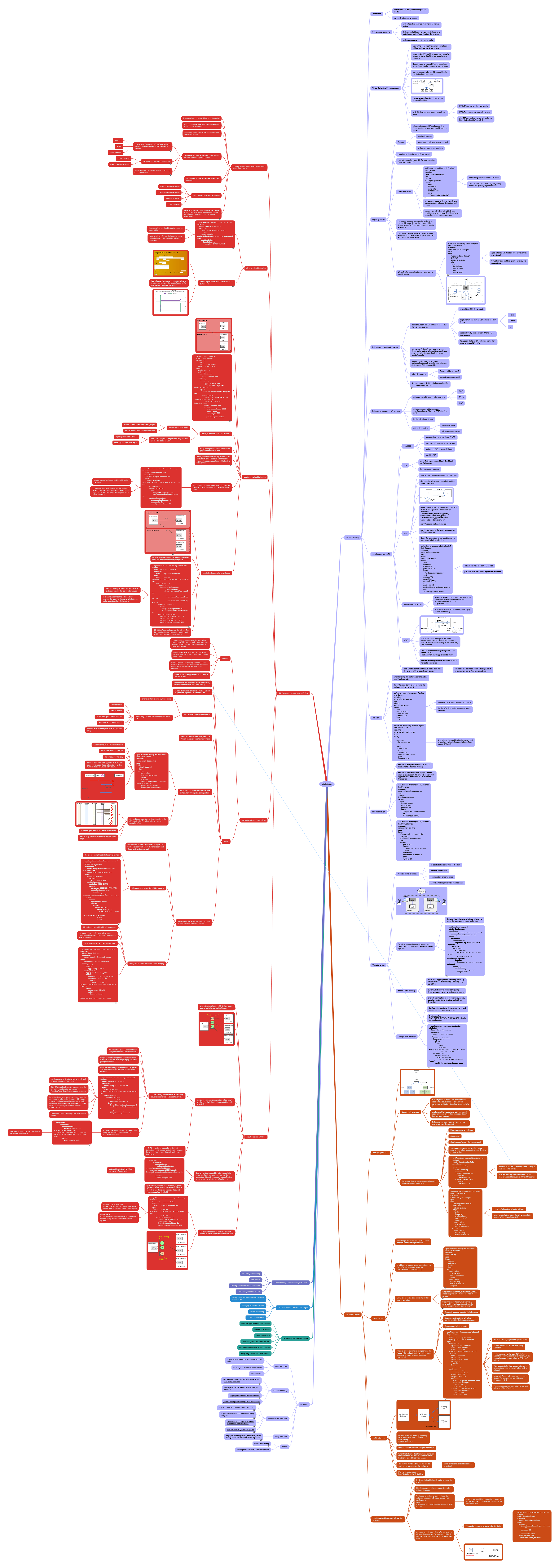
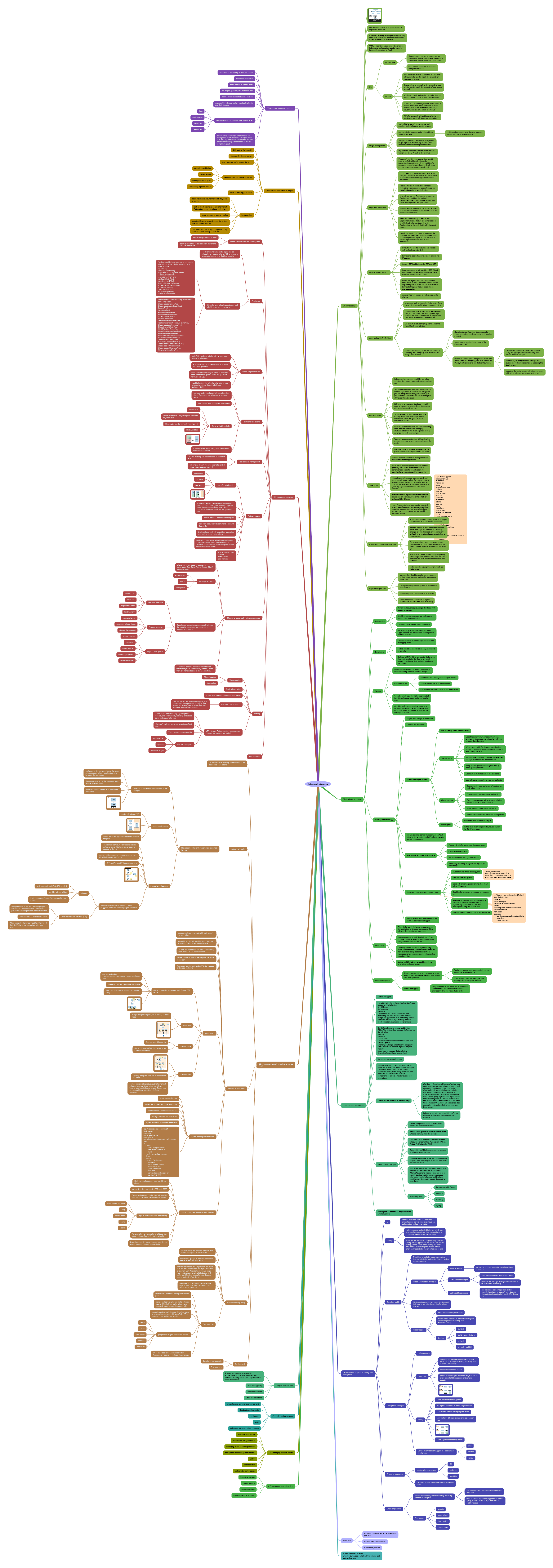
Christian Posta and Rinor Maloku’s book with Manning, Istio In Action has just been published. I’ve previously said it’s a good book, and that’s not surprising given Christian’s role at solo.io. When the final chapters became available I started to go through it in more detail and built a mind map (As with the recent review of Kubernetes best practices). The map can be seen below.
As you can see the map is very substantial reflecting on the depth and value of the book. For those who look at the maps, may notice there are a couple of chapters not fully mapped. I will update the map to fill those gaps in, but given they focus on monitoring and observability, I was less concerned about those areas given my own writing. The book’s exercises are very much built around using Docker Desktop making it very easy to spin up the examples and exercises. If you want to know about Istio Service Mesh on K8s then I’d recommend it.
Reading through the book, I’ve learned details that I was not entirely aware of, for example the integration of non K8s workloads into the mesh. The tuning of Istio to keep it highly performant with a lot of workloads.
Those I interact with more regularly will know I have this last week started a new job. You could say I’ve followed a common path for Ace Directors that don’t have instrumental roles within a company and joined Oracle. But some things won’t change; my new role as Cloud Developer Evangelist means I will still be producing blog content. My writing will appear on Oracle’s websites through the Blog, Community, Developer, and Architecture parts of the site, plus potential contributing to other high profile sites. But We’ll continue to add posts here, including referencing contributions in other locations.
I will continue submitting papers/presentations to conferences and presenting. Hopefully, we’ll start to get out and see people whilst presenting as well.
This does mean a change to my Ace Director status, as I will become an Alumni of the community, and we’ll be updating logos etc. But I have developed many friendships and contacts within the ace community. Not to mention, I believe and value what the Ace Community does, so while I may not be officially part of the community anymore, I will endeavour to support my friends and the wider community.
Leaving Capgemini has been uncomfortable, as I have left behind many great people that I’ve enjoyed working with (although some of those have also preceded me into Oracle). But to do more of what I have learnt over the years as the most rewarding (talking and writing about applying technology to solve problems, sharing insights and knowledge), particularly as part of the Ace community, meant a need for a new challenge.
To those who have contributed and influenced my journey – as ever my thanks.
I got into a discussion with several people about the use of GraphQL and related API technologies and discovered that a presentation I’ve been using and evolving for a while now, didn’t appear in my blog. So here is a version of it used at an API Conference …
The presentation may appear again in the future as the perspective of API technologies evolves the presentation will need to evolve. For example, AsyncAPI is starting to make an impression now. Other variants to API technologies such as DRPC are showing up.
If you’re new to GraphQL you might find a couple of other posts on the subject helpful:
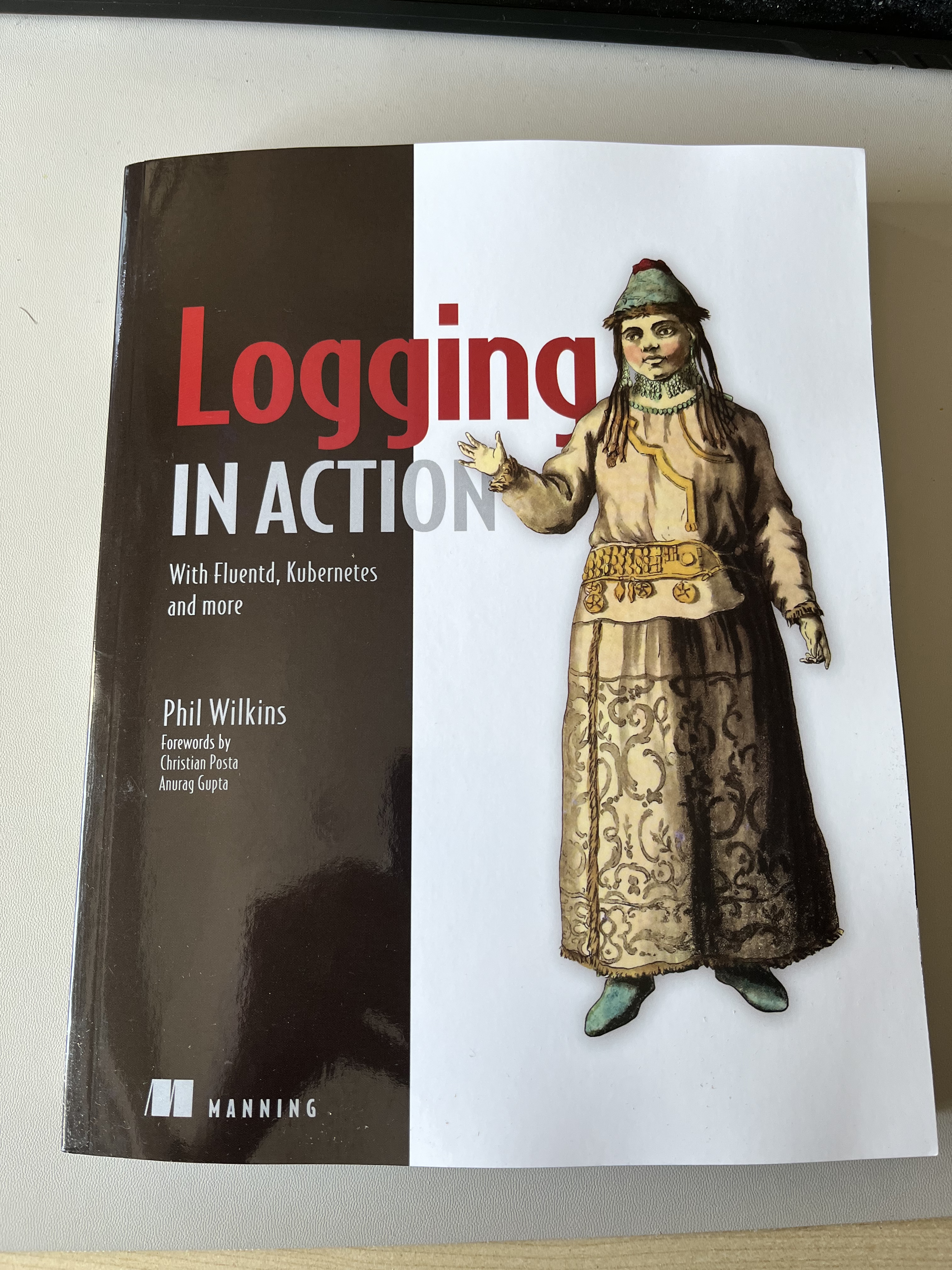
The final leg of getting the book published has taken a lot longer than had been expected. But we’ve just been told that the book has been sent to the printers. This means:
final eBook will be available from Manning in about 1 week
Preordered print copies of the book will be dispatched in about 2 weeks
The alternative ebook formats for mobile readers e.g. kindle etc available in about 3 weeks
The book will become available to purchase from other book stores such as Amazon in 3-4 weeks
Safari Books Online and Apple stores will have the ebook in 4-5 weeks
It also means the project from a writing perspective is complete. But we’re starting to look at the additional examples we’ll add to the GitHub repo. These will be dependent upon the book.
I’ve had some time to catch up on books I’d like to read, including Kubernetes Best Practises in the last few weeks. While I think I have a fair handle on Kubernetes, the development of my understanding has been a bit ad-hoc as I’ve dug into different areas as I’ve needed to know more. This meant reading a Dummies/Introduction to entry style guide would, to an extent, likely prove to be a frustrating read. Given this, I went for the best practises book because if I don’t understand the practises, then there are gaps in my understanding still, and I can look at more foundation resources.
As it goes, this book was perfect. It quickly covered the basics of the different aspects of Kubernetes helping to give context to the more advanced aspects, and the best practices become almost a formulated summary in each section. The depth of coverage and detail is certainly very comprehensive, explaining the background of CNI (Container Network Interface) to network-level security within Kubernetes.
The book touched upon Service Meshes such as Istio and Linkerd2 but didn’t go into great depth, but again this is probably down to the fact that Service Mesh ideas are still maturing, and you have initiatives like SMI (Service Mesh Interface still in the CNCF’s sandbox).
In terms of best practices, that really stood out for me:
Use of Taints and Tolerations for refined control of pod deployment (Allowing affinity to be controlled to optimise resilience, or direct types of pod deployment to nodes with specialist capabilities such as GPU).
There are a lot more differences and options then you might realize in terms of ingress controller capabilities, so take time to identify what you may need from an ingress controller.
Don’t forget pods can be scaled vertically with the VPA (Vertical Pod Autoscaler)as well as horizontally through the HPA.
While using a managed persistence service will make statement storage a lot easier, stateful sets will give you a very portable solution.
As with a lot of technical books I read. As I go through the book I build up a mind map of what I think are the key points. Doing so leaves me with a resource I can use as a quick reference, but creating the mind map helps reinforce the learning. So here is the mind map …
As a consultant working with clients, we always need to address security considerations for clients, their networks and data. Typically this might mean ensuring I could connect to the correct network through a VPN with the secure client software installed. Then work through a Citrix set-up for the tools we’re allowed to use.
Since the start of the pandemic, there seems to be a marked shift towards issuing consultants with customer provided laptops that have been configured and locked down. This means I can’t use the client laptop to connect to my employer’s network to interact with our own systems – making it easy to leverage our existing resources to support the customer and conversely no trust or contractual position that might allow our company devices connecting to a VPN or ring-fenced part of a network.
Interestingly there seems to have been a drift away from the ideas of BYOD (Bring Your Own Device) which may come from the fact that outside of smaller very tech-savvy organizations, BYOD can be seen as challenging to support.
As this Google Trends report shows over the last five years the trend has been until the last couple of months showing a generally downward trend. Not authoritative proof, but hints that it hasn’t accelerated as you might expect given remote working.
By the customer supplying a laptop, there is an effort to control intrusion and other security risks. But the problem is, now I have a device that I could easily take off-line and work to defeat the security setup and the client would be non the wiser, or worse it is another laptop that could ‘get lost’ or ‘stolen’ with a greater chance of having sensitive material. Every new device is without a doubt an elevated risk for the client and a cost to support (this of course is also an argument for not applying BYOD).
Low level aka detailed design documentation has been an interesting point of debate. We range from the agile manifesto which states focus should be on working code over documentation and people using this as an argument for not producing documentation. On the other end of the spectrum as someone working for a large SI, documentation is more often than not contractually binding and accurate docs are key when taking work from a different supplier organization.
It is clear that documentation is an essential element. But I do agree with the agile manifesto, a business operates on its software, not documents, although the docs help us keep the software maintained and running.
How do we balance the age-old conflicts of …
Documents get out of date because they are kept separate from the implementation
Documents, particularly when rushed don’t provide the information necessary
Document templates having sections used a tickboxes rather than guide rails
Making sure we’re working with the most upto date document
Possibilities
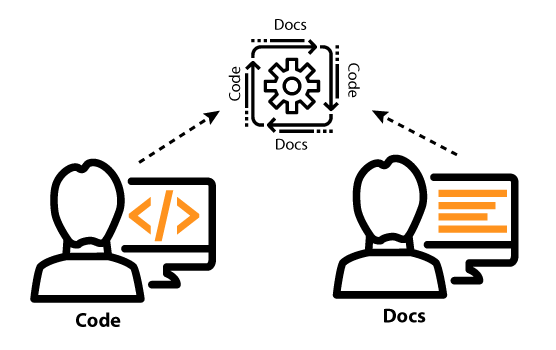
One of the key issues for documents getting out of date is a compound issue of accessibility, visibility and ease of maintenance. These compound to separate the documentation from the reality of code and configuration.
This can be eased by bringing documentation to being ‘physically’ closer to the code as we often see with readme markdown files on GitHub for example. But we can get closer with quality code commenting, particularly for each package and module. Just about every code or notation format had its own document generator from well-proven Javadoc to Terradoc for Terraform. To illustrate my point here are a couple of examples:
If done well the documentation can be generated and deliver the right information. It would mean in structured change management the change task for the code includes the documentation. The ideas behind combining code and documentation can be seen with good API Blueprints.
When you still need to produce publishable documents, you have the opportunity to stitch multiple class and package generated docs together using tools such as pandoc. Arguably it would be the developer’s job to establish the pandoc configuration file (Documentation as Code).
You can add to this if done carefully, by adding diagrams such as UML representations. Importantly this process can generate representations that include lots of detail that would be noise to the key representation (time for tools like Sparx to support annotations that can give hints as to what to show in a generated model).
Pitfalls
The biggest risks of this approach are:
People paying lip service to documenting code, or using the argument that agile means no documentation (an age old misrepresentation).
Comments reflect the code correctly
Assuming the documentation will be clear because it is writte6x n
These pitfalls could be in theory be addressed through some smarts such as comparing the volume documentation generated against the number of lines of code and code complexity metrics.
But like many things, good culture and good application of principles are essential.
Exploring further
There are growing dedicated resources in this space, check out:







 Phil (aka MP3Monster)'s Blog
You must be logged in to post a comment.