• Home
  • Site Aliases
    • www.cloud-native.info
  • About
    • Background
    • Presenting Activities
    • Internet Profile
      • LinkedIn
    • About
  • Books & Publications
    • Log Generator
    • Logs and Telemetry using Fluent Bit
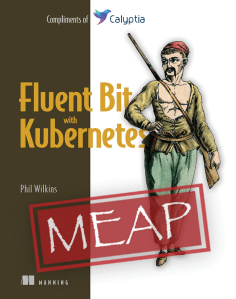
      • Fluent Bit book
      • Book Resources in GitHub
      • Fluent Bit Classic to YAML Format configurations
    • Logging in Action with Fluentd, Kubernetes and More
      • Logging in Action with Fluentd – Book
      • Fluentd Book Resources
      • Fluentd & Fluent Bit Additional stuff
    • API & API Platform
      • API Useful Resources
    • Oracle Integration
      • Book Website
      • Useful Reading Sources
    • Publication Contributions
  • Resources
    • GitHub
    • Oracle Integration Site
    • Oracle Resources
    • Mindmaps Index
    • Useful Tech Resources
      • Fluentd & Fluent Bit Additional stuff
      • Recommended Tech Podcasts
      • Official Sources for Product Logos
      • Java and Graal Useful Links
      • Python Setup & related stuff
  • Music
    • Monster On Music
    • Music Listening
    • Music Reading

Phil (aka MP3Monster)'s Blog

~ from Technology to Music

Phil (aka MP3Monster)'s Blog

Category Archives: Technology

Clickbait headlines on open-source project maintenance

29 Sunday Oct 2023

Posted by mp3monster in development, General, Technology

≈ Leave a comment

Tags

development, open source, Security

Infoworld published a rather clickbait incendiary new item the other week ‘few open source projects actively maintained’. Personally, I find these statements a little frustrating, as it would be easy for the less informed to assume that adopting open-source software is dangerous. There are several missed points here:

  • How well and frequently are close source solutions being maintained, and does that stop businesses from using end-of-life products? There is big business to be had in offering support to end-of-life solutions. Just look at companies like Rimini Street. Such organizations aren’t going to change software unless there is a major issue.
  • Not all open-source software is intended to be undergoing continuous maintenance? Shocking until you consider that open-source projects will remain open and available even when they have been declared end-of-life. Why? One of the things about open-source is you don’t know who is using the code, and suddenly pulling the code because the originator has decided they can no longer maintain their investment could put others in a difficult position. So, the right thing is to leave the source available and allow people to fork it so they can continue maintaining their own version of it or until they’ve migrated away. That way, the originator is not impacted by changes.
  • Next up, not all open-source projects need continued maintenance; many repositories exist to provide demo and sample solutions – so that developers can see how to use a product or service. These repositories shouldn’t need to change often. Frequent change could easily be a sign of an unstable product or service. These solutions may not be the most secure, as you don’t want to complicate the illustration with all the checks and balances that should be considered. Look at it this way: when we start learning a new language or tool, we start with the classic Hello World – which today means pointing your browser at a URL and seeing the words appear on the page. Do we insist that the initial implementation be secure? No, because it distracts from the basic message. For example, in my GitHub repository, I have multiple public repositories with Apache2 licenses attached to them – i.e., open-source. A number of them support the books I’ve written – they aren’t going to change – in fact, change would be a bad thing unless the associated book is corrected (this repo, for example).
  • When it comes to security vulnerabilities. This needs to be viewed with some intelligence. For several reasons:
    • As mentioned, our demo examples are unlikely to be patched with the latest versions of dependencies all the time. The point is to see how the code works. Unless the demo relates directly to something that has to be patched and that changes the demo itself. I don’t think it is unreasonable to expect developers to apply some intelligence to ensure dependencies (and therefore the risk of known vulnerabilities) are checked rather than blindly cutting and pasting. The majority of the time, such content will be published with a minimum version number, not a maximum.
    • Sometimes, a security vulnerability isn’t an issue. For example, I rarely run vulnerability checks on my LogSimulator. Not because I have a cavalier attitude to security but because I don’t expect it to ever be near a production environment, and the data flowing through the tool will be known and controlled by the user in advance of any activity. Secondly, it shouldn’t be using sensitive data, and thirdly, if there was any malicious intent intended, then I’d be more concerned about how secure its data source and configuration is. The tool is a command-line solution. That said, I still apply development practices that minimize potential exploitation.

Don’t get me wrong, there are risks with all software – closed and open-source, whether it is maintained or has security vulnerabilities. A software development team has a responsibility to make informed, risk-aware selections of software (open or closed source). If you have the means to check for risks, then they are best used. It is worth not only scanning our own code but also considering whether the dependencies we use have been scanned if appropriate (e.g. used in production). Utilizing innovations like SBOM, and exercising routine checks and reviews can also help.

While I can’t prove it, I suspect there are more risks being carried by organizations adopting a library that was considered sufficiently secure when downloaded, but subsequent vulnerabilities have been found, or selected mitigations to risks have been eroded over time.

Share this:

  • Click to share on Facebook (Opens in new window) Facebook
  • Click to share on X (Opens in new window) X
  • Click to share on Pocket (Opens in new window) Pocket
  • Click to share on Reddit (Opens in new window) Reddit
  • Click to email a link to a friend (Opens in new window) Email
  • Click to share on WhatsApp (Opens in new window) WhatsApp
  • Click to print (Opens in new window) Print
  • Click to share on Tumblr (Opens in new window) Tumblr
  • Click to share on Mastodon (Opens in new window) Mastodon
  • Click to share on Pinterest (Opens in new window) Pinterest
  • More
  • Click to share on Bluesky (Opens in new window) Bluesky
  • Click to share on LinkedIn (Opens in new window) LinkedIn
Like Loading...

Java 21 & GraalVM — lots to be excited about

19 Tuesday Sep 2023

Posted by mp3monster in General, java, Technology

≈ Leave a comment

Tags

AOT, GraalVM#, java, Java21, JIT

Today, Java 21 has reached General Availability (GA) with some important new features in the language mainstream (i.e., not requiring preview flags enabled), and Oracle will be supporting Java 21 as a Long long-term support (guaranteed at least 3years of free support (2years to the next LTS + 1 yr overlap) and then for at least an additional 5 years under support subscription). Everyone is talking about virtual threads. Interestingly the new virtual threads mean, in the majority of cases, we no longer need to handle the complexities of reactive programming – not my point of view, but a view expressed earlier today by Tomas Langer, the architect for Helidon. For old hands like myself – this is a blessing as the old-style threading comes more naturally. There are a lot of other smaller features coming through in the language with this, such as records, Z Garbage Collector, and better support for Key Encapsulation management. All the fine details can be found on the Oracle Java blog.

Java.dev has a new Playground, which allows you to write some Java code in the browser and run it. No local JDK or IDE is needed. Great for trying out code, like pattern matching for switch statements.

GraalVM gets a new release with Java 21. Along with some other cool features. Including being able to deploy Graal’s polyglot features with just the support for the languages you want, meaning that the GraalVM footprint is kept as small as you need in containers. This decoupling is supported with Maven and Gradle configurations. With this are enhancements for the Just-in-Time (JIT) and Ahead-of-Time (AOT) performance – read more about this in Alina Yurenko‘s blog.

Share this:

  • Click to share on Facebook (Opens in new window) Facebook
  • Click to share on X (Opens in new window) X
  • Click to share on Pocket (Opens in new window) Pocket
  • Click to share on Reddit (Opens in new window) Reddit
  • Click to email a link to a friend (Opens in new window) Email
  • Click to share on WhatsApp (Opens in new window) WhatsApp
  • Click to print (Opens in new window) Print
  • Click to share on Tumblr (Opens in new window) Tumblr
  • Click to share on Mastodon (Opens in new window) Mastodon
  • Click to share on Pinterest (Opens in new window) Pinterest
  • More
  • Click to share on Bluesky (Opens in new window) Bluesky
  • Click to share on LinkedIn (Opens in new window) LinkedIn
Like Loading...

Road to Kubernetes – MEAP book review

22 Thursday Jun 2023

Posted by mp3monster in Book Reviews, Books, General, Technology

≈ Leave a comment

Tags

book, K8s, Kubernetes, manning

One of the benefits of being a Manning author is that we get access to the Manning book catalog, including those currently in the MEAP early access programme (MEAP). The Road to Kubernetes title was bought to my attention. The book has just become available as a MEAP title; this means that the book has just completed its first major review milestone, and about a third of the book has been written. It does mean our review only covers the first 3 chapters at the moment.

What got my attention with this book is that unlike other titles about Kubernetes \9of which there are a number of great titles in the Manning portfolio already) is that it has adopted a different approach.

Most books focus on one technology and deep dive into that technology and dig into the more advanced features of that specific area. For an experienced IT person, that is great. But, when it comes to Kubernetes, if you’re skills are largely just focused on largely coding with languages like Java, Python, and JavaScript – not unusual for a graduate or junior developers it means the amount of reading and learning curve to get to grips with developing and deploying containers to Kubernetes is considerable. Here, Justin has taken the approach of assuming basic development skills and then taking you on a journey of focussing on the basics of containers, deployment automation, and then Kubernetes with just enough to be able to deploy a simple solution using good practices. This makes the learning path to gaining the skills that allow you to work within a team and building containerized solutions a lot easier.

I imagine once the book is complete and you’ve followed it through, you’ll be in a position to focus on learning new, more advanced aspects of containers and Kubernetes in a focused manner to meet the needs of a day-to-day job.

Having coached and mentored junior developers and graduates, this is a book I’d recommend to help them along, and if my experience with the Manning book development process is anything to go by, as Justin goes through the major milestones, this book will go from good to great.

My only word of caution is that this book will take the reader on a journey of building and deploying microservices to Kubernetes. Don’t be fooled into thinking Kubernetes and microservices are easy – there is a lot of technologies that I don’t think the book will go into (but then not all developers need to understand details such the differences in network fabric (Calico, Flannel) or container engines cri-o, Docker Engine, deploying support tooling for things like observability). Without good design and, depending upon your solution, a handle in a variety of more specialized areas, it is still possible to get yourself into a mess, even for the most experienced of teams.

Share this:

  • Click to share on Facebook (Opens in new window) Facebook
  • Click to share on X (Opens in new window) X
  • Click to share on Pocket (Opens in new window) Pocket
  • Click to share on Reddit (Opens in new window) Reddit
  • Click to email a link to a friend (Opens in new window) Email
  • Click to share on WhatsApp (Opens in new window) WhatsApp
  • Click to print (Opens in new window) Print
  • Click to share on Tumblr (Opens in new window) Tumblr
  • Click to share on Mastodon (Opens in new window) Mastodon
  • Click to share on Pinterest (Opens in new window) Pinterest
  • More
  • Click to share on Bluesky (Opens in new window) Bluesky
  • Click to share on LinkedIn (Opens in new window) LinkedIn
Like Loading...

Simplifying the escaping of JSON strings

08 Thursday Jun 2023

Posted by mp3monster in development, General, Technology

≈ Leave a comment

Tags

CLI, development, JQ, JSON, software, Technology, utility

when you’re testing apps, it is pretty common to want to send JSON via CURL to a local endpoint. The problem is that this usually means that the string you provide curl needs to have characters escaped, such as quote marks. By hand, this can be irritating to sort out, particularly if you’re using an IDE to make sure the JSON is correct. I’d concluded this is hardly a new problem; someone must have produced a nice little multiple-platform command line utility that can do it for you. The result was a bit more surprising.

There are plenty of online utils that solve it, but if you’re working with data, you don’t want to publicly share (or the fiddling around with copy-pasting to your browser). Nothing wrong with these tools, but you can’t script them without resorting to RPA (Robotic Process Automation) either. Here are a couple of services I found that are straightforward, and when I’ve tried them, not plagued by annoying ads.

  • https://wtools.io/json-escape-unescape
  • https://www.jsonescaper.com/
  • https://toolslick.com/text/escaper/json
  • https://codebeautify.org/json-escape-unescape
  • https://appdevtools.com/json-escape-unescape

But finding command line tools, well, finding an answer, has proven a bit more challenging. For removing escaped characters, you could use jq, but we actually want to go the other way to use curl with JSON that has been escaped. I have come across conversations covering the use of bash (making use of awk and sed. Plus, details about how the manipulation could be done in various languages (so you could code your own solution if so inclined. Coding is unlikely to take much effort, but testing permutations is going to demand effort).

The one solution I have found that meant I could escape (or reverse) JSON locally is a plugin for VS Code called appropriately JSON-escaper, which does what is needed in a nice and clean manner. All credit to Joshua Poehls for the tool.

The solution JSON-escaper built on top of a more generic JavaScript utility which addresses escaping special characters which can be found here.

Share this:

  • Click to share on Facebook (Opens in new window) Facebook
  • Click to share on X (Opens in new window) X
  • Click to share on Pocket (Opens in new window) Pocket
  • Click to share on Reddit (Opens in new window) Reddit
  • Click to email a link to a friend (Opens in new window) Email
  • Click to share on WhatsApp (Opens in new window) WhatsApp
  • Click to print (Opens in new window) Print
  • Click to share on Tumblr (Opens in new window) Tumblr
  • Click to share on Mastodon (Opens in new window) Mastodon
  • Click to share on Pinterest (Opens in new window) Pinterest
  • More
  • Click to share on Bluesky (Opens in new window) Bluesky
  • Click to share on LinkedIn (Opens in new window) LinkedIn
Like Loading...

Bucharest Tech Week Conference – Monoliths in a Microservices World

29 Monday May 2023

Posted by mp3monster in General, Technology

≈ Leave a comment

Tags

anti-corruption, Apache, API, architecture, Bucharest, Celix, conference, Felix, Istio, Linkerd, micro-kernel, Microservices, monoliths, OSGi, presenting, Tech Week, Verrazzano

Last week I was fortunate enough to have the opportunity to present at the Software Architecture Summit as part of the Bucharest Tech Week conference. My presentation, Monoliths in a Microservice World, was all new content that, by chance, worked well, bringing together a number of points made by other speakers. The presentation aimed at the challenges of adopting Microservices and whether Monoliths had a place in modern IT, and for those of us not fortunate enough to be working for one of the poster children for microservices like Netflix, Amazon, etc, how we can get our existing monoliths playing nicely with microservices.

The conference may not have the size of Devoxx (yet), but it certainly had quality with presenters from globally recognized organizations such as Google (Abdelkfettah Sghiouar), Thoughtworks (Arne Lapõnin), Vodafone (IT Services business unit – _VOIS – Stefan Ciobanu), Bosch, as well as subsidiaries of companies like DXC (Luxsoft) and rapid growth SaaS vendor LucaNet.

As a presenter, you’re always wanting to walk the tightrope of being at the biggest conferences to maximize reach for your message while at the same time wanting the experience to be friendly and personable, which often means slightly smaller conferences. The Software Architecture Summit balanced that really well; rather than lots of smaller breakout sessions, the conference focussed on a single auditorium for a large number of attendees, with presentation slots varying in length depending upon the subject matter. If a session didn’t interest you, then there were plenty of exhibitors to talk with – although, from what I saw, the auditorium was full during the sessions, reflecting the interest in the content.

“Always code as if the guy who ends up maintaining your code will be a violent psychopath who knows where you live.” – John F. Woods

Quote of the conference – as cited by @DevPaco (Paco van Beckhoven)

The conference organizers (Universum) certainly put in the effort to ensure the presenters were looked after. It is the little touches that really make the difference, such as taking care of logistics which can be as simple as organizing airport transfers. A letter of thanks will be waiting for you at the hotel after the event, organizing a meal for the presenters at a local restaurant and so on.

Continue reading →

Share this:

  • Click to share on Facebook (Opens in new window) Facebook
  • Click to share on X (Opens in new window) X
  • Click to share on Pocket (Opens in new window) Pocket
  • Click to share on Reddit (Opens in new window) Reddit
  • Click to email a link to a friend (Opens in new window) Email
  • Click to share on WhatsApp (Opens in new window) WhatsApp
  • Click to print (Opens in new window) Print
  • Click to share on Tumblr (Opens in new window) Tumblr
  • Click to share on Mastodon (Opens in new window) Mastodon
  • Click to share on Pinterest (Opens in new window) Pinterest
  • More
  • Click to share on Bluesky (Opens in new window) Bluesky
  • Click to share on LinkedIn (Opens in new window) LinkedIn
Like Loading...

SSH Key File Permissions

22 Monday May 2023

Posted by mp3monster in development, General, Technology

≈ Leave a comment

Tags

keys, permissions, Security, SSH, Windows

Permissions on ssh key files on Windows can be rather annoying. If you try to use ssh it will protest about the permissions and will stop the secure connection. On Linux, it is easy to modify the permissions with a chmod command (chmod 700 *.key).

Update

Since originally writing this blog post, we came across a cmd (.bat) script that can alter the file permissions for Windows 10 and later (the basis of the script can be found here). With this script’s directory in the PATH variable, we can call it anywhere with the command protect-key.bat my-key-file.key, and it will correct the permissions accordingly.

View Code

To overcome the permissions issues, we need to make several changes to the file’s security properties to apply the following changes:

  • Switch off inheritance using the Disable inheritance button (images 1 and 2 below)
  • Remove grants to user groups other than Administrators (image 3)
  • Remove users who do not needing access is recommended.
Advanced security tab on Windows
Disable security inheritance
Remove Groups from permissions

The following image shows the ideal end state:

Ideal end state for permissions

Share this:

  • Click to share on Facebook (Opens in new window) Facebook
  • Click to share on X (Opens in new window) X
  • Click to share on Pocket (Opens in new window) Pocket
  • Click to share on Reddit (Opens in new window) Reddit
  • Click to email a link to a friend (Opens in new window) Email
  • Click to share on WhatsApp (Opens in new window) WhatsApp
  • Click to print (Opens in new window) Print
  • Click to share on Tumblr (Opens in new window) Tumblr
  • Click to share on Mastodon (Opens in new window) Mastodon
  • Click to share on Pinterest (Opens in new window) Pinterest
  • More
  • Click to share on Bluesky (Opens in new window) Bluesky
  • Click to share on LinkedIn (Opens in new window) LinkedIn
Like Loading...

Article in DevOps Magazine – Stop Polling Let’s Go Streaming

02 Tuesday May 2023

Posted by mp3monster in APIs & microservices, Books, General, Technology

≈ Leave a comment

Tags

API, API Conference, blog, demio, devops, JAXLondon, magazine, polling, streaming

DevOps Magazine 2-2023 which includes my article

A while back, I was invited to contribute to Devmio (the knowledge portal driven by the publishers involved with the JAX London and other events). After a little bit of delay from my end, I offered an article that they decided was sufficient to be incorporated into DevOps magazine.

You can check out the content at:

  • DevOps Magazine
  • Devmio
  • my article
  • JAXLondon and other conferences

Update (July 23) – no longer behind a paid wall

The article has been used in a blog post now and a mailout from the API Conference – read for free, check it out.

Share this:

  • Click to share on Facebook (Opens in new window) Facebook
  • Click to share on X (Opens in new window) X
  • Click to share on Pocket (Opens in new window) Pocket
  • Click to share on Reddit (Opens in new window) Reddit
  • Click to email a link to a friend (Opens in new window) Email
  • Click to share on WhatsApp (Opens in new window) WhatsApp
  • Click to print (Opens in new window) Print
  • Click to share on Tumblr (Opens in new window) Tumblr
  • Click to share on Mastodon (Opens in new window) Mastodon
  • Click to share on Pinterest (Opens in new window) Pinterest
  • More
  • Click to share on Bluesky (Opens in new window) Bluesky
  • Click to share on LinkedIn (Opens in new window) LinkedIn
Like Loading...

IAM and IDCS do more than support AuthZ

01 Monday May 2023

Posted by mp3monster in development, General, Oracle, Technology

≈ Leave a comment

Tags

data, development, OCI, Oracle, SCIM, Security, software

We could solve this with custom integrations, or we can exploit an IETF standard called SCIM (System for Cross-domain Identity Management). The beauty of SCIM is that it brings a level of standardization to the mechanics of sharing personal identity information, addressing the fact that this data goes through a life cycle.

While Oracle’s IDCS and IAM support identity management for authentication and authorization for OCI and SaaS such as HCM, SCM, and so on. Most software ecosystems need more than that. If you have personalized custom applications or COTS or non-Oracle SaaS that need more than just authentication and need some of your people’s data needs to be replicated.

The lifecycle would include:

  • Creation of users.
  • Users move in and out of groups as their roles and responsibilities change.
  • User details change, reflecting life events such as changing names.
  • Users leave as they’re no longer employees, deleted their account for the service, or exercise their right to be forgotten.

It means any SCIM-compliant application can be connected to IDCS or IAM, and they’ll receive the relevant changes. Not only does it standardize the process of integrating it helps handle compliance needs such as ensuring data is correct in other applications, that data is not retained any longer than is needed (removal in IDCS can trigger the removal elsewhere through the SCIM interface). In effect we have the opportunity to achieve master data management around PII.

SCIM works through the use of standardized RESTful APIs. The payloads have a standardized set of definitions which allows for customized extension as well. The customization is a lot like how LDAP can accommodate additional data.

The value of SCIM is such that there are independent service providers who support and aid the configuration and management of SCIM to enable other applications.

Securing such data flows

As this is flowing data that is by its nature very sensitive, we need to maximize security. Risks that we should consider:

  • Malicious intent that results in the introduction of a fake SCIM client to egress data
  • Use of the SCIM interface to ingress the poisoning of data (use of SCIM means that poisoned data could then propagate to all the identity-connected systems).
  • Identity hijacking – manipulating an identity to gain further access.

There are several things that can be done to help secure the SCIM interfaces. This can include the use of an API Gateway to validate details such as the identity of the client and where the request originated from. We can look at the payload and validate it against the SCIM schema using an OCI Function.

We can block the use of operations by preventing the use of certain HTTP verbs and/or URLs for particular or all origins.

Share this:

  • Click to share on Facebook (Opens in new window) Facebook
  • Click to share on X (Opens in new window) X
  • Click to share on Pocket (Opens in new window) Pocket
  • Click to share on Reddit (Opens in new window) Reddit
  • Click to email a link to a friend (Opens in new window) Email
  • Click to share on WhatsApp (Opens in new window) WhatsApp
  • Click to print (Opens in new window) Print
  • Click to share on Tumblr (Opens in new window) Tumblr
  • Click to share on Mastodon (Opens in new window) Mastodon
  • Click to share on Pinterest (Opens in new window) Pinterest
  • More
  • Click to share on Bluesky (Opens in new window) Bluesky
  • Click to share on LinkedIn (Opens in new window) LinkedIn
Like Loading...

New Article for SE Daily…

27 Thursday Apr 2023

Posted by mp3monster in ExternalWebPublications, Fluentd, General, Technology

≈ Leave a comment

Tags

Cloud, external publications, Hybrid, monitoring, multicloud, observability, SE Daily, Software Engineering Daily

We’ve just had a new article published for Software Engineering Daily which looks at monitoring in multi-cloud and hybrid use cases and highlights some strategies that can help support the single pane of glass by exploiting features in tools such as Fluentd and Fluentbit that perhaps aren’t fully appreciated. Check it out …

Challenges of Multi-Cloud and Hybrid Monitoring

Share this:

  • Click to share on Facebook (Opens in new window) Facebook
  • Click to share on X (Opens in new window) X
  • Click to share on Pocket (Opens in new window) Pocket
  • Click to share on Reddit (Opens in new window) Reddit
  • Click to email a link to a friend (Opens in new window) Email
  • Click to share on WhatsApp (Opens in new window) WhatsApp
  • Click to print (Opens in new window) Print
  • Click to share on Tumblr (Opens in new window) Tumblr
  • Click to share on Mastodon (Opens in new window) Mastodon
  • Click to share on Pinterest (Opens in new window) Pinterest
  • More
  • Click to share on Bluesky (Opens in new window) Bluesky
  • Click to share on LinkedIn (Opens in new window) LinkedIn
Like Loading...

OpenLens or Lens app

17 Monday Apr 2023

Posted by mp3monster in Cloud Native, development, General, Technology

≈ Leave a comment

Tags

K8s, Kubernetes, lens, OpenLens, openlens-node-pod-menu, Plugin

I wrote about how much I like the lens app K8s dashboard capability without needing to deploy K8s dashboard. Sadly recently, there has been some divergence from K8sLens being a pure open source to a licensed tool with an upstream open-source version called Open Lens (article here). It has fallen to individual contributors to maintain the open-lens binary (here) and made it available via Chocolatey and Brew. The downside is that one of the nice features of K8sLens has been removed – the ability to look at container logs. If you read the Git repo issue on this matter – you’ll see that a lot of people are not very happy about this.

If you read through all the commentary on the ticket, you’ll eventually find the following part of the post that describes how the feature can be reintroduced.

In short, if you use the extensions feature and provide the URL of the extension as @alebcay/openlens-node-pod-menu then the option will be reintroduced. The access to the extension is here:

The details …

The extension identified is detailed here.

I’m not sure why, but I did find the installation a little unstable, and needed to reinstall the plugin, restart OpenLens and reenable the plugin. But once we got past that, as you can see below the plugin delivered on its promise.

The problem with the licensing is that it doesn’t distinguish between me as an individual and using Lens for my own personal use vs. using Lens for commercial activities. The condition sets out:

ELIGIBILITY:You or your company have less than $10M in annual revenue or funding.

https://app.k8slens.dev/subscribe

Given this wording, I can’t use the licensed version, even if I was working on an open-source project and in a personal capacity, as the company I’m employed by has more than $10 million in revenue. For me, the issue is $200 per year is a lot for something I only need to use intermittently. While I get k8slens includes additional features such as Lens Security which performs vulnerability management, and Lens Teamwork, along with support, are features and services that are oriented to commercial use – these are features I don’t actually want or need. Lens Kubernetes sounds like an interesting proposition (a built-in distribution of K8s), but when many others already provide this freely – from Docker Desktop to Kind it seems rather limited in value.

We did try installing Komodor, given its claims for an always free edition. But on my Windows 11 Pro (developer early access) installation, it failed to install, as you can see:

Share this:

  • Click to share on Facebook (Opens in new window) Facebook
  • Click to share on X (Opens in new window) X
  • Click to share on Pocket (Opens in new window) Pocket
  • Click to share on Reddit (Opens in new window) Reddit
  • Click to email a link to a friend (Opens in new window) Email
  • Click to share on WhatsApp (Opens in new window) WhatsApp
  • Click to print (Opens in new window) Print
  • Click to share on Tumblr (Opens in new window) Tumblr
  • Click to share on Mastodon (Opens in new window) Mastodon
  • Click to share on Pinterest (Opens in new window) Pinterest
  • More
  • Click to share on Bluesky (Opens in new window) Bluesky
  • Click to share on LinkedIn (Opens in new window) LinkedIn
Like Loading...
← Older posts
Newer posts →

    I work for Oracle, all opinions here are my own & do not necessarily reflect the views of Oracle

    • About
      • Internet Profile
      • Music Buying
      • Presenting Activities
    • Books & Publications
      • Logging in Action with Fluentd, Kubernetes and More
      • Logs and Telemetry using Fluent Bit
      • Oracle Integration
      • API & API Platform
        • API Useful Resources
        • Useful Reading Sources
    • Mindmaps Index
    • Monster On Music
      • Music Listening
      • Music Reading
    • Oracle Resources
    • Useful Tech Resources
      • Fluentd & Fluent Bit Additional stuff
        • Logging Frameworks and Fluent Bit and Fluentd connectivity
        • REGEX for BIC and IBAN processing
      • Java and Graal Useful Links
      • Official Sources for Product Logos
      • Python Setup & related tips
      • Recommended Tech Podcasts

    Oracle Ace Director Alumni

    TOGAF 9

    Logs and Telemetry using Fluent Bit


    Logging in Action — Fluentd

    Logging in Action with Fluentd


    Oracle Cloud Integration Book


    API Platform Book


    Oracle Dev Meetup London

    Blog Categories

    • App Ideas
    • Books
      • Book Reviews
      • manning
      • Oracle Press
      • Packt
    • Enterprise architecture
    • General
      • economy
      • ExternalWebPublications
      • LinkedIn
      • Website
    • Music
      • Music Resources
      • Music Reviews
    • Photography
    • Podcasts
    • Technology
      • AI
      • APIs & microservices
      • chatbots
      • Cloud
      • Cloud Native
      • Dev Meetup
      • development
        • languages
          • java
          • node.js
      • drone
      • Fluentbit
      • Fluentd
      • logsimulator
      • mindmap
      • OMESA
      • Oracle
        • API Platform CS
          • tools
        • Helidon
        • ITSO & OEAF
        • Java Cloud
        • NodeJS Cloud
        • OIC – ICS
        • Oracle Cloud Native
        • OUG
      • railroad diagrams
      • TOGAF
    • xxRetired
    • AI
    • API Platform CS
    • APIs & microservices
    • App Ideas
    • Book Reviews
    • Books
    • chatbots
    • Cloud
    • Cloud Native
    • Dev Meetup
    • development
    • drone
    • economy
    • Enterprise architecture
    • ExternalWebPublications
    • Fluentbit
    • Fluentd
    • General
    • Helidon
    • ITSO & OEAF
    • java
    • Java Cloud
    • languages
    • LinkedIn
    • logsimulator
    • manning
    • mindmap
    • Music
    • Music Resources
    • Music Reviews
    • node.js
    • NodeJS Cloud
    • OIC – ICS
    • OMESA
    • Oracle
    • Oracle Cloud Native
    • Oracle Press
    • OUG
    • Packt
    • Photography
    • Podcasts
    • railroad diagrams
    • Technology
    • TOGAF
    • tools
    • Website
    • xxRetired

    Enter your email address to subscribe to this blog and receive notifications of new posts by email.

    Join 2,555 other subscribers

    RSS

    RSS Feed RSS - Posts

    RSS Feed RSS - Comments

    January 2026
    M T W T F S S
     1234
    567891011
    12131415161718
    19202122232425
    262728293031  
    « Nov    

    Twitter

    Tweets by mp3monster

    History

    Speaker Recognition

    Open Source Summit Speaker

    Flickr Pics

    Gogo Penguin at the BarbicanGogo Penguin at the BarbicanGogo Penguin at the BarbicanGogo Penguin at the Barbican
    More Photos

    Social

    • View @mp3monster’s profile on Twitter
    • View philwilkins’s profile on LinkedIn
    • View mp3monster’s profile on GitHub
    • View mp3monster’s profile on Flickr
    • View mp3muncher’s profile on WordPress.org
    • View philmp3monster’s profile on Twitch
    Follow Phil (aka MP3Monster)'s Blog on WordPress.com

    Blog at WordPress.com.

    • Subscribe Subscribed
      • Phil (aka MP3Monster)'s Blog
      • Join 233 other subscribers
      • Already have a WordPress.com account? Log in now.
      • Phil (aka MP3Monster)'s Blog
      • Subscribe Subscribed
      • Sign up
      • Log in
      • Report this content
      • View site in Reader
      • Manage subscriptions
      • Collapse this bar
     

    Loading Comments...
     

    You must be logged in to post a comment.

      Privacy & Cookies: This site uses cookies. By continuing to use this website, you agree to their use.
      To find out more, including how to control cookies, see here: Our Cookie Policy
      %d