• Home
  • Site Aliases
    • www.cloud-native.info
  • About
    • Background
    • Presenting Activities
    • Internet Profile
      • LinkedIn
    • About
  • Books & Publications
    • Log Generator
    • Logs and Telemetry using Fluent Bit
      • Fluent Bit book
      • Book Resources in GitHub
      • Fluent Bit Classic to YAML Format configurations
    • Logging in Action with Fluentd, Kubernetes and More
      • Logging in Action with Fluentd – Book
      • Fluentd Book Resources
      • Fluentd & Fluent Bit Additional stuff
    • API & API Platform
      • API Useful Resources
    • Oracle Integration
      • Book Website
      • Useful Reading Sources
    • Publication Contributions
  • Resources
    • GitHub
    • Oracle Integration Site
    • Oracle Resources
    • Mindmaps Index
    • Useful Tech Resources
      • Fluentd & Fluent Bit Additional stuff
      • Recommended Tech Podcasts
      • Official Sources for Product Logos
      • Java and Graal Useful Links
      • Python Setup & related stuff
  • Music
    • Monster On Music
    • Music Listening
    • Music Reading

Phil (aka MP3Monster)'s Blog

~ from Technology to Music

Phil (aka MP3Monster)'s Blog

Category Archives: manning

Cloud Observability in Action – Book Review

04 Thursday Jan 2024

Posted by mp3monster in Book Reviews, Books, General, manning

≈ Leave a comment

Tags

book, development, FluentBit, Fluentd, manning, Michael Hausenblas, o11y, observability, OpenTelemetry, Prometheus, review

With the Christmas holidays happening, things slowed down enough to sit and catch up on some reading – which included reading Cloud Observability in Action by Michael Hausenblas from Manning. You could ask – why would I read a book about a domain you’ve written about (Logging In Action with Fluentd) and have an active book in development (Fluent Bit with Kubernetes)? The truth is, it’s good to see what others are saying on the subject, not to mention it is worth confirming I’m not overlapping/duplicating content. So what did I find?

Observability in Action by Michael Hausenblas
Cloud Observability in Action by Michael Hausenblas

Cloud Observability In Action has been an easygoing and enjoyable read. Tech books can sometimes get a bit heavy going or dry, not the case here. Firstly, Michael went back to first principles, making the difference between Observability and monitoring – something that often gets muddied (and I’ve been guilty of this, as the latter is a subset of the former). Observability doesn’t roll off the tongue as smoothly as monitoring (although I rather like the trend of using O11y). This distinction, while helpful, particularly if you’re still finding your feet in this space, is good. What is more important is stepping back and asking what should we be observing and why we need to observe it. Plus, one of my pet points when presenting on the subject – we all have different observability needs – as a developer, an ops person, security, or auditors.

Next is Michael’s interesting take on how much O11y code is enough. Historically, I’ve taken the perspective – that enough is a factor of code complexity. More complex code – warrants more O11y or logging as this is where bugs are most likely to manifest themselves; secondly, I’ve looked at transaction and service boundaries. The problem is this approach can sometimes generate chatty code. I’ve certainly had to deal with chatty apps, and had to filter out the wheat from the chaff. So Michael’s approach of cost/benefit and measuring this using his B2I ratio (how much code is addressing the business problems over how much is instrumentation) was a really fresh perspective and presented in a very practical manner, with warnings about using such a measure too rigidly. It’s a really good perspective as well if you’re working on hyperscaling solutions where a couple of percentage point improvements can save tens of thousands of dollars. Pretty good going, and we’re only a couple of chapters into the book.

The book gets into the underlying ideas and concepts that inform OpenTelemetry, such as traces and spans, metrics, and how these relate to Observability. Some of the classic mistakes are called out, such as dimensioning metrics with high cardinality and why this will present real headaches for you.

As the data is understood, particularly metrics you can start to think about how to identify what normal is, what is abnormal, or an outlier. That then leads to developing Service Level Objectives (SLOs), such as an acceptable level of latency in the solution or how many errors can be tolerated.

The book isn’t all theory. The ideas are illustrated with small Go applications, which are instrumented, and the generated metrics, traces, and logs. Rather than using a technology such as Fluentd or Fluent Bit, Michael starts by keeping things simple and directly connecting the gathering of the metrics into tools such as Prometheus, Zipkin, Jaeger, and so on. In later chapters, the complexity of agents, aggregators, and collectors is addressed. Then, the choices and considerations for different backend solutions from cloud vendor-provided services such as OpenSearch, ElasticSearch, Splunk, Instana and so on. Then, the front-end visualization of the data is explored with tools such as Grafana, Kibana, cloud-provided tools, and so on.

As the book progresses, the chapters drill down into more detail, such as the differences and approaches for measuring containerized solutions vs. serverless implementations such as Lambda and the kinds of measures you may want. The book isn’t tied to technologies typically associated with modern Cloud Native solutions, but more traditional things like relational databases are taken into account.

The closing chapters address questions such as how to address alerting, incident management, and implementing SLOs. How to use these techniques and tools can help inform the development processes, not just production.

So I would recommend the book, if you’re trying to understand Observability (regardless of a cloud solution or not). If you’re trying to advance from the more traditional logging to a fuller capability, then this book is a great guide, showing what, why, and how to evaluate the value of doing so.

To come back to my opening question. The books have small points of overlap, but this is no bad thing, as it helps show how the different viewpoints intersect. I would actually say that the Observability in Action shows how the wider landscape fits together, the underlying value propositions that can help make the case for implementing a full observability solution. Then, Logging in Action and the new book, Fluent Bit with Kubernetes, give you some of the common context, and we drill into the details of how and what can be done with Fluent Bit and Fluentd. All Manning needs now is content to deep dive into Prometheus, Grafana, Jaeger, and OpenSearch to provide an end-to-end coverage of first principles to the art of the possible in Observability.

I also have to thank Michael for pointing his readers and sections of Logging in Action that directly relate and provide further depth into an area.

Further reading

  • Michael’s medium blog
  • Michael’s website
  • Return on Investment Driven Observability
  • CNCF Observability Whitepaper
  • My additional resources for Fluent Bit and Fluentd which includes some of the related content
Share this:

  • Click to share on Facebook (Opens in new window) Facebook
  • Click to share on X (Opens in new window) X
  • Click to share on Pocket (Opens in new window) Pocket
  • Click to share on Reddit (Opens in new window) Reddit
  • Click to email a link to a friend (Opens in new window) Email
  • Click to share on WhatsApp (Opens in new window) WhatsApp
  • Click to print (Opens in new window) Print
  • Click to share on Tumblr (Opens in new window) Tumblr
  • Click to share on Mastodon (Opens in new window) Mastodon
  • Click to share on Pinterest (Opens in new window) Pinterest
  • More
  • Click to share on Bluesky (Opens in new window) Bluesky
  • Click to share on LinkedIn (Opens in new window) LinkedIn
Like Loading...

Fluent Bit book update

22 Friday Dec 2023

Posted by mp3monster in Books, manning

≈ Leave a comment

Tags

book, FluentBit

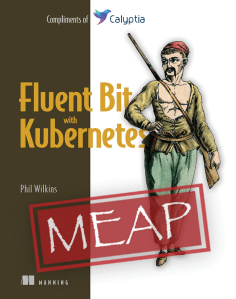
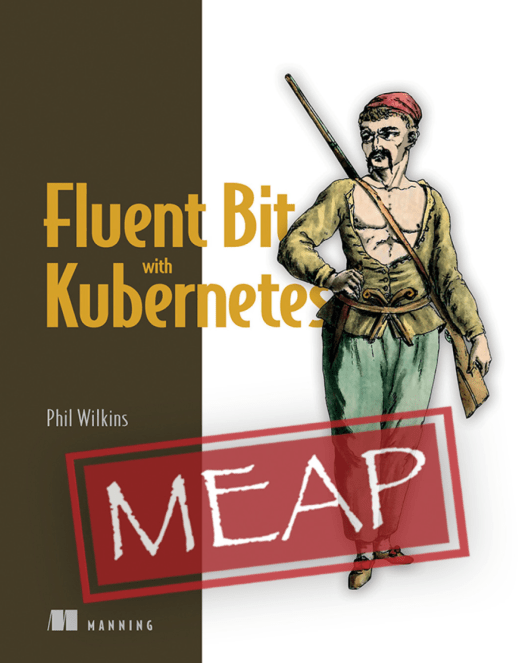
It’s been a busy time on the book front. With the book going into the Manning Early Access Program (MEAP). Since then, we have got three more chapters ready, and we’re waiting for the Manning Technical Editor to come back on the content. Once that feedback is addressed, we go into another peer review round, and the chapters will be added to the MEAP edition.

Fluent Bit book cover

The peer review process is insightful and helps drive improvements to the content, as the reviewers are deeply informed – after all, some of them coded the functionality I’m writing about. So, the comments and questions that come back deserve careful consideration.

It isn’t just more chapters; the appendices have been moving forward, and we should see the first two appendices in the MEAP content soon.

If that isn’t enough for you – as we developed Chapter 8 (probably ready for Manning by the New Year) and worked on the appendices, we identified content that doesn’t neatly fit the book, so we’ve incorporated that content on this blog and in other places (we’re expecting a blog to be published early in the New Year here). We’ve created a page on this website to help collect together content here, and you can see all the blog content here.

But there is plenty of work still to be done, as Fluent Bit supports both YAML and classic configuration formats. We have focussed on the classic format in the book as more people use that at the moment. But, eventually, the YAML format will become more dominant, so we’re providing the YAML equivalent configurations for all the examples. These need to be finalized and checked.

We think Chapter 9 will come quickly, but the final chapter will take time, as we’re expecting the peer review feedback to land as we start Chapter 10. But there is also a lot more effort involved in the final chapter. Then, it’s another peer review round.

Share this:

  • Click to share on Facebook (Opens in new window) Facebook
  • Click to share on X (Opens in new window) X
  • Click to share on Pocket (Opens in new window) Pocket
  • Click to share on Reddit (Opens in new window) Reddit
  • Click to email a link to a friend (Opens in new window) Email
  • Click to share on WhatsApp (Opens in new window) WhatsApp
  • Click to print (Opens in new window) Print
  • Click to share on Tumblr (Opens in new window) Tumblr
  • Click to share on Mastodon (Opens in new window) Mastodon
  • Click to share on Pinterest (Opens in new window) Pinterest
  • More
  • Click to share on Bluesky (Opens in new window) Bluesky
  • Click to share on LinkedIn (Opens in new window) LinkedIn
Like Loading...

Content Not here

22 Friday Dec 2023

Posted by mp3monster in Books, General, manning, Technology

≈ Leave a comment

Tags

book, DevRel, DZone, Oracle, publications

We’ve recently had several pieces published on other websites, so I thought we should link them together.

  • Here is a short piece on Ubuntu security on OCI here.
  • Another here (DZone) on the use of Solace for multi-cloud messaging.

We’re expecting another article to appear here in the New Year as well. Plus, the book is moving along at a very nice pace – we’ve got a separate post for that.

On the book front – watch out for the Manning and Packt festive promotions.

Share this:

  • Click to share on Facebook (Opens in new window) Facebook
  • Click to share on X (Opens in new window) X
  • Click to share on Pocket (Opens in new window) Pocket
  • Click to share on Reddit (Opens in new window) Reddit
  • Click to email a link to a friend (Opens in new window) Email
  • Click to share on WhatsApp (Opens in new window) WhatsApp
  • Click to print (Opens in new window) Print
  • Click to share on Tumblr (Opens in new window) Tumblr
  • Click to share on Mastodon (Opens in new window) Mastodon
  • Click to share on Pinterest (Opens in new window) Pinterest
  • More
  • Click to share on Bluesky (Opens in new window) Bluesky
  • Click to share on LinkedIn (Opens in new window) LinkedIn
Like Loading...

It’s all about … Fluent Bit

06 Monday Nov 2023

Posted by mp3monster in Books, development, ExternalWebPublications, Fluentbit, General, manning, Technology

≈ Leave a comment

Tags

book, Calyptia, FluentBit, manning, MEAP, OpenTelemetry

We can reveal why things have been quieter than usual on the blogging front. Logging in Action with Fluentd has a partner title … Fluent Bit with Kubernetes.

The new book focuses on Fluent Bit, given its significant advances, reflected by the fact it is now at Version 2 and is deserving of its own title. The new book is a free-standing book but is complimentary to the Logging In Action book. Logging in Action focuses on Fluentd but compliments by addressing more deeply deployment strategies for Fluent Bit and Fluentd. The new book engages a lot more with OpenTelemetry now it has matured, along with technologies such as Prometheus.

It is the fact that we’ve seen increasing focus in the cloud native space on startup speeds and efficiency in footprints that have helped drive Fluent Bit, as it operates with native binaries rather than using a Just-In-Time compilation like Ruby (used for Fluentd). The other significant development is the support for OpenTelemetry.

The book has entered the MEAP (Manning Early Access Program). The first three chapters have been peer-reviewed, and changes have been applied; another three are with the development editor. If you’ve not read a MEAP title before, you’ll find the critical content is in the chapters, but from my experience, as we work through the process, the chapters improve as feedback is received. In addition, as an author, when we have had time away from a chapter and then revisit it – it is easier to spot things that aren’t as clear as they could be. So, it is always worth returning as a reader and looking at chapters. Then, as we move to the production phases, any linguistic or readability issues that still exist are addressed as a copy editor goes through the manuscript.

I’d like to thank those involved with the peer review. Their suggestions and insights have been really helpful. Plus, the team at Calyptia is sponsoring the book (and happens to be employing a number of the Fluent Bit contributors).

We also have a discount code on the book, valid until 20th November – mlwilkins2

Share this:

  • Click to share on Facebook (Opens in new window) Facebook
  • Click to share on X (Opens in new window) X
  • Click to share on Pocket (Opens in new window) Pocket
  • Click to share on Reddit (Opens in new window) Reddit
  • Click to email a link to a friend (Opens in new window) Email
  • Click to share on WhatsApp (Opens in new window) WhatsApp
  • Click to print (Opens in new window) Print
  • Click to share on Tumblr (Opens in new window) Tumblr
  • Click to share on Mastodon (Opens in new window) Mastodon
  • Click to share on Pinterest (Opens in new window) Pinterest
  • More
  • Click to share on Bluesky (Opens in new window) Bluesky
  • Click to share on LinkedIn (Opens in new window) LinkedIn
Like Loading...

Practical Steps when it comes to writing a technical book

11 Tuesday Oct 2022

Posted by mp3monster in Books, General, manning, Oracle Press, Packt, Technology

≈ 1 Comment

Tags

author, book, tips, writing

Following my article on Software Engineering Daily, here are some practical things that will help you if you’re considering taking on a technical book project.

Identifying a Publisher

While it is easy to self-publish today. The recognition comes from having worked with a traditional publisher as they have processes that ensure a level of quality. Not all publishers are equal, and some publishers are attributed with more prestige than others. In addition to this, some publishers are willing to take a risk on a subject and/or author. Have a look at the titles already published, and whether there are any publishers you can connect to.

When comes to contacting the publishers, most of their websites will have a page for recruiting authors. Some are easier to find than others. Here are a couple:

  • Packt
  • Manning
  • Pearson
  • APress

If, or when you get to talk to a publisher it is worth ensuring you understand how their editorial process works and what is expected from you? Plus what happens if you find yourself in the position of not being able to work to the original schedule. Day-to-day work can get in the way which you hadn’t expected.

Continue reading →

Share this:

  • Click to share on Facebook (Opens in new window) Facebook
  • Click to share on X (Opens in new window) X
  • Click to share on Pocket (Opens in new window) Pocket
  • Click to share on Reddit (Opens in new window) Reddit
  • Click to email a link to a friend (Opens in new window) Email
  • Click to share on WhatsApp (Opens in new window) WhatsApp
  • Click to print (Opens in new window) Print
  • Click to share on Tumblr (Opens in new window) Tumblr
  • Click to share on Mastodon (Opens in new window) Mastodon
  • Click to share on Pinterest (Opens in new window) Pinterest
  • More
  • Click to share on Bluesky (Opens in new window) Bluesky
  • Click to share on LinkedIn (Opens in new window) LinkedIn
Like Loading...

Securing credentials in Fluentd configurations

07 Tuesday Jun 2022

Posted by mp3monster in development, Fluentd, General, manning, Technology

≈ Leave a comment

Tags

Conjur, env vars, environment variables, Fluentd, Hashicorp, open source, Ruby, secrets, Security, slack, token, Vault

When configuring Fluentd we often need to provide credentials to access event sources, targets, and associated services such as notification tools like Slack and PagerDuty. The challenge is that we don’t want the credentials to be in clear text in the Fluentd configuration.

Using Env Vars

In the Logging In Action with Fluentd book, we illustrated how we can take the sensitive values from environment variables so the values don’t show up in the configuration file. But, we’ve seen regularly the question of how secure is this, can’t the environment variable be seen by everyone on that machine?

The answer to this question comes down to having a deeper understanding of how environment variables work. There is a really good explanation here. The long and short of it is that environment variables can only be seen by the process that creates the variable and any child process will receive a copy of the parent’s variables.

This means that if we create the variable in a shell, only that shell and any processes launched by that shell can see the environment variable. So as long as we don’t set variables up as part of a system-level configuration then we already have a level of security. So we could wrap the start of Fluentd with a script that sets the environment variables needed. Then everything launches that script.

An even better way?

Continue reading →

Share this:

  • Click to share on Facebook (Opens in new window) Facebook
  • Click to share on X (Opens in new window) X
  • Click to share on Pocket (Opens in new window) Pocket
  • Click to share on Reddit (Opens in new window) Reddit
  • Click to email a link to a friend (Opens in new window) Email
  • Click to share on WhatsApp (Opens in new window) WhatsApp
  • Click to print (Opens in new window) Print
  • Click to share on Tumblr (Opens in new window) Tumblr
  • Click to share on Mastodon (Opens in new window) Mastodon
  • Click to share on Pinterest (Opens in new window) Pinterest
  • More
  • Click to share on Bluesky (Opens in new window) Bluesky
  • Click to share on LinkedIn (Opens in new window) LinkedIn
Like Loading...

Coding over Cocktails with Fluentd

06 Friday May 2022

Posted by mp3monster in Books, Fluentd, General, manning, Podcasts, Technology

≈ Leave a comment

Tags

book, Coding over Cocktails, Logging in Action, podcast, Toro Cloud

I’ve been fortunate enough to appear on a podcast with the excellent Coding Over Cocktails team from Toro Cloud. we got to talk about some of the ideas discussed in my Logging In Action book. You can check the podcast out via their website which includes all the episode details and links to all the platforms that host the podcast. There have been some great previous guests such as Luis Weir (my old boss), Chris Richardson of Microservices.io, Matthew Reinbold from Postman, Sam Newman to name just a few.

Share this:

  • Click to share on Facebook (Opens in new window) Facebook
  • Click to share on X (Opens in new window) X
  • Click to share on Pocket (Opens in new window) Pocket
  • Click to share on Reddit (Opens in new window) Reddit
  • Click to email a link to a friend (Opens in new window) Email
  • Click to share on WhatsApp (Opens in new window) WhatsApp
  • Click to print (Opens in new window) Print
  • Click to share on Tumblr (Opens in new window) Tumblr
  • Click to share on Mastodon (Opens in new window) Mastodon
  • Click to share on Pinterest (Opens in new window) Pinterest
  • More
  • Click to share on Bluesky (Opens in new window) Bluesky
  • Click to share on LinkedIn (Opens in new window) LinkedIn
Like Loading...

Handling multi-line log entries with Fluentd

19 Tuesday Apr 2022

Posted by mp3monster in Books, Fluentd, General, logsimulator, manning, Technology

≈ Leave a comment

Tags

book, Fluentd, multiline, parser, regex

One aspect of logging I didn’t directly address with my Fluentd book was consuming multiline logs, such as those you’ll often see when a stack trace is included in the log output. Implementing the feature with Fluentd isn’t hugely complex as it leverages the use of regular expressions (addressed in the book in more depth) to recognize the 1st line in a multiline log entry and for subsequent lines.

I didn’t address it for a couple of reasons:

  • Using parsers is fairly inefficient, particularly when you’re using a parser to just decide how to then transform a line (this is why I’m not a huge fan of some of the 12 Factor App‘s recommendations when it comes to logging).
  • Incorporating into your Fluentd parser configurations for specific app log setups is arguably increasing the level of coupling.
  • Many logging frameworks can talk directly to Fluentd as we saw in the book. This is can be more efficient, which means that the log event is more likely to be passed over in a structured format (therefore less work to do).
  • Alternatively, frameworks like Log4J2 have the means to strip line feeds, etc at source – https://logging.apache.org/log4j/2.x/manual/layouts.html (see replace)

But let’s also be realistic, many applications will be configured to simply log to a file and aren’t likely to be changed. At which point we do need to process such situations, so is it done? The process remains largely the same as the tail plugin we illustrated. Except we introduce a different parser called multiline. The documentation provided by Fluentd includes several examples of multiline configurations that will work for default log formats (such as Log4J and Rails). If we took our most basic source setup:

<source>
  @type tail
  path ./Chapter3/basic-file.*
  read_lines_limit 5
  tag simpleFile
  <parse>
    @type none
  </parse>
</source>

Then assuming our log Simulator played back multiline logs (the provided configuration doesn’t do that) extended to consume standard Log4J2 logs we would have a configuration as follows:

<source>
  @type tail
  path ./Chapter3/basic-file.*
  read_lines_limit 5
  tag simpleFile
  <parse>
     @type multiline
     format_firstline /\d{4}-\d{1,2}-\d{1,2}/
     format1 /^(?<time>\d{4}-\d{1,2}-\d{1,2} \d{1,2}:\d{1,2}:\d{1,2}) \[(?<thread>.*)\] (?<level>[^\s]+)(?<message>.*)/
  </parse>
</source>

As you can see we’ve set the parser type to multiline. Then there are two regular expressions, format_firstline is used to help recognize the start of a log event. Every line of the log is tested with this expression as we now assume unless this produces a valid result that the line will be part of a multiline event. If you look at the expression you’ll realize it is looking for a DateTime stamp in the form YYYY-MM-DD. This does mean if you generate a log that starts with the date even if it is part of a multiline output then you’ll trip up the parser. You could extend the expression – but the longer it is the slower the processing.

Following format_firstline we have in our example format1 which describes how to process the first line. This can be extended to define how to handle subsequent lines but this could be multiple format definitions. They do need to be presented in numerical order eg. format1, format2, format, and so on.

LogSimulator – Playing back multi-line logs

The Log simulator uses a very similar mechanism to Fluentd to understand how to playback multiple line logs. When it is reading the log lines in for replay it uses a regular expression to recognize the start of a new log entry (FIRSTOFMULTILINEREGEX) defined in the properties file. The simulator will concatenate lines together until it either hits the end of the file or has a new line that complies with the REGEX. It stores the line with an encoded /n (newline character). It will then print the log using the format specified and will allow the /n to create a newline (or not) based on another config parameter (ALLOWNL).

Share this:

  • Click to share on Facebook (Opens in new window) Facebook
  • Click to share on X (Opens in new window) X
  • Click to share on Pocket (Opens in new window) Pocket
  • Click to share on Reddit (Opens in new window) Reddit
  • Click to email a link to a friend (Opens in new window) Email
  • Click to share on WhatsApp (Opens in new window) WhatsApp
  • Click to print (Opens in new window) Print
  • Click to share on Tumblr (Opens in new window) Tumblr
  • Click to share on Mastodon (Opens in new window) Mastodon
  • Click to share on Pinterest (Opens in new window) Pinterest
  • More
  • Click to share on Bluesky (Opens in new window) Bluesky
  • Click to share on LinkedIn (Opens in new window) LinkedIn
Like Loading...

Istio In Action

25 Friday Mar 2022

Posted by mp3monster in Book Reviews, Books, General, manning

≈ Leave a comment

Tags

book, Istio, K8s, Kubernetes, manning, mesh, mindmap

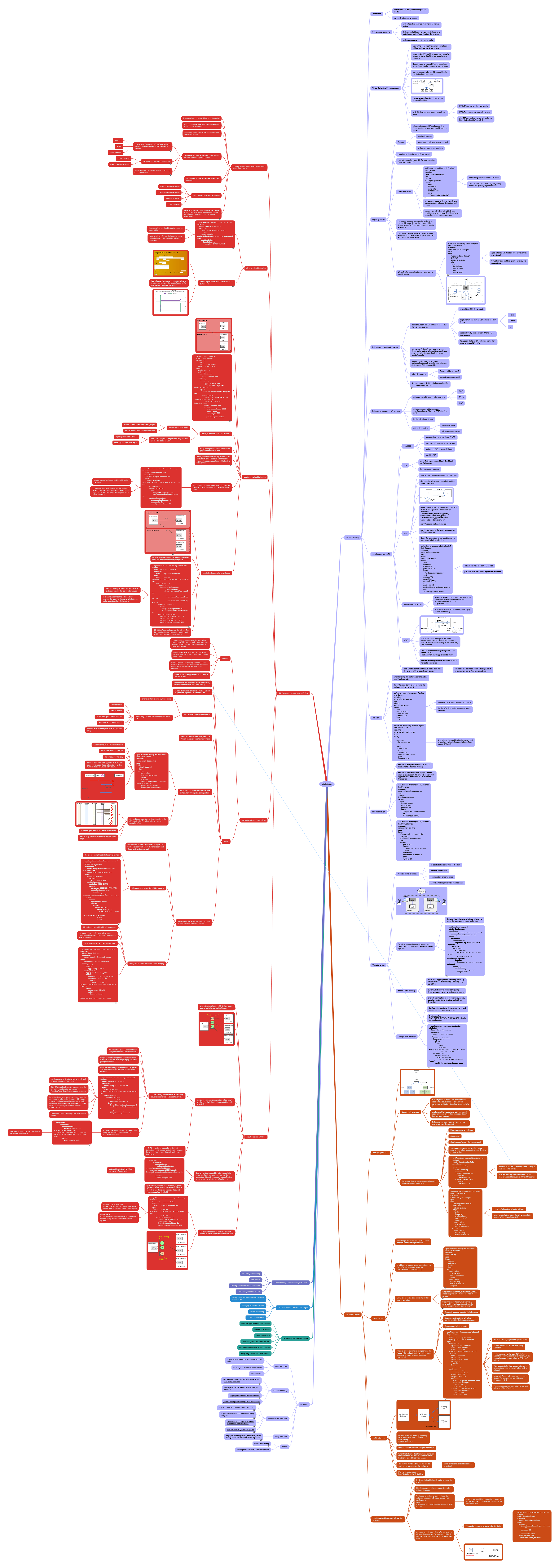
Christian Posta and Rinor Maloku’s book with Manning, Istio In Action has just been published. I’ve previously said it’s a good book, and that’s not surprising given Christian’s role at solo.io. When the final chapters became available I started to go through it in more detail and built a mind map (As with the recent review of Kubernetes best practices). The map can be seen below.

As you can see the map is very substantial reflecting on the depth and value of the book. For those who look at the maps, may notice there are a couple of chapters not fully mapped. I will update the map to fill those gaps in, but given they focus on monitoring and observability, I was less concerned about those areas given my own writing. The book’s exercises are very much built around using Docker Desktop making it very easy to spin up the examples and exercises. If you want to know about Istio Service Mesh on K8s then I’d recommend it.

Reading through the book, I’ve learned details that I was not entirely aware of, for example the integration of non K8s workloads into the mesh. The tuning of Istio to keep it highly performant with a lot of workloads.

The book can be obtained from:

  • Manning
  • Amazon

And other retailers of course.

Share this:

  • Click to share on Facebook (Opens in new window) Facebook
  • Click to share on X (Opens in new window) X
  • Click to share on Pocket (Opens in new window) Pocket
  • Click to share on Reddit (Opens in new window) Reddit
  • Click to email a link to a friend (Opens in new window) Email
  • Click to share on WhatsApp (Opens in new window) WhatsApp
  • Click to print (Opens in new window) Print
  • Click to share on Tumblr (Opens in new window) Tumblr
  • Click to share on Mastodon (Opens in new window) Mastodon
  • Click to share on Pinterest (Opens in new window) Pinterest
  • More
  • Click to share on Bluesky (Opens in new window) Bluesky
  • Click to share on LinkedIn (Opens in new window) LinkedIn
Like Loading...

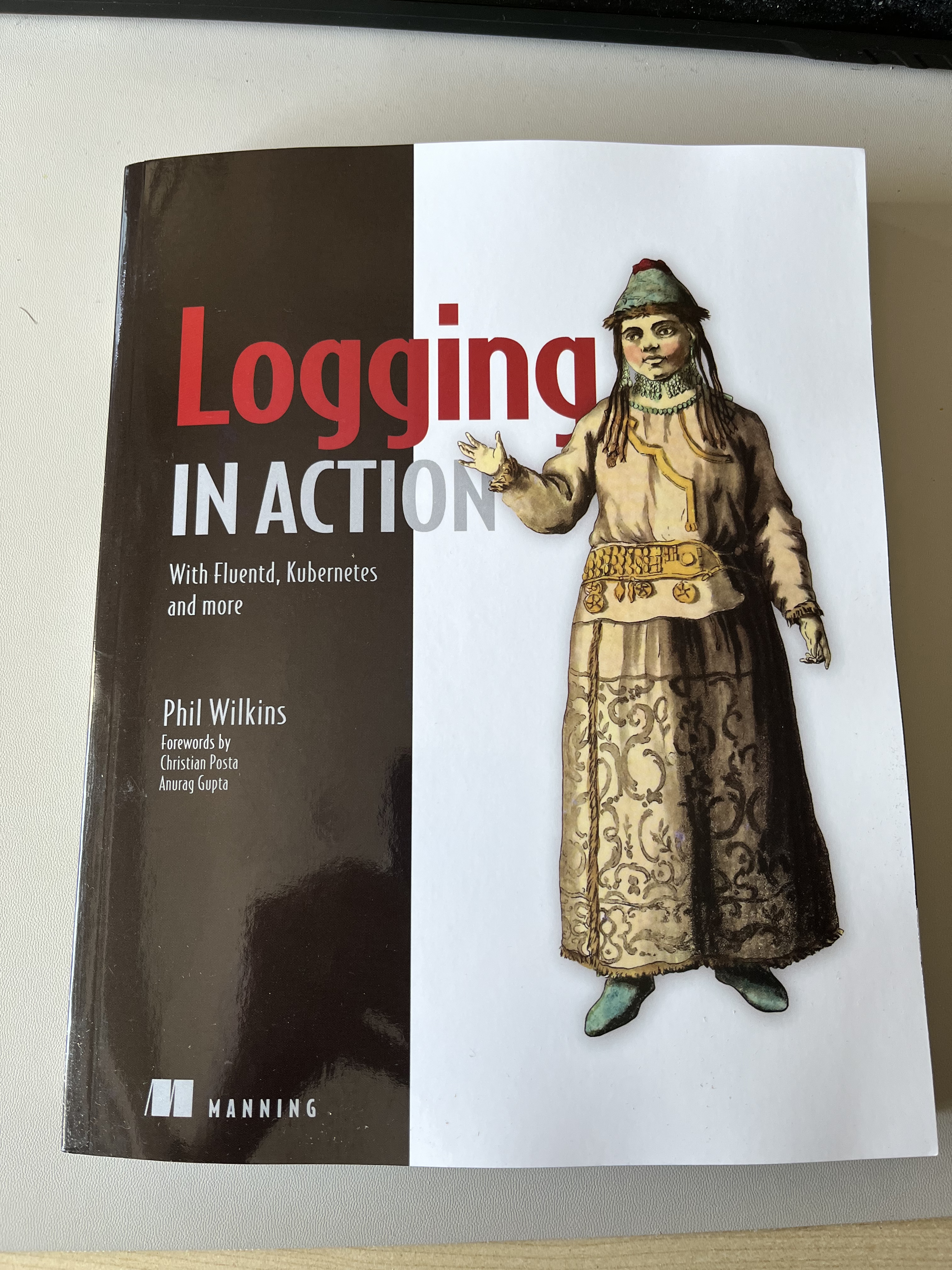
Logging in Action – has gone to the printers!

07 Monday Feb 2022

Posted by mp3monster in Books, Fluentd, General, manning, Technology

≈ 1 Comment

Tags

Amazon, Barnes & Noble, book, logging, Logging in Action, manning, print, Waterstones

The final leg of getting the book published has taken a lot longer than had been expected. But we’ve just been told that the book has been sent to the printers. This means:

  • final eBook will be available from Manning in about 1 week
  • Preordered print copies of the book will be dispatched in about 2 weeks
  • The alternative ebook formats for mobile readers e.g. kindle etc available in about 3 weeks
  • The book will become available to purchase from other book stores such as
    Amazon in 3-4 weeks
  • Safari Books Online and Apple stores will have the ebook in 4-5 weeks

Here are some links for buying the book …

  • Manning
  • Amazon UK – Amazon US – Amazon DE – Amazon Fr
  • Barnes & Noble, Waterstones
  • Safari Online Books

It also means the project from a writing perspective is complete. But we’re starting to look at the additional examples we’ll add to the GitHub repo. These will be dependent upon the book.

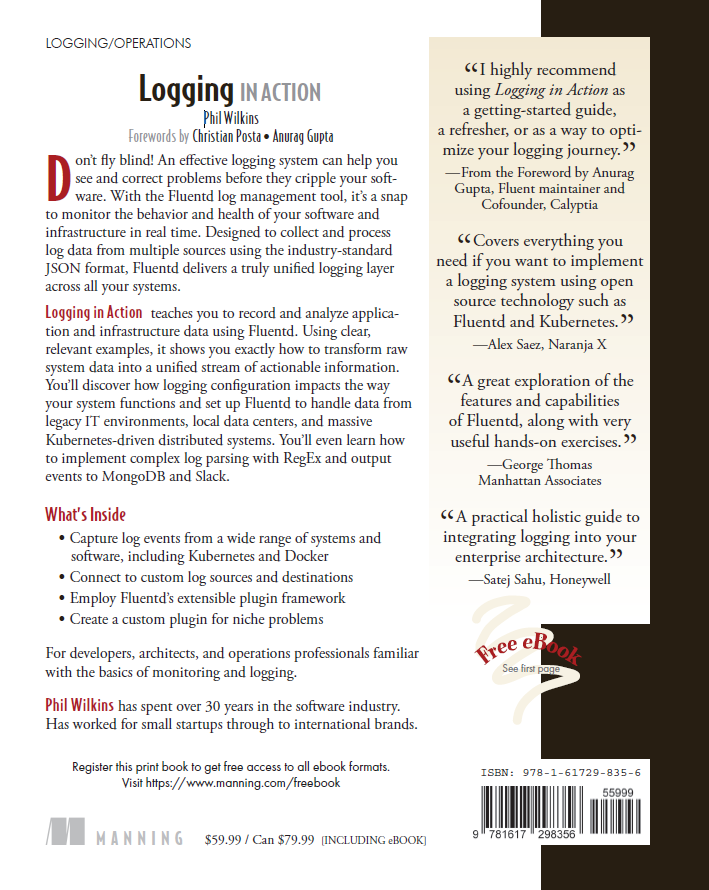
The complete cover artworks …

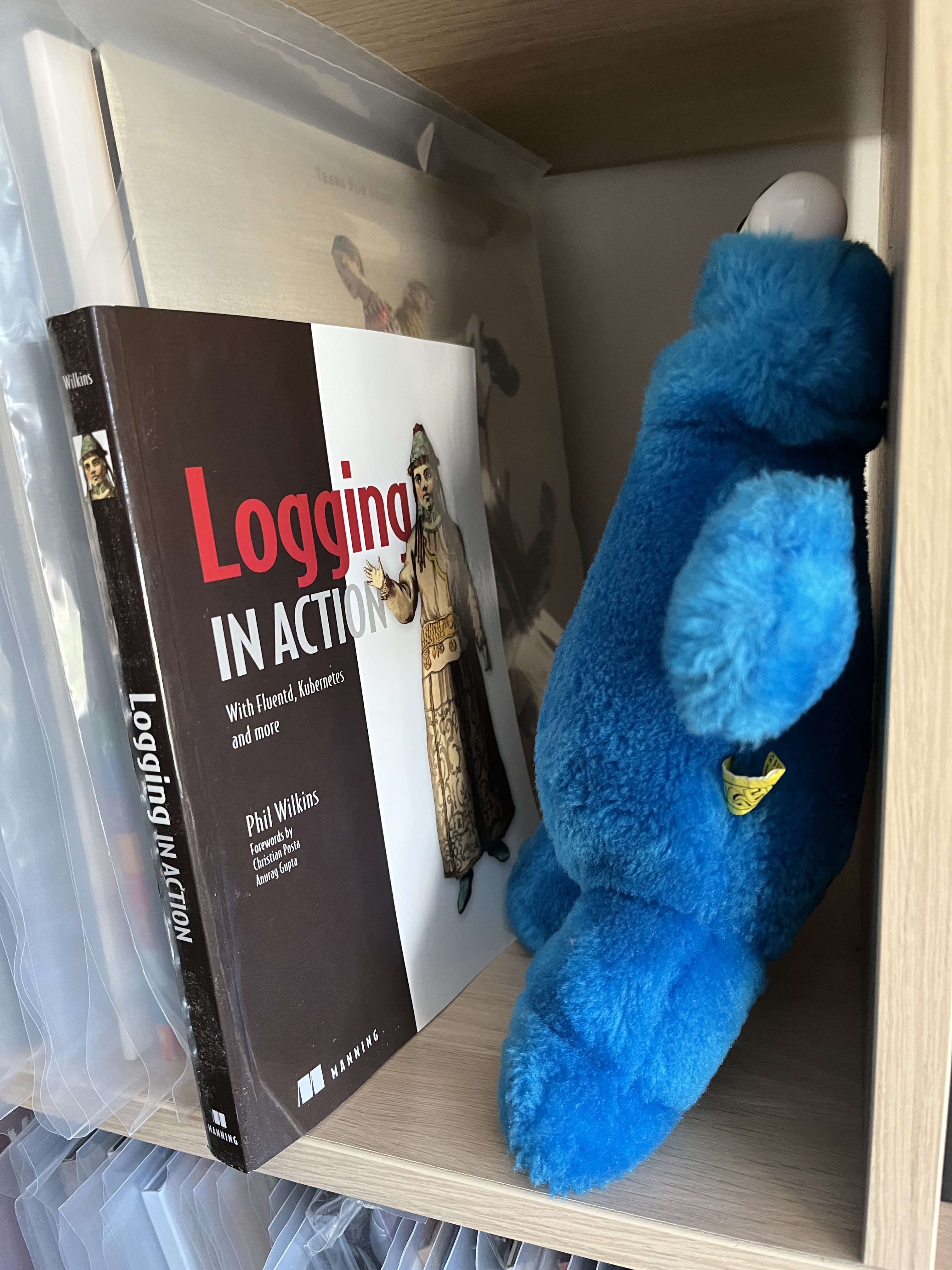
We’ve got print books now …

Share this:

  • Click to share on Facebook (Opens in new window) Facebook
  • Click to share on X (Opens in new window) X
  • Click to share on Pocket (Opens in new window) Pocket
  • Click to share on Reddit (Opens in new window) Reddit
  • Click to email a link to a friend (Opens in new window) Email
  • Click to share on WhatsApp (Opens in new window) WhatsApp
  • Click to print (Opens in new window) Print
  • Click to share on Tumblr (Opens in new window) Tumblr
  • Click to share on Mastodon (Opens in new window) Mastodon
  • Click to share on Pinterest (Opens in new window) Pinterest
  • More
  • Click to share on Bluesky (Opens in new window) Bluesky
  • Click to share on LinkedIn (Opens in new window) LinkedIn
Like Loading...
← Older posts
Newer posts →

    I work for Oracle, all opinions here are my own & do not necessarily reflect the views of Oracle

    • About
      • Internet Profile
      • Music Buying
      • Presenting Activities
    • Books & Publications
      • Logging in Action with Fluentd, Kubernetes and More
      • Logs and Telemetry using Fluent Bit
      • Oracle Integration
      • API & API Platform
        • API Useful Resources
        • Useful Reading Sources
    • Mindmaps Index
    • Monster On Music
      • Music Listening
      • Music Reading
    • Oracle Resources
    • Useful Tech Resources
      • Fluentd & Fluent Bit Additional stuff
        • Logging Frameworks and Fluent Bit and Fluentd connectivity
        • REGEX for BIC and IBAN processing
      • Java and Graal Useful Links
      • Official Sources for Product Logos
      • Python Setup & related tips
      • Recommended Tech Podcasts

    Oracle Ace Director Alumni

    TOGAF 9

    Logs and Telemetry using Fluent Bit


    Logging in Action — Fluentd

    Logging in Action with Fluentd


    Oracle Cloud Integration Book


    API Platform Book


    Oracle Dev Meetup London

    Blog Categories

    • App Ideas
    • Books
      • Book Reviews
      • manning
      • Oracle Press
      • Packt
    • Enterprise architecture
    • General
      • economy
      • ExternalWebPublications
      • LinkedIn
      • Website
    • Music
      • Music Resources
      • Music Reviews
    • Photography
    • Podcasts
    • Technology
      • AI
      • APIs & microservices
      • chatbots
      • Cloud
      • Cloud Native
      • Dev Meetup
      • development
        • languages
          • java
          • node.js
      • drone
      • Fluentbit
      • Fluentd
      • logsimulator
      • mindmap
      • OMESA
      • Oracle
        • API Platform CS
          • tools
        • Helidon
        • ITSO & OEAF
        • Java Cloud
        • NodeJS Cloud
        • OIC – ICS
        • Oracle Cloud Native
        • OUG
      • railroad diagrams
      • TOGAF
    • xxRetired
    • AI
    • API Platform CS
    • APIs & microservices
    • App Ideas
    • Book Reviews
    • Books
    • chatbots
    • Cloud
    • Cloud Native
    • Dev Meetup
    • development
    • drone
    • economy
    • Enterprise architecture
    • ExternalWebPublications
    • Fluentbit
    • Fluentd
    • General
    • Helidon
    • ITSO & OEAF
    • java
    • Java Cloud
    • languages
    • LinkedIn
    • logsimulator
    • manning
    • mindmap
    • Music
    • Music Resources
    • Music Reviews
    • node.js
    • NodeJS Cloud
    • OIC – ICS
    • OMESA
    • Oracle
    • Oracle Cloud Native
    • Oracle Press
    • OUG
    • Packt
    • Photography
    • Podcasts
    • railroad diagrams
    • Technology
    • TOGAF
    • tools
    • Website
    • xxRetired

    Enter your email address to subscribe to this blog and receive notifications of new posts by email.

    Join 2,555 other subscribers

    RSS

    RSS Feed RSS - Posts

    RSS Feed RSS - Comments

    January 2026
    M T W T F S S
     1234
    567891011
    12131415161718
    19202122232425
    262728293031  
    « Nov    

    Twitter

    Tweets by mp3monster

    History

    Speaker Recognition

    Open Source Summit Speaker

    Flickr Pics

    Gogo Penguin at the BarbicanGogo Penguin at the BarbicanGogo Penguin at the BarbicanGogo Penguin at the Barbican
    More Photos

    Social

    • View @mp3monster’s profile on Twitter
    • View philwilkins’s profile on LinkedIn
    • View mp3monster’s profile on GitHub
    • View mp3monster’s profile on Flickr
    • View mp3muncher’s profile on WordPress.org
    • View philmp3monster’s profile on Twitch
    Follow Phil (aka MP3Monster)'s Blog on WordPress.com

    Blog at WordPress.com.

    • Subscribe Subscribed
      • Phil (aka MP3Monster)'s Blog
      • Join 233 other subscribers
      • Already have a WordPress.com account? Log in now.
      • Phil (aka MP3Monster)'s Blog
      • Subscribe Subscribed
      • Sign up
      • Log in
      • Report this content
      • View site in Reader
      • Manage subscriptions
      • Collapse this bar
     

    Loading Comments...
     

    You must be logged in to post a comment.

      Privacy & Cookies: This site uses cookies. By continuing to use this website, you agree to their use.
      To find out more, including how to control cookies, see here: Our Cookie Policy
      %d